Dumbarton FC Administration: The Rise, Fall, and Road to Recovery of a Scottish Football Institution

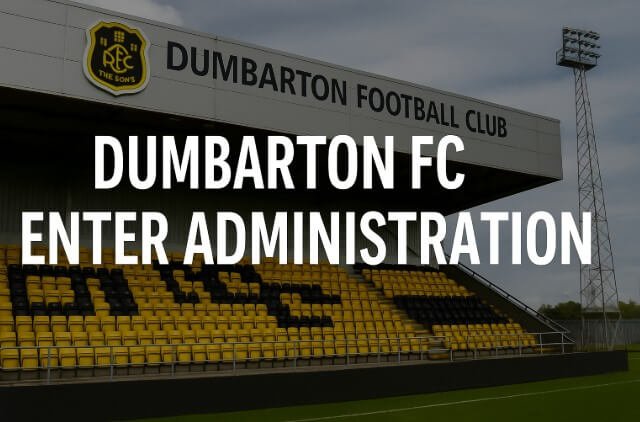
Few stories in Scottish football have captured the hearts of supporters and neutrals alike quite like the Dumbarton FC administration saga. Known affectionately as “The Sons of the Rock,” Dumbarton Football Club has stood as a proud emblem of community, history, and resilience for well over a century. Yet in recent years, financial mismanagement, ownership disputes, and failed investments pushed this historic club to the brink of collapse.
The administration process, which began in late 2024, sent shockwaves through the lower leagues of Scottish football. For a club that had once been among the early champions of the Scottish game, the thought of liquidation or extinction was a chilling prospect. What followed was a tumultuous period filled with uncertainty, investigations, and ultimately, an unlikely rescue that has begun to restore hope to the fans.
The Historical Significance of Dumbarton FC
Dumbarton FC was founded in 1872, making it one of the oldest football clubs in Scotland. The club’s early years were glorious; Dumbarton shared the inaugural Scottish Football League title in 1891 and won it outright in 1892. For decades, the Sons of the Rock were respected as pioneers of the Scottish game, producing talent and contributing richly to the national football identity.
Over time, however, the landscape of football changed dramatically. The influx of television money, sponsorship deals, and global audiences widened the financial gap between small-town clubs like Dumbarton and the powerhouses of the Scottish Premiership. Maintaining competitiveness became harder, and clubs like Dumbarton began relying on external investors and property developments to sustain operations. This reliance, as history would prove, was the root of their downfall.
The Events Leading to Administration
The seeds of the Dumbarton FC administration crisis were sown long before the official announcement. Financial troubles had been rumbling beneath the surface for several seasons. The club’s ownership structure, involving the investment group Cognitive Capital, was intended to bring stability and funding. However, this arrangement eventually became the centre of controversy.
Cognitive Capital had entered into a deal to purchase land linked to the club for redevelopment purposes. The expected payments, totalling nearly £1.85 million, were never fully realised. As a result, Dumbarton found itself cash-strapped, unable to meet day-to-day obligations such as staff wages and matchday expenses.
By late 2024, the directors had no choice but to appoint administrators. The professional services firm Quantuma was brought in, with Ian Wright and Craig Morrison acting as joint administrators. Their task was to assess the club’s financial health, secure funding where possible, and explore routes to save Dumbarton from liquidation.
The SPFL Penalty and Its Impact
As per the rules of the Scottish Professional Football League, any club entering administration automatically faces a points deduction. Dumbarton FC was docked 15 points, a blow that left them struggling at the bottom of the Scottish League One table. For players and fans, the punishment felt like salt on an open wound.
Nevertheless, the league’s stance was clear — clubs must operate sustainably. The penalty served as both a consequence and a warning to others. For Dumbarton, however, it meant a near-impossible battle for survival on the pitch, even as the administrators worked tirelessly off it to keep the club afloat.
The Role of Quantuma and the Fight for Survival
When Quantuma took over, their priority was to ensure that the club could continue playing fixtures. The administrators worked closely with the SPFL, creditors, and the local council to avoid the club folding mid-season. Fundraising efforts by fans and local businesses provided much-needed temporary relief.
Supporters rallied together through the Dumbarton FC Supporters’ Trust, organising community events, raffles, and crowdfunding campaigns. It was a testament to the loyalty of the fanbase — many of whom had followed the club through generations.
Behind the scenes, Quantuma was searching for a buyer. Several groups expressed interest, but not all were financially credible or aligned with the club’s long-term future. The administrators made it clear that their goal was to preserve Dumbarton FC as a functioning football entity, not simply to offload assets for short-term gain.
The Pendragon Takeover: A False Dawn
In April 2025, the first major breakthrough appeared. The Pendragon Group, led by businessman Gareth Phillips, agreed to take over Dumbarton FC. The deal promised to clear the club’s debts and set a foundation for financial stability.
Unfortunately, just days before completion, the deal collapsed. Reports suggested that Gareth Phillips withdrew due to health issues, leaving the administrators and fans devastated. The uncertainty returned with full force, and many feared that the club would not make it through the summer.
This failed takeover highlighted a recurring issue in Scottish football — the dependence on single investors without robust governance or oversight. Once again, Dumbarton’s fate hung in the balance.
The Canadian Lifeline: Mario Lapointe Steps In
Hope was rekindled when Canadian entrepreneur Mario Lapointe entered negotiations in May 2025. Unlike previous suitors, Lapointe demonstrated both the financial capacity and genuine commitment to the club’s community.
In June 2025, the administrators finalised a deal with Lapointe, transferring Dumbarton FC to a new company structure. The original legal entity entered liquidation, but the club itself was preserved. Under Lapointe’s ownership, Dumbarton was given a fresh start.
The new owner pledged to modernise the club’s infrastructure, invest in youth development, and improve the stadium experience. More importantly, he emphasised transparency and long-term sustainability — values that had been missing for far too long.
The Human Side of Administration
While financial details dominated headlines, the real story of Dumbarton FC administration was one of people — the players, staff, and supporters who refused to let their club die.
Players continued to show professionalism despite uncertainty over wages. Coaching staff juggled football duties with fundraising activities. Supporters, many of whom had grown up attending matches at the Rock Stadium, stood side by side in solidarity.
For the local community, Dumbarton FC is more than a football team. It represents identity, pride, and belonging. The administration period reminded everyone that football clubs, especially smaller ones, are social institutions — not just businesses.
The Aftermath: Lessons and Rebuilding
Following the completion of the takeover, Dumbarton FC entered the 2025–26 season with a renewed sense of purpose, albeit in Scottish League Two. The 15-point deduction from administration still loomed, but the atmosphere was one of cautious optimism.
The new management prioritised financial restructuring, community engagement, and strategic planning. Plans were announced to revamp youth academies, expand sponsorship opportunities, and attract new fans to home games. The club also began exploring partnerships with local schools and grassroots football organisations to strengthen its regional presence.
The journey back to the upper leagues will not be easy. Yet the survival of Dumbarton FC itself is an achievement worthy of celebration.
Broader Implications for Scottish Football
The Dumbarton FC case is a stark reminder of the fragility of lower-league football in Scotland. Many clubs operate on razor-thin margins, relying on part-time players, limited gate receipts, and unpredictable sponsorships.
The Scottish Football Association and SPFL may need to revisit financial oversight frameworks to ensure greater accountability among club owners. Introducing more rigorous fit-and-proper-person tests, transparency in ownership, and sustainable budgeting could prevent similar crises in the future.
At the same time, supporters’ trusts are becoming increasingly vital. Fan-led models, such as those seen at Hearts and Motherwell, demonstrate that community ownership can offer stability without sacrificing ambition. Dumbarton’s supporters, having played a crucial role in the survival effort, may find themselves with a more significant voice in the club’s governance going forward.
The Spirit of the Sons of the Rock
If there is one thing the Dumbarton FC administration period proved, it is that passion cannot be bought or sold. Despite financial ruin, points deductions, and managerial upheaval, the spirit of the Sons of the Rock remained unbroken.
The story of Dumbarton FC is no longer just about what went wrong — it is about what survived. The fans’ unwavering support turned potential tragedy into a story of hope and revival. The new ownership era offers a chance to rebuild not only the club’s finances but also its reputation as a proud representative of Scottish football heritage.
Conclusion
The Dumbarton FC administration saga stands as a defining moment in Scottish football history — a cautionary tale of financial recklessness and a testament to human resilience. What began as a story of despair evolved into one of determination and unity.
As Dumbarton FC charts its course toward recovery, the lessons learned must guide its future decisions. With transparent management, community involvement, and responsible governance, the club has every opportunity to restore its legacy.