Nestled within the heart of Somerset’s Quantock Hills, Lydeard Hill is one of England’s most captivating and unspoilt natural landscapes. This tranquil hilltop destination, rich in history and wildlife, captures the essence of rural Britain at its finest. From panoramic countryside views to ancient Bronze Age barrows, Lydeard Hill stands as a timeless reminder of the beauty and resilience of the English countryside. Its open grasslands, diverse wildlife, and archaeological treasures make it an irresistible spot for walkers, nature enthusiasts, and history lovers alike.
Visiting Lydeard Hill feels like stepping into a living painting, where every path, bird call, and gust of wind tells a story. It’s a place where nature and history converge, allowing visitors to escape modern chaos and connect with the quiet rhythms of the land.
The Location and Setting
Lydeard Hill is situated on the southern edge of the Quantock Hills, a designated Area of Outstanding Natural Beauty in Somerset. The region is known for its rolling landscapes, heathland plateaus, deep wooded combes, and spectacular views stretching towards the Bristol Channel and the Blackdown Hills.
The hill itself rises proudly above the surrounding countryside, offering an unrivalled vantage point for appreciating the vastness and tranquillity of the Quantocks. Whether one arrives by car or foot, the first glimpse of Lydeard Hill instantly instils a sense of peace and admiration. The car park located near the hill’s base provides easy access to a network of walking routes that wind through its grassy slopes and open heathland.
What sets this area apart is its accessibility without sacrificing its natural charm. Despite being a favourite among locals and tourists, Lydeard Hill has managed to maintain its serene and unspoilt atmosphere — an increasingly rare quality in the modern world.
A Landscape of Natural Richness
The terrain of Lydeard Hill is a fascinating blend of heathland and species-rich grassland. During the spring and summer months, the landscape bursts into colour with vibrant wildflowers, creating a haven for insects and pollinators. The air is filled with the soft hum of bees and the distant melodies of skylarks and meadow pipits.
Birdwatchers often describe Lydeard Hill as a paradise for spotting characteristic heathland species such as stonechats, whitethroats, and yellowhammers. On quieter mornings, the haunting call of a cuckoo may echo across the hills. In autumn and winter, the mood of the hill changes entirely — the bracken turns bronze, the air grows crisp, and the distant hills appear in muted tones of grey and gold, offering a completely different kind of beauty.
The surrounding woodland areas provide essential shelter for smaller birds, butterflies, and mammals. The mix of open grassland and wooded fringes ensures an ecological balance that supports a wide range of flora and fauna. This natural diversity is one of the reasons the Quantock Hills, including Lydeard Hill, hold such importance for conservation efforts.
Historical and Archaeological Significance
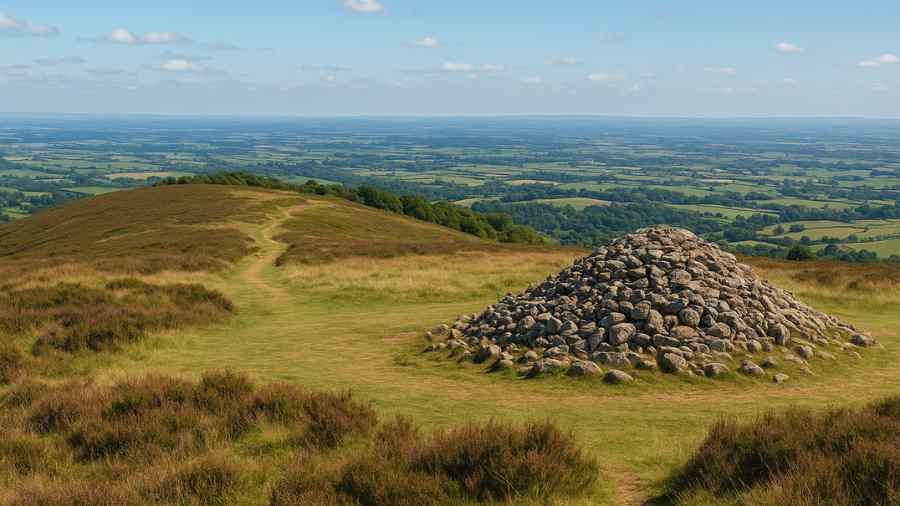
Beyond its natural beauty, Lydeard Hill is a landscape steeped in ancient history. Archaeological evidence reveals that the hill has been occupied and shaped by humans for thousands of years. Scattered across its crest are several Bronze Age barrows and cairns, believed to be burial mounds dating back more than 3,000 years.
These ancient earthworks stand as silent witnesses to the people who once called this land home. The round barrows, usually found on elevated ground, were likely used for ceremonial or burial purposes, reflecting the spiritual connection early communities had with the landscape. While many of these sites are now softened by grass and time, their presence adds a layer of mystery and reverence to the area.
Walking along the ridge of Lydeard Hill, one can almost feel the echoes of the past beneath their feet — a humbling reminder that this land has seen countless generations before us. The alignment of the barrows also suggests that these ancient builders carefully chose this site for its views and symbolic importance within the wider landscape.
Walking and Exploration
Lydeard Hill is a walker’s dream. Its open pathways, gentle gradients, and interconnected trails make it suitable for both casual visitors and seasoned hikers. A popular circular walk begins from the car park, looping around the hill’s summit and offering panoramic views across the Vale of Taunton. The 2.2-mile route is ideal for those seeking a relaxed yet scenic outing, with plenty of opportunities to stop, rest, and absorb the scenery.
For those craving a more adventurous trek, Lydeard Hill can also serve as a starting point for longer routes that link up with other peaks such as Wills Neck, the highest point in the Quantock Hills. This extended walk, approximately five miles in total, provides a full appreciation of the region’s topography — from heather-covered slopes to open ridgelines and lush valleys below.
Every step on these trails offers a shifting perspective of the Somerset countryside. On clear days, the view stretches westward towards Exmoor and eastward to the Mendip Hills. The sight of grazing ponies and distant farmhouses adds a distinctly English charm to the experience.
Wildlife Encounters
The tranquillity of Lydeard Hill makes it an ideal refuge for wildlife. Along the trails, one might encounter rabbits darting through the grass, butterflies flitting over heather, or kestrels hovering in the air. The open landscape provides nesting grounds for several bird species, while the adjoining woodlands create a haven for badgers, foxes, and deer.
During dusk, the hill comes alive with the soft flutter of bats, and occasionally, the distant hoot of a tawny owl breaks the silence. Nature photographers often find this area rewarding for capturing both dramatic landscapes and intimate wildlife moments.
Conservationists have long recognised the ecological value of Lydeard Hill and have worked to manage the area responsibly. Controlled grazing and seasonal maintenance help preserve the delicate balance of the grassland ecosystem while ensuring visitors can continue to enjoy its beauty without harming its biodiversity.
The Views and Atmosphere
One of Lydeard Hill’s most remarkable qualities is its 360-degree panoramic view. Standing on its summit, visitors can gaze across miles of rolling countryside, with layers of hills and valleys stretching into the horizon. To the north lies the Bristol Channel, while to the south, the Blackdown Hills form a distant silhouette.
The changing light throughout the day transforms the hill’s appearance. Mornings are often bathed in soft mist, afternoons bring sharp contrasts of shadow and sunlight, and evenings glow with golden hues as the sun dips behind the horizon. Each moment offers a new perspective, making every visit unique.
The silence at the top of Lydeard Hill is profound — broken only by the whisper of the wind or the rustle of grass. It’s this stillness that makes the place so spiritually grounding. Many visitors describe it as the perfect escape for mindfulness, reflection, or simply appreciating the grandeur of nature.
Practical Information for Visitors
Lydeard Hill is easy to reach, with a small car park and clear signage guiding visitors to the walking paths. The terrain can be uneven, so comfortable walking shoes or boots are recommended. In wet weather, the paths can become muddy, but the views remain rewarding all year round.
There are no shops or cafés directly on the hill, but the nearby villages offer charming tea rooms and country pubs where travellers can rest after a long walk. Facilities such as toilets and refreshments can be found a few miles away at Fyne Court, a popular visitor centre in the Quantock Hills.
When exploring, visitors are encouraged to respect the natural and historical heritage of the area — stay on marked paths, avoid disturbing wildlife, and treat ancient barrows with care. This mindful approach ensures that Lydeard Hill remains preserved for future generations to appreciate.
Why Lydeard Hill Deserves Recognition
What makes Lydeard Hill truly special is its ability to combine beauty, history, and peace in one setting. Unlike more commercialised tourist spots, it retains a sense of authenticity — a place where time slows and nature takes centre stage. It appeals equally to hikers seeking physical challenge, families looking for a day out, and historians drawn by its ancient past.
Its accessibility makes it an ideal destination for all ages, while its vast open skies and rich biodiversity make it a paradise for photographers and artists. The balance of wild nature and preserved heritage creates a harmony that is both inspiring and humbling.
As more people seek outdoor experiences that connect them to history and the environment, Lydeard Hill stands out as a destination that quietly offers both. It reminds us that some of the greatest treasures are found not in crowded cities but in the quiet folds of the English countryside.
Conclusion
Lydeard Hill is more than just a hill — it is a symbol of natural elegance, cultural depth, and enduring tranquillity. From its ancient barrows to its sweeping views and flourishing wildlife, every element of this landscape tells a story worth hearing. Visiting Lydeard Hill is not merely a walk; it is an experience of connection — with nature, history, and one’s inner self.
For those yearning for serenity, inspiration, and a touch of timeless beauty, Lydeard Hill offers all three in abundance. Whether you visit for a brief stroll or a day-long exploration, it promises to leave a lasting impression — a true jewel of Somerset’s countryside that continues to enchant every soul who stands upon its heights.