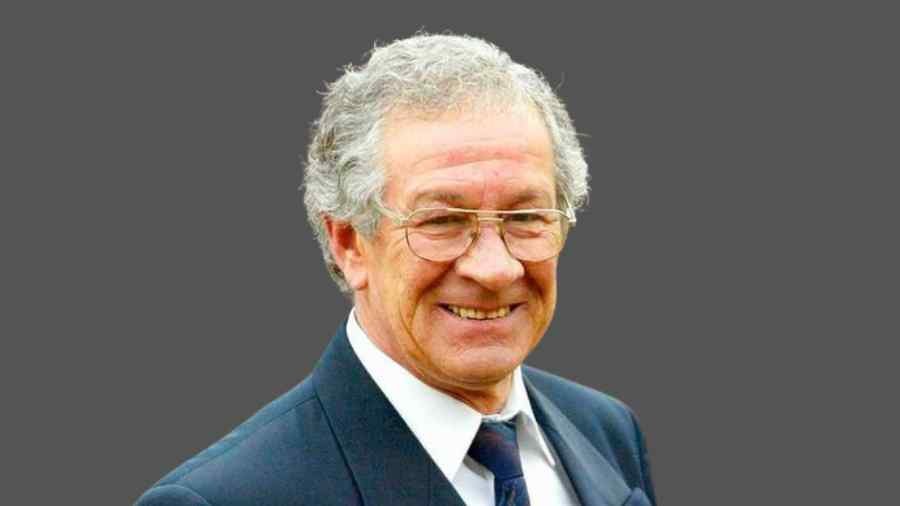
In the long story of football, there are names that flash brightly for a moment and names that continue to echo far beyond their time. danny bergara belongs to the second type. His journey did not follow the usual path of a football manager in England. He crossed oceans, changed languages, adapted to cultures, and brought with him a footballing vision that would reshape how English clubs viewed foreign managers. His career is one of struggle, passion, intelligence, and deep emotional connection with supporters. More importantly, his life shows how one man can influence an entire football culture simply through belief and commitment.
Born Daniel Alberto Bergara de Medina in Montevideo, Uruguay, he began life in a place where football is not just a sport but a heartbeat. His early love for the game carried him from the working-class pitches of Uruguay to the professional stadiums of Spain, and later to the coaching benches of England. At each step, he learned, adapted, and evolved. But it was in England, particularly with Stockport County, that danny bergara made history and secured his legacy.
Early Life in Uruguay
Growing up in Montevideo, danny bergara was surrounded by football from childhood. Uruguay is known for producing tough, intelligent, and deeply passionate footballers, and Bergara was no exception. Football for him was not a hobby; it was a future. From street matches to organised youth clubs, he quickly stood out for his awareness, technique, and hunger to prove himself.
By his teenage years, he was already training with Racing Club de Montevideo, demonstrating his talent as a forward. His style was intelligent rather than flashy. He was not the fastest player, but he understood movement, timing, and finishing. These qualities would later influence his coaching philosophy.
Professional Playing Career in Spain
At only twenty years old, danny bergara made a career-defining move to Spain, a bold step for a young South American footballer in the early 1960s. He joined RCD Mallorca, where he quickly adapted to European football. His intelligence on the pitch made him a valuable player, and his commitment earned admiration from fans and teammates.
From Mallorca, he earned a move to Sevilla FC, one of Spain’s historic clubs. His time at Sevilla marked the peak of his playing career. He became known for his technical discipline, finishing ability, and understanding of attacking play. Later, he played for CD Tenerife, where a leg injury unfortunately forced him to step back from professional football.
Though his playing years ended earlier than he expected, they provided him with something more valuable: knowledge of football at the highest level. And that knowledge would soon be used from the touchline.
From Player to Coach: The Move to England
The next chapter of danny bergara’s life began when he moved to England with his wife, who was British. At first, he struggled, facing language barriers and cultural differences. But his understanding of football had depth, and he slowly found roles in youth and reserve coaching. He worked with several clubs, including Luton Town and Sheffield United, developing young players with care, discipline, and tactical awareness.
What made Bergara different was his approach. At a time when English football was largely physical, direct, and rigid in tactics, Bergara emphasised technique, movement, and intelligence. He trained players to think, not just run and tackle. He believed football required the brain as much as the feet.
This mindset was rare in England during the 1970s and 80s. And though his views were not always accepted immediately, they prepared him for the historic opportunity that came next.
Stockport County: The Rise of a Legend
In 1989, danny bergara became manager of Stockport County. At the time, the club was struggling near the bottom divisions. They did not have the biggest budget, most skilled squad, or most powerful facilities. But Bergara saw potential where others saw limitations.
He introduced a new style of play built on discipline, quick passing, and belief in the team’s identity. He did not simply coach skills; he built confidence. Under his management, Stockport County began to rise. Promotion battles, competitive league performances, and most famously, multiple trips to Wembley followed. The club, which had rarely experienced such excitement, suddenly had pride and energy around it.
Supporters connected to Bergara not only because of the results, but because of his heart. He celebrated victories with emotion and protected his players fiercely. He respected the club, and the fans respected him.
First Foreign Manager to Lead a Team Out at Wembley
One of the most historic moments of danny bergara’s career was becoming the first foreign-born manager to lead a team out at Wembley Stadium in a major English competition. This was not a small achievement. For decades, English clubs believed only British managers understood their football. Bergara proved otherwise. His success opened the door for future foreign managers who later shaped English football, such as Arsène Wenger, Rafael Benítez, José Mourinho, and Pep Guardiola.
In this way, Bergara was not simply a manager. He was a pioneer.
Personality, Philosophy, and Leadership
What truly set danny bergara apart was his personality. He was kind, passionate, and deeply connected to the emotional side of football. His players remember him as someone who believed in them more than they believed in themselves. His training methods focused on creativity and awareness rather than fear or pressure.
He taught his teams to enjoy the game, learn from mistakes, and trust each other. His leadership was not based on authority; it was based on respect.
Later Years and Legacy
After leaving Stockport, Bergara continued working in football, but his connection to the club never faded. His influence remained strong in the hearts of the supporters. Many years later, Stockport County renamed the Main Stand at Edgeley Park as the Danny Bergara Stand. It was a gesture of honour and gratitude that showed how deeply the club valued him.
Even long after his passing in 2007, supporters still speak of him with warmth, admiration, and love. His legacy is not measured only in trophies or statistics but in cultural change. He helped English football accept foreign managers, new ideas, and different ways of thinking. That impact continues today.
Conclusion
danny bergara was not just a football manager; he was a builder of belief. He crossed continents to follow his passion, and along the way, he changed the direction of English football. He showed that talent can come from anywhere, that courage can change old systems, and that love for the game can unite people across borders. His story is an example of resilience, intelligence, and heart. And as long as Stockport County supporters sing his name and football remembers those who changed it, Danny Bergara’s legacy will never fade.