Willersley Castle: A Timeless Landmark of Heritage, Nature, and Architectural Grandeur

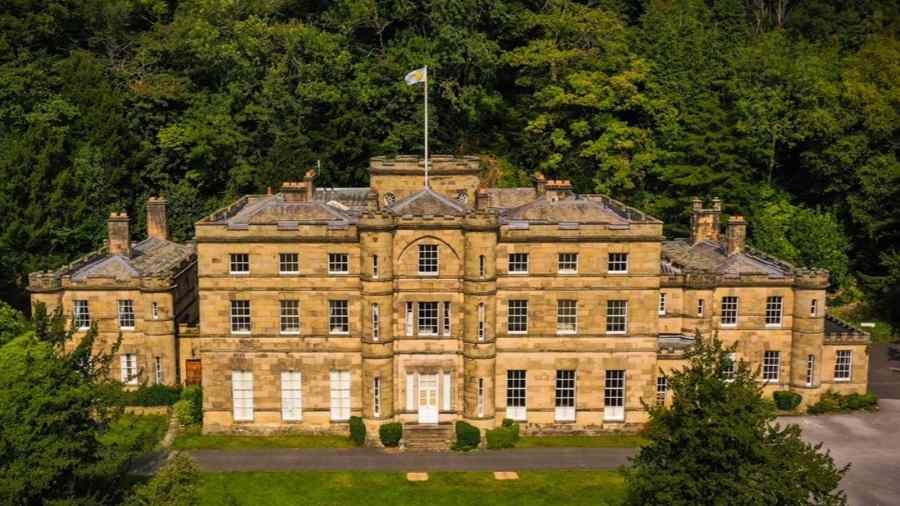
Willersley Castle is a name that echoes through the lush valleys of Derbyshire, stirring imagery of riverside tranquillity, aristocratic history, and the golden age of British industrial ambition. Overlooking the winding River Derwent and surrounded by tree-clad hills, this grand estate stands as a testament to both innovation and elegance. With its castellated features, sweeping lawns, and centuries of storied ownership, Willersley Castle invites not only admiration but deeper curiosity. The castle is more than stone and landscape; it is a reflection of the dreams of an era that shaped Britain’s identity and industry.
The Origins and Vision Behind Willersley Castle
The birth of Willersley Castle traces back to the late eighteenth century, a time of remarkable innovation and social change. The estate was commissioned by Sir Richard Arkwright, a key pioneer of the Industrial Revolution. Arkwright was not merely a businessman; he was a visionary whose work in textile machinery dramatically transformed manufacturing. His ambition extended beyond the mill floors and into the world of country house architecture.
Having achieved success and status, Arkwright sought a home that reflected his rise. He chose a breathtaking location near Cromford, where his cotton mills stood as emblems of industry and progress. The land overlooked the River Derwent, offering a natural viewpoint of both power and peace. He imagined a home that would not only provide comfort but also speak of lasting legacy.
However, tragedy struck during the early construction stages. A fire swept through the partially completed structure, delaying its completion. Sadly, Richard Arkwright passed away before he could live in the castle. The work was continued by his son, who ensured the family vision endured.
Architectural Style and Design
Willersley Castle does not resemble the medieval fortresses from which castles traditionally draw their identity. Instead, it embodies a more refined and romantic interpretation of the castle form, aligning itself with Georgian architectural principles.
The exterior features battlements, turrets, and a dignified symmetrical façade, combining elegance with a commanding presence. Rather than raw defensive strength, the design reflects taste and cultural aspiration. It suggests stability, protection, and heritage, but also comfort and openness.
Inside, the rooms traditionally featured high ceilings, balanced proportions, and large windows designed to capture daylight in graceful measure. The castle’s strategic positioning allowed light to sweep across living spaces and offer panoramic views of the valley below. The surrounding grounds were carefully curated to extend the feeling of harmony between the natural environment and the home.
The Landscape and Setting
One of the most enchanting qualities of Willersley Castle is the estate’s landscape. The castle stands above the River Derwent, a serene yet powerful waterway that played a crucial role in powering Arkwright’s early textile mills. The river valley is lush and layered with woodland, footpaths, and sweeping views.
The castle’s grounds were shaped to appear natural while still bearing the gentle touch of aesthetic landscaping. Rolling lawns, clusters of oaks, and pathways offer an atmosphere of parkland grace. The effect is one of calm harmony: the castle does not dominate the land, nor is it swallowed by it. Instead, it sits like a quiet overseer, anchored in time.
The setting also forms part of a broader heritage area known for its association with the Industrial Revolution. In this way, Willersley Castle is not merely a country house; it is a landmark within one of the historically significant landscapes in Britain’s cultural memory.
Changing Roles Through the Generations
Over time, Willersley Castle has undergone several transitions in purpose. Initially a private residence for the Arkwright family, it reflected their rising social presence and commitment to living in a home that carried their legacy forward.
However, the First World War reshaped many country houses across Britain, and Willersley Castle was no exception. During this period, it served as a hospital, providing recovery space for those returning from the horrors of war. Its quiet setting, open air, and distance from harsh industrial noise made it a calming environment for healing.
In later decades, the castle shifted once again, becoming a venue for retreats, holidays, and gatherings. It evolved into a place where individuals could step back from daily life and find rest in surroundings that feel touched by history. This adaptability is one of the reasons the castle remains relevant today.
Cultural and Historical Significance
Willersley Castle is linked to a wider story beyond its walls. The Arkwright legacy is deeply tied to Britain’s transformation from rural to industrial society. The mills, innovations, and progressive thinking that arose in the Derwent Valley set the stage for economic and social changes across the world.
Therefore, the castle stands not only as a home but as a symbol of a turning point in human progress. It represents aspiration, ingenuity, and the belief that ideas can reshape the direction of history.
The estate is also valued for its architectural merit, blending Georgian symmetry with romantic medieval revival influences. Because of this, it holds a protected heritage status, recognising its importance as a structure of national interest.
The Emotional and Aesthetic Appeal
To stand in front of Willersley Castle is to feel the quiet echo of centuries. The building is not grand in an overwhelming way; instead, it feels composed, thoughtful, and respectful of its environment. The river moves steadily below, the trees rustle above, and the castle rests between them like a pause in the landscape.
Visitors often describe feelings of grounding, calm, and reflection. The castle has a presence that invites thought rather than spectacle. It encourages one to slow down and look more deeply at the world.
This emotional resonance is part of why Willersley Castle continues to be remembered and admired. It does not shout its significance; it simply exists with grace.
A Living Legacy
Today, Willersley Castle continues to stand strong. Its purpose has changed, as all old structures must adapt to new eras, but its spirit remains. It still offers space for exploration, learning, and appreciation.
The castle serves as a reminder of the connection between human creativity and nature, between ambition and grounding, between past achievements and future hopes. It is a place where history can be felt rather than merely studied.
Conclusion
Willersley Castle is more than a historic building in Derbyshire; it is a story carved into stone, shaped by vision, perseverance, and harmony with its surroundings. From the ambitions of Sir Richard Arkwright to its role in community healing and hospitality, the castle has stood as a witness to changing centuries.
Its architecture blends artistic expression with structural dignity, its landscape provides a sanctuary of peace, and its legacy ties directly to one of the most transformative periods in British history.