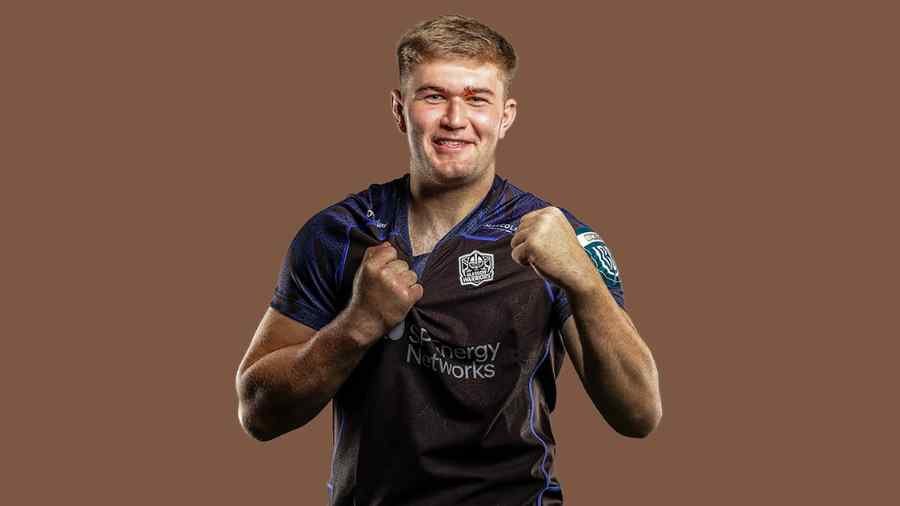
In the world of Scottish rugby, new talent continues to emerge and reshape the future of the sport. Among these rising stars is Euan Ferrie, a young forward whose dedication, physical presence, and evolving skill set have earned him attention within professional rugby circles. Known for his ability to play across the second row and the back row, Ferrie’s journey from grassroots rugby to the professional stage reflects perseverance, discipline, and a genuine passion for the sport.
Early Life and Background
Euan Ferrie was born in East Kilbride, Scotland, a region with strong community ties and a growing rugby culture. From a young age, he showed enthusiasm for sports, particularly those requiring teamwork and strategy. His introduction to rugby began in local youth-level clubs, where children often explore various sports before discovering their preferred field. As Ferrie continued to develop physically and mentally, rugby emerged as his sport of choice. Standing tall even as a teenager, he had the early frame suited for forward play, yet he also possessed notable agility, an attribute that later contributed to his versatility.
His schooling years helped shape both his personal character and athletic discipline. Being involved in school-level rugby fostered not just technical understanding of the sport but also important values such as leadership, cooperation, and resilience. Coaches and mentors recognised his potential early on, noting that his work ethic and willingness to learn set him apart from many of his peers. It was this commitment that laid the foundation for his transition to more structured training environments.
Progression into Competitive Rugby
As Ferrie matured, he advanced to club-level rugby where competition became more intense and structured. Participating in regional and national youth sides helped him develop confidence in high-pressure situations. Around this stage, his physical presence became more pronounced. Tall, strong, and increasingly skilled, he began to take on more specialised roles in the forward pack.
His introduction to the Scottish Rugby Academy marked a turning point in his career trajectory. The academy setting provided access to professional-level coaching, strength and conditioning programmes, and tactical education. This environment tested young players not only physically but also mentally, as they were required to balance training demands with personal development and lifestyle discipline. Ferrie adapted well, embracing the routine and demonstrating steady improvement season after season.
Professional Breakthrough
Euan Ferrie’s progression into professional rugby eventually led him to Glasgow Warriors, one of Scotland’s major professional rugby clubs. Joining a professional squad meant training alongside experienced players, some of whom had represented Scotland at the international level. This environment sharpened his understanding of competitive expectations, game strategy, and the importance of consistency.
Making his debut in professional matches was a significant milestone. Each appearance brought new lessons, whether in handling the physicality of opposing packs, reading attacking patterns, or contributing effectively to defensive structure. His performance earned respect not only for his athletic capabilities but also for his temperament on the field. Ferrie does not merely rely on size; his decision-making and timing reflect a developing rugby intellect.
Playing Style and Attributes
Ferrie’s ability to play both as a lock and a flanker is one of his strongest assets. This versatility allows coaches greater flexibility when structuring the forward pack. In the second row, Ferrie provides height and strength for line-outs, scrummaging, and ruck support. As a flanker, he demonstrates mobility, tackling reliability, and an ability to compete at the breakdown.
Physically, he is an imposing player. His height gives him an advantage in aerial contests, while his speed enables him to track play across the field. He is not merely a force of strength; he takes calculated approaches to contact situations, assessing when to carry forward and when to distribute. His tackling technique is firm and measured, aiming to stop momentum without unnecessary overcommitment.
His work rate is another notable aspect. Whether in attack or defence, Ferrie consistently contributes throughout the match duration. This ability to sustain high effort is the result of conditioning, preparation, and internal drive.
Mental Approach and Development
What distinguishes promising players from lasting professionals is mindset. Ferrie’s attitude reflects humility, eagerness to improve, and respect for the sport. Young forwards often rely heavily on physicality, but Ferrie demonstrates awareness of tactical structure and long-term development.
His progression suggests an athlete who understands that growth occurs through small improvements over time. Learning from senior players, reviewing performance footage, and working closely with coaches are essential steps that he embraces. This combination of discipline and patience helps him maintain steady progress without forcing rushed expectations.
Role in Team Dynamics
In team-based sports like rugby, individual success is always part of collective performance. Ferrie contributes to team cohesion by fulfilling roles that may not always draw public attention. Forwards are often the unsung workers of the pitch, maintaining structure through ruck security, tackling cycles, and field-position battles. Yet, players like Ferrie earn respect from teammates for their reliability and willingness to work in heavy-contact phases of play.
His adaptability also helps the coaching staff manage injuries, form changes, and tactical variations. Whether starting or coming off the bench, he is able to deliver steady impact.
Future Potential and Expectations
At his age, Euan Ferrie is in a crucial developmental phase. The years ahead will determine whether he becomes a consistent presence in professional rugby and potentially earns a permanent place at international level. Given his strong attributes, work ethic, and upward career trend, he has the potential to make a lasting impression on Scottish rugby.
Improvement areas may include continued refinement in breakdown decision-making, offensive carrying lines, and communication leadership. These are natural areas for growth as players accumulate match experience. If he continues working within top-tier environments, these developments are highly achievable.
Conclusion
Euan Ferrie stands among Scotland’s promising rugby forwards, representing a new generation of athletes combining physical presence with intelligence and commitment. His journey from youth rugby fields in East Kilbride to professional competition demonstrates the value of hard work and steady dedication. As he continues to develop his skills, gain experience, and embrace new challenges, many in the rugby community will be watching closely. With discipline, resilience, and a passion for the sport, Ferrie has the potential to become a defining figure in the Scottish rugby landscape.