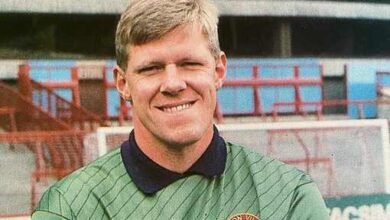
The name Perry Digweed may not appear as frequently in global football discussions as some of the sport’s biggest stars, yet his career remains a brilliant example of resilience, loyalty, and the pure spirit of English football. Digweed’s long tenure at Brighton & Hove Albion made him a respected figure among fans and players alike. His journey reflects the power of consistency and character in shaping a meaningful football legacy.
Early Life and Football Origins
Perry Michael Digweed was born on 26 October 1959 in Westminster, London. Growing up in an era when English football culture was rapidly evolving, Digweed developed an early fascination with the goalkeeper’s role. While many young players aspired to be strikers or midfielders, Digweed embraced the challenge of guarding the net. The position demanded bravery, confidence, quick reactions, and calmness under pressure, all qualities he would refine throughout his youth.
His early football years were shaped by dedication and strong work ethic. He played for local youth teams, gaining experience and catching the attention of scouts. These early steps laid the groundwork for a professional career defined by reliability and discipline.
Professional Debut at Fulham
Digweed’s professional journey began at Fulham Football Club in 1976. Fulham offered him the ideal environment to develop his technical abilities and mental toughness. Even though he did not receive many first-team opportunities, the experience was crucial in shaping his understanding of league-level football. Training with experienced players, studying tactical systems, and facing high-pressure scenarios helped him grow into a confident goalkeeper.
His time at Fulham served as a stepping stone to the next, more defining chapter of his career. The potential Fulham coaches saw in him soon attracted attention from other clubs seeking a dependable goalkeeper.
The Brighton & Hove Albion Legacy
When Perry Digweed moved to Brighton & Hove Albion in 1981, he began the chapter that would define his football identity. His 12-year stay at the club between 1981 and 1993 made him one of Brighton’s most loyal and memorable goalkeepers.
A Decade of Dedication
During his long tenure at Brighton, Digweed made nearly 200 league appearances. Such loyalty is rare in modern football, but even in the 1980s, staying at one club for more than a decade reflected a deep bond between player and team. Fans admired his consistency, maturity, and leadership, while teammates valued his calm and organised presence in the penalty area.
Playing Style and Strengths
Digweed was not a flashy goalkeeper. Instead, his strengths lay in his reliability and control. He was known for:
- Fast reflexes during close-range shots
- Strong aerial ability, especially during corners and free-kicks
- Confident one-on-one defence
- Superb communication with defenders
- A composed personality that helped stabilise the back line
He had a commanding figure in the box and approached every match with determination. This mentality made him a trusted name for Brighton supporters.
Memorable Contributions
Throughout his Brighton career, Digweed delivered several crucial performances during important league fixtures. His presence often acted as a psychological anchor for the defence, and he contributed significantly to the club’s efforts during challenging league seasons. His stability during transitional years earned him the admiration of generations of fans.
Loan Spell at Chelsea
During the 1987–88 season, Digweed experienced a short but memorable loan move to Chelsea. Although he made only a few appearances, the loan highlighted the respect he commanded in English football. Being selected by a major London club demonstrated his value as a goalkeeper capable of stepping in at high levels when needed.
Training with Chelsea’s squad gave him exposure to new styles and tactics, enriching his professional experience.
Later Career: Wimbledon and Watford
After completing his long chapter at Brighton, Digweed joined Wimbledon briefly before moving to Watford in 1993. At Watford, he played close to 30 league games and continued to display the same professionalism and solid performances that defined his earlier years.
Even in the later stages of his career, Digweed maintained sharpness, resilience, and dedication—qualities that kept him relevant and respected until his retirement.
Transition to Life After Football
One of the more surprising aspects of Perry Digweed’s post-football life was his appearance in the film Mean Machine (2001), alongside Vinnie Jones. His role in the movie brought him a different kind of recognition and showcased a side of him beyond football. It also introduced him to audiences who had never seen him play but were intrigued by his presence on screen.
This unexpected turn demonstrated his versatility and openness to exploring new experiences after retiring from professional sports.
Why Perry Digweed’s Legacy Still Matters
Perry Digweed remains a respected figure in English football, particularly among fans of Brighton & Hove Albion. His contribution is remembered not only because of his performances but also because of the values he embodied—loyalty, discipline, humility, and consistency.
Key Reasons Fans Admire Him
- Long-term loyalty to Brighton, spanning more than a decade
- Dependable performances and a calm defensive presence
- Ability to perform under pressure
- Strong work ethic and commitment to the team
- A grounded personality without seeking unnecessary spotlight
His journey illustrates the idea that success in football is not always about fame, but about dedication and meaningful influence at the club level.
Lessons for Young Goalkeepers
Young players can learn several valuable lessons from Digweed’s career:
- The importance of consistency over showmanship
- Building trust with a club and its supporters
- Embracing every phase of a career with professionalism
- Staying mentally strong through challenges
- Taking opportunities outside football when they arise
His story serves as a guiding example for aspiring keepers who want to build a long-lasting and respected career.
Conclusion
Perry Digweed’s football journey is a testament to the power of discipline, loyalty, and steady performance. From his early days at Fulham to his defining years at Brighton, followed by later roles at Wimbledon and Watford, Digweed proved himself a goalkeeper who always prioritised commitment and teamwork. His career demonstrates that true football legends are not always the ones who dominate the headlines, but often those who consistently deliver for their club, season after season.
Digweed’s story continues to inspire fans and young players alike, reminding us that passion, loyalty, and professionalism can create a legacy just as meaningful as any trophy or global spotlight.