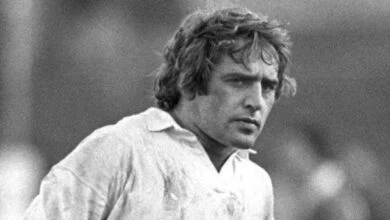
Few figures in British sport command the same level of respect, debate, and lasting influence as Sir Clive Woodward. His name is inseparable from one of the most defining moments in England’s sporting history: the Rugby World Cup victory of 2003. Yet to reduce Sir Clive Woodward’s story to a single tournament would be to overlook the depth of his thinking, the boldness of his leadership, and the cultural shift he helped introduce into elite sport.
Woodward is not merely remembered as a successful coach. He is remembered as a disruptor of tradition, a man who challenged deeply rooted assumptions about how teams should be led, prepared, and motivated. From his early playing days through to his role as a strategist, performance director, and public commentator, his journey offers a masterclass in ambition, innovation, and accountability.
Early Life and Education
Sir Clive Ronald Woodward was born on 6 January 1956 in Ely, Cambridgeshire. Raised in an environment that valued education as highly as sport, he developed an early appreciation for discipline, preparation, and self-improvement. Unlike many elite sportsmen of his generation, Woodward did not see rugby as his only path forward. He balanced his sporting ambitions with academic pursuits, laying the foundation for the analytical approach that would later define his coaching philosophy.
He attended Loughborough University, where he studied sports science. This academic background proved crucial. At a time when many coaches relied primarily on instinct and tradition, Woodward was already thinking in terms of systems, data, and marginal gains. His university years helped him understand not only how athletes perform, but why they perform the way they do.
Playing Career: Lessons from the Field
As a player, Woodward was a centre known for intelligence rather than raw physicality. He represented England at international level between 1980 and 1984, earning 21 caps. He also toured with the British & Irish Lions, an experience that exposed him to different coaching styles, team cultures, and approaches to preparation.
Although his playing career was respectable rather than legendary, it was instrumental in shaping his later views. Woodward often spoke about observing what worked and what failed in elite environments. He noticed inconsistencies in standards, communication, and planning, and he began to form strong opinions about how teams could be better organised and better led.
In many ways, his time as a player planted the seeds of a future coach who would question accepted norms rather than simply inherit them.
Transition into Coaching
After retiring from professional rugby, Woodward moved into coaching with a clarity of purpose that surprised many. He did not view coaching as a natural extension of playing, but as a distinct profession requiring its own skills and mindset.
He started at club level, working with teams such as Henley Hawks, London Irish, and Bath. These early roles allowed him to experiment, refine his ideas, and learn from mistakes without the intense scrutiny that comes with international sport. Even then, he was known for meticulous planning and for placing unusual emphasis on areas such as psychological preparation and off-field behaviour.
Woodward believed that elite performance was not limited to match day. Training standards, recovery, nutrition, communication, and even travel arrangements all mattered. This holistic view of performance would later become one of his defining trademarks.
Appointment as England Head Coach
In 1997, Sir Clive Woodward was appointed head coach of the England national rugby union team. The decision was met with mixed reactions. England had talent, but they also had a history of falling short at crucial moments. Many questioned whether Woodward’s unconventional ideas would translate to success at the highest level.
From the outset, he made it clear that mediocrity would no longer be tolerated. Selection was ruthless. Standards were explicit. Every player knew exactly what was expected, both on and off the field. Woodward demanded professionalism at a level previously unseen in English rugby.
He also restructured the coaching environment, surrounding himself with specialists rather than generalists. Skills coaches, conditioning experts, psychologists, and analysts were all given defined roles. This was not about hierarchy for its own sake, but about clarity and accountability.
Building a Winning Culture
Perhaps Sir Clive Woodward’s greatest contribution to sport lies in his understanding of culture. He believed that talent alone was never enough. What mattered was how individuals behaved under pressure, how they treated each other, and how they responded to setbacks.
He introduced the concept of “Teamship”, a philosophy built on shared responsibility and collective ownership. Players were encouraged to think for themselves, to challenge decisions respectfully, and to take responsibility for their own preparation. This approach created leaders throughout the squad rather than relying on a single voice.
Importantly, Woodward did not shy away from difficult conversations. If a player failed to meet standards, the issue was addressed directly. This honesty, though uncomfortable at times, fostered trust and clarity within the team.
The Road to the 2003 Rugby World Cup
The years leading up to the 2003 Rugby World Cup were marked by meticulous planning. Woodward famously planned the campaign years in advance, leaving little to chance. Training schedules, travel logistics, and even contingency plans for injuries were mapped out in detail.
England entered the tournament as one of the favourites, but expectations were tempered by the knowledge that success at World Cups often depends on handling pressure rather than talent alone. Woodward’s team was prepared for this reality.
Throughout the tournament, England displayed composure, discipline, and tactical intelligence. The final against Australia remains one of the most dramatic matches in rugby history, decided by a drop goal in extra time. That moment, etched into national memory, was the culmination of years of preparation and belief.
After the World Cup: New Challenges
Following the World Cup triumph, Sir Clive Woodward stepped down as England head coach. Having reached the pinnacle of international rugby, he sought new challenges rather than attempting to defend past achievements.
He later took on the role of head coach for the British & Irish Lions tour to New Zealand in 2005. The tour proved difficult and ultimately unsuccessful, highlighting how even the most accomplished leaders can face setbacks. Woodward was open about the lessons learned, reinforcing his belief that failure, when examined honestly, is a powerful teacher.
Influence Beyond Rugby
Woodward’s impact extended far beyond rugby union. He moved into roles focused on elite performance and organisational leadership, including work within professional football and British Olympic sport. His contribution to the British Olympic Association helped shape the systems that supported Team GB’s success at the London 2012 Olympic Games.
In the business world, Woodward became a sought-after speaker and consultant. His insights into leadership, culture, and performance resonated with organisations facing high-pressure environments. He argued that the principles of elite sport, when applied thoughtfully, could transform corporate performance.
Leadership Philosophy and Core Beliefs
At the heart of Sir Clive Woodward’s philosophy is the belief that people perform best when expectations are clear and standards are consistently upheld. He rejects the idea of motivational speeches as a substitute for preparation. Instead, he emphasises structure, clarity, and empowerment.
He also believes in continual learning. Throughout his career, Woodward sought inspiration from outside rugby, studying successful teams and leaders in other sports and industries. This openness to new ideas set him apart in a traditionally conservative sporting culture.
Another key belief is accountability. Success, in Woodward’s view, is never accidental. It is the result of deliberate choices, honest feedback, and a willingness to confront uncomfortable truths.
Media Presence and Public Commentary
In later years, Sir Clive Woodward became a prominent media commentator. Known for his forthright opinions, he has not hesitated to critique governing bodies, coaching decisions, or player welfare policies. While his views sometimes divide opinion, they are always rooted in a desire to improve standards and protect the long-term health of the sport.
His commentary reflects the same qualities that defined his coaching career: clarity, conviction, and an unwillingness to settle for vague explanations or half measures.
Enduring Legacy
More than two decades after England’s World Cup victory, Sir Clive Woodward’s influence remains visible. Modern rugby coaching increasingly embraces the multidisciplinary approach he championed. Concepts such as player empowerment, data-driven decision-making, and cultural alignment are now widely accepted, in part because Woodward demonstrated their effectiveness on the biggest stage.
His legacy is not limited to trophies. It lives on in the coaches he inspired, the players he developed, and the broader conversation about what elite leadership truly requires.
Conclusion
Sir Clive Woodward stands as one of the most significant figures in British sporting history, not simply because of what he won, but because of how he won it. His career illustrates the power of vision, preparation, and courage in leadership. By challenging convention and demanding excellence, he reshaped expectations of what an England team could achieve.
In an era where success is often measured in fleeting moments, Woodward’s greatest achievement may be the enduring relevance of his ideas. Long after the final whistle of the 2003 World Cup, his principles continue to guide athletes, coaches, and leaders striving for sustained excellence.