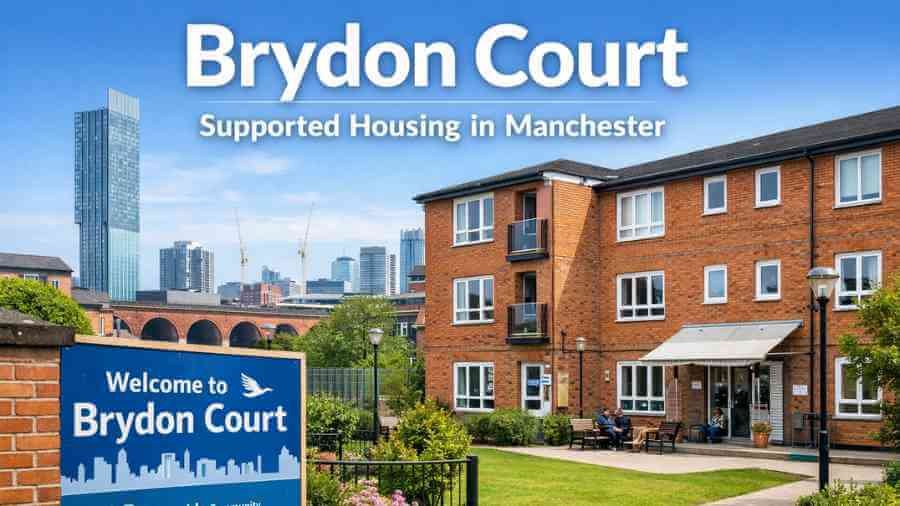
Brydon Court is a name that carries weight within its local context, particularly in Manchester, England. More than just a residential address, it represents an important part of the city’s housing and community support landscape. Over time, Brydon Court has become associated with stability, structured accommodation, and a broader social mission that reflects Manchester’s long-standing commitment to inclusive urban living.
Brydon Court and Its Location in Manchester
Brydon Court is situated in Ardwick, an inner-city area of Manchester that has undergone considerable transformation over the past few decades. Ardwick lies close to the city centre, making it strategically placed for access to employment opportunities, public transport, healthcare, and social services.
The area itself reflects Manchester’s layered identity. Historic streets sit alongside modern developments, while long-established communities live next to newer residents drawn by regeneration projects. Within this environment, Brydon Court occupies a practical and symbolic position: practical because of its accessibility, and symbolic because it demonstrates how urban spaces can be repurposed to meet pressing social needs.
Being close to the city centre means residents are not isolated. This proximity allows individuals living at Brydon Court to reconnect with everyday city life, whether through work, education, or social engagement.
The Purpose and Vision of Brydon Court
At its core, Brydon Court exists to provide structured accommodation combined with meaningful support. Rather than functioning as ordinary private housing, it operates with a clear social purpose. The vision behind Brydon Court centres on stability, recovery, and gradual independence.
For many residents, Brydon Court is a crucial stepping stone. It offers a safe place where routines can be rebuilt, confidence restored, and future plans developed. The environment is designed to be supportive rather than restrictive, recognising that personal progress often depends on trust, consistency, and respect.
This philosophy aligns with modern approaches to supported housing in the UK, which emphasise person-centred care and long-term outcomes rather than short-term fixes.
Living Environment and Facilities
The living environment at Brydon Court is structured to balance privacy with community. Accommodation typically includes individual rooms or self-contained units, allowing residents to maintain personal space while still having access to shared facilities and support services.
Common areas play an important role. These spaces encourage social interaction, reduce isolation, and help residents rebuild interpersonal skills. Kitchens, lounges, and meeting areas are often used not just for daily living, but also for organised activities, informal discussions, and one-to-one support sessions.
Cleanliness, safety, and maintenance are prioritised. A well-kept physical environment contributes significantly to residents’ sense of self-worth and belonging, reinforcing the idea that they deserve dignity and respect.
Support Services at Brydon Court
One of the defining features of Brydon Court is the level of support available to residents. This support is not generic; it is tailored to individual circumstances and needs.
Residents may receive assistance with daily living skills, such as budgeting, cooking, and maintaining routines. Support workers are typically trained to help individuals navigate complex challenges, including mental health issues, substance dependency, or the aftermath of long-term homelessness.
Crucially, the approach taken at Brydon Court is non-judgemental. Progress is understood to be non-linear, and setbacks are treated as part of the journey rather than failures. This compassionate framework helps residents feel safe enough to engage honestly with the support on offer.
Brydon Court and the Wider Community
Brydon Court does not exist in isolation. Its relationship with the surrounding community is an important aspect of its success. Local services, healthcare providers, charities, and councils often work alongside Brydon Court to ensure residents receive holistic support.
This collaborative approach benefits both residents and the wider neighbourhood. When individuals are supported effectively, there is a positive ripple effect: reduced pressure on emergency services, improved public health outcomes, and stronger community cohesion.
Brydon Court also challenges stereotypes. By integrating supported housing into established neighbourhoods, it demonstrates that inclusive communities are both possible and beneficial.
The Social Importance of Brydon Court
Housing insecurity remains a significant issue across the UK, particularly in large cities. Brydon Court addresses this challenge by offering more than shelter. It provides a framework for rebuilding lives.
The social importance of Brydon Court lies in its preventative role. Stable accommodation combined with targeted support reduces the likelihood of repeated homelessness, involvement with the criminal justice system, or prolonged health crises. In this sense, Brydon Court represents an investment in people rather than a temporary solution.
It also reflects broader societal values. By maintaining facilities like Brydon Court, Manchester reinforces the principle that everyone deserves the opportunity to live with dignity, regardless of their past circumstances.
Challenges and Realities
While Brydon Court plays a vital role, it is not without challenges. Supported housing services often operate under financial and resource pressures. Demand can exceed availability, and staff are required to manage complex situations on a daily basis.
Residents themselves may face internal challenges, including trauma, trust issues, and fear of change. Supporting individuals through these difficulties requires patience, training, and consistent funding.
Despite these realities, Brydon Court continues to function as a stabilising force. Its ongoing operation highlights the resilience of both staff and residents, as well as the importance of sustained public and institutional support.
Brydon Court in the Context of Urban Regeneration
Manchester has long been recognised for its regeneration efforts, transforming former industrial zones into vibrant residential and commercial areas. Brydon Court fits within this broader narrative, showing that regeneration is not solely about new buildings or economic growth.
True regeneration includes social infrastructure. By supporting individuals who might otherwise be left behind, Brydon Court ensures that development is inclusive. It reminds policymakers and planners that successful cities are measured not only by skylines, but by the wellbeing of their most vulnerable residents.
The Human Stories Behind Brydon Court
Beyond policies and structures, Brydon Court is defined by the people who live and work there. Each resident arrives with a unique story, shaped by personal experiences, setbacks, and hopes for the future.
For some, Brydon Court represents a first step away from years of instability. For others, it is a place to regain confidence after personal loss or hardship. Staff members, too, bring dedication and empathy, often forming meaningful connections with residents as they progress.
These human stories are what truly define Brydon Court. They illustrate the transformative power of stable housing combined with genuine support.
Looking Ahead: The Future of Brydon Court
As social challenges evolve, the role of places like Brydon Court will remain critical. Rising living costs, housing shortages, and mental health pressures mean that supported accommodation will continue to be in demand.
The future of Brydon Court depends on continued investment, thoughtful policy, and community engagement. Innovations in support delivery, stronger partnerships, and a sustained commitment to person-centred care will help ensure that Brydon Court continues to meet emerging needs.
By adapting while staying true to its core mission, Brydon Court can remain a cornerstone of Manchester’s social support network for years to come.
Conclusion
Brydon Court stands as far more than a physical building in Manchester. It represents stability, opportunity, and compassion within an urban environment that is constantly changing. Through its structured accommodation, tailored support, and integration with the wider community, Brydon Court plays a crucial role in helping individuals rebuild their lives.
Its importance extends beyond its residents, contributing to healthier communities and a more inclusive city. In understanding Brydon Court, we gain insight into how thoughtful housing solutions can address complex social issues with dignity and effectiveness.