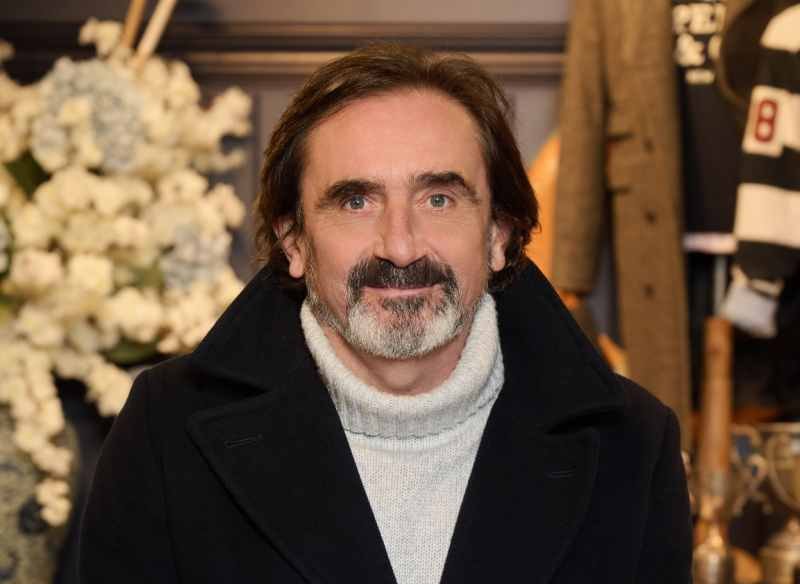
Julian Dunkerton is one of the most distinctive figures in modern British retail. Best known as the co-founder of Superdry, his career reflects the highs and lows of building a global fashion brand in an unforgiving industry. From selling clothes on a market stall to leading an international label through expansion, crisis, and renewal, Julian Dunkerton’s story is as much about resilience as it is about creativity.
Early Life and Background
Julian Dunkerton was born in London in 1965 and later grew up in Herefordshire, an area more associated with agriculture than fashion. His family background was entrepreneurial rather than corporate, with business instincts shaped by hands-on experience rather than formal education. Notably, he did not follow the traditional university route, a detail that later became central to his public image as a self-made businessman.
Growing up outside the usual fashion capitals gave Dunkerton a different perspective. Instead of chasing trends from elite institutions, he developed a practical understanding of what customers actually wanted to wear. This grounded outlook would later influence the direction of his brands, particularly the emphasis on wearable, everyday fashion with a strong identity.
First Steps into Fashion Retail
Julian Dunkerton’s entry into fashion was far from glamorous. In his late teens, he began selling clothes at markets in Cheltenham. This experience taught him crucial lessons about pricing, supply, customer behaviour, and stock management. Unlike large retailers, he had to respond instantly to what sold and what did not.
In the mid-1980s, he opened a small shop called Cult Clothing. The store specialised in vintage American and Japanese-inspired garments, a combination that was unusual at the time. Cult Clothing gained a loyal following, particularly among younger customers looking for something different from mainstream high-street fashion.
This period laid the foundation for Dunkerton’s future success. He learned how to curate a brand identity, build community around a label, and balance creativity with commercial reality.
The Birth of Superdry
The early 2000s marked a turning point in Julian Dunkerton’s career. Drawing on years of retail experience, he co-founded Superdry, a brand that blended Americana, Japanese graphics, and British tailoring. The result was visually distinctive and immediately recognisable.
Superdry’s early success was driven by several factors:
- A strong, consistent brand identity
- High-quality fabrics compared to competitors at similar price points
- Clever use of bold typography and design
- Strategic placement in prime retail locations
Celebrity exposure also played a role, with actors and musicians frequently spotted wearing Superdry clothing, giving the brand cultural credibility without relying heavily on traditional advertising.
Rapid Growth and Global Expansion
As Superdry gained momentum, expansion followed quickly. Stores opened across the UK, Europe, Asia, and North America. The brand became synonymous with premium casualwear, particularly jackets, hoodies, and graphic T-shirts.
Julian Dunkerton was central to this growth phase. He maintained close involvement in design and brand direction, ensuring that Superdry did not drift too far from its original identity. Under his leadership, the company grew into a publicly listed business with thousands of employees worldwide.
However, rapid expansion also brought challenges. Managing global supply chains, maintaining consistency across markets, and adapting to fast-changing fashion trends placed increasing pressure on leadership.
Leadership Style and Business Philosophy
Julian Dunkerton is known for a hands-on leadership style. Unlike many executives who move away from creative decisions as companies grow, he remained deeply involved in product development and brand storytelling.
Key elements of his leadership philosophy include:
Strong Brand DNA
Dunkerton has consistently emphasised the importance of protecting a brand’s core identity. He believes that fashion brands fail when they try to appeal to everyone.
Long-Term Thinking
Rather than chasing short-term trends, he has often argued for investing in quality, design integrity, and customer loyalty.
Independence
Throughout his career, Dunkerton has been vocal about maintaining control over creative direction, even when this brought him into conflict with investors or board members.
Stepping Back and the Consequences
In the late 2010s, Julian Dunkerton stepped back from day-to-day leadership at Superdry. During this period, the brand faced declining sales, strategic uncertainty, and criticism that it had lost its original identity.
Designs shifted, store experiences changed, and customers became less engaged. For Dunkerton, this phase confirmed his belief that strong leadership and brand clarity are non-negotiable in fashion retail.
Eventually, pressure from shareholders and declining performance led to his return to a more active leadership role.
Return to Leadership and Brand Reset
Julian Dunkerton’s return marked the beginning of a significant reset for the company. He openly acknowledged past mistakes and focused on rebuilding Superdry from the inside out.
Key actions during this period included:
- Simplifying product lines
- Refocusing on core categories that originally defined the brand
- Reducing unnecessary complexity in operations
- Strengthening quality control
This phase was not about rapid growth but about stability, profitability, and regaining customer trust. Dunkerton framed the turnaround as a long-term process rather than a quick fix.
Views on Sustainability and Responsibility
Like many modern fashion leaders, Julian Dunkerton has had to confront growing concerns about sustainability. While not positioning himself as an activist, he has spoken about the responsibility of fashion brands to reduce waste and improve transparency.
Efforts under his leadership have included:
- Improved sourcing practices
- Greater focus on durability rather than disposable fashion
- Clearer communication around production standards
He has argued that sustainability must be practical and embedded in business operations, rather than treated as a marketing exercise.
Political Engagement and Public Voice
Julian Dunkerton is also known for his willingness to engage in political debate. He has supported various political causes over the years and has not shied away from expressing his views publicly.
This openness has sometimes attracted criticism, but it has also reinforced his image as an independent thinker. For Dunkerton, business does not exist in isolation from society, and he has often argued that entrepreneurs have a responsibility to participate in national conversations.
Personal Life and Interests
Despite his public profile, Julian Dunkerton tends to keep much of his personal life private. He is known to value independence, creativity, and craftsmanship, interests that extend beyond fashion into areas such as hospitality and heritage businesses.
Living outside London has also shaped his worldview. Being based away from the capital has allowed him to build businesses that are not entirely driven by metropolitan trends, reinforcing his belief in regional entrepreneurship.
Influence on British Fashion
Julian Dunkerton’s impact on British fashion is undeniable. Superdry helped redefine premium casualwear and demonstrated that UK brands could compete globally without abandoning their identity.
His career offers valuable lessons for entrepreneurs:
- Authenticity matters more than rapid growth
- Strong leadership is essential during times of change
- Brands must evolve without losing their core values
Even critics acknowledge that Dunkerton’s willingness to take responsibility during difficult periods sets him apart from many corporate leaders.
FAQs
What is Julian Dunkerton best known for?
Julian Dunkerton is best known as the co-founder of Superdry and for building it into a globally recognised British fashion brand.
Did Julian Dunkerton attend university?
No, he did not follow a traditional academic path. His success is largely based on hands-on retail experience and entrepreneurship.
Why did Julian Dunkerton return to Superdry leadership?
He returned to help stabilise the brand after declining performance and to restore its original identity and direction.
Is Julian Dunkerton involved in politics?
Yes, he has publicly supported various political causes and has been vocal about national and social issues.
What makes Julian Dunkerton’s leadership style unique?
His leadership is characterised by deep involvement in creative decisions, strong views on brand integrity, and long-term thinking.
Conclusion
Julian Dunkerton’s journey is a rare example of a founder who not only built a global brand but also returned to rebuild it when things went wrong. His story reflects the realities of modern retail, where creativity, discipline, and resilience must coexist.
In an industry known for rapid change and short memories, Julian Dunkerton stands out as a figure willing to learn from failure, defend his vision, and adapt without abandoning his principles. His influence on British fashion and entrepreneurship continues to be felt, making him a compelling case study for anyone interested in business, branding, and leadership.