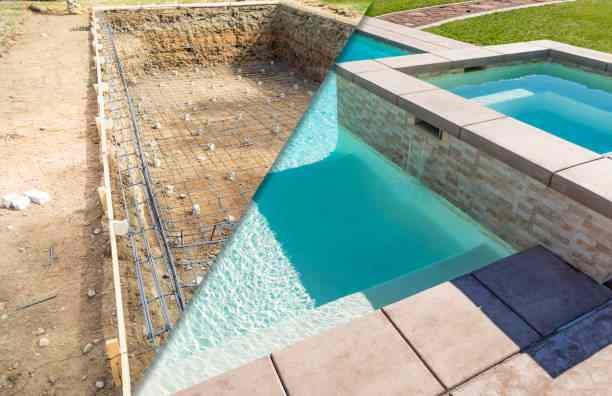
Swimming pools have long been part of the Australian housing landscape, particularly in warmer regions and family-oriented suburbs. For homeowners who already have a pool, renovation is often one of the most effective ways to improve both lifestyle appeal and property value without the disruption of a full rebuild.
A considered swimming pool renovation can modernise outdoor spaces, improve efficiency, and remove concerns that buyers commonly associate with older or poorly maintained pools. In competitive property markets, these improvements can influence how a home is perceived during inspections and negotiations.
Why pools affect buyer perception
Buyers do not assess pools in isolation. They consider how the pool fits into the overall property, whether it appears well maintained, and how much work may be required after purchase. A dated pool with worn finishes or ageing equipment can signal hidden costs and future maintenance issues.
In contrast, a renovated pool suggests the home has been actively upgraded and cared for. Clean finishes, compliant safety features, and modern systems reduce uncertainty and make the property feel more complete. This often leads to stronger buyer confidence and fewer objections during the sales process.
Renovation versus rebuilding
Renovating an existing pool is typically far more cost-effective than installing a new one. In many cases, the pool shell remains structurally sound, making resurfacing, equipment upgrades, and design improvements practical and efficient.
Renovation allows homeowners to address visual wear, improve functionality, and extend the usable life of the pool without major excavation or construction. From a property value perspective, this approach often delivers a higher return relative to the investment made.
Design upgrades that add appeal
Visual impact plays a significant role in buyer response. Older pools often feature dark interiors, dated tiles, or surrounding finishes that no longer align with current preferences. Renovation provides the opportunity to update these elements to suit contemporary outdoor living styles.
Lighter interiors, modern coping, and cohesive paving help the pool blend seamlessly with landscaping and entertaining areas. Integrated steps, bench seating, and streamlined edges can improve both usability and aesthetics, making the pool feel larger and more inviting.
When a pool looks like a natural extension of the home rather than an afterthought, it contributes positively to overall property presentation.
Energy efficiency and operating costs
Running costs are a common concern for buyers considering homes with pools. Renovation offers a chance to replace older equipment with modern, energy-efficient alternatives that reduce long-term expenses.
Upgrading pumps, filters, and lighting can significantly improve efficiency while lowering electricity and maintenance costs. These changes may not be immediately visible, but they often feature in buyer discussions once inspection reports and specifications are reviewed.
A pool that is cheaper and easier to maintain is more likely to be viewed as a lifestyle benefit rather than a financial burden.
Safety and compliance improvements
Pool safety regulations have evolved over time, and older pools may no longer meet current standards. Renovation allows homeowners to update fencing, gates, and access points to comply with regulations and improve overall safety.
For families, safety is often non-negotiable. Buyers are more comfortable proceeding when they know a pool meets compliance requirements and does not require immediate corrective work. Addressing these issues before selling removes a common barrier to purchase.
Lifestyle expectations and buyer demand
Pools continue to play an important role in how Australians view outdoor living, particularly in regions with warmer climates. Research shows that nearly 2.7 million Australians now live in a home with a swimming pool, representing around 13 per cent of the population. In Sydney, pool ownership sits above the national average, reflecting ongoing demand in metropolitan markets.
The research also highlights that pool ownership is more common among households that place strong value on lifestyle, entertaining, and home-based recreation. This reinforces why a well-presented pool can influence buyer decisions, particularly for family homes and properties designed around outdoor living.
Functional improvements that buyers notice
Beyond appearance, buyers pay attention to how a pool can be used. Renovation enables homeowners to improve functionality by adjusting entry points, adding shallow zones, or creating areas suited to relaxation as well as swimming.
Pools that cater to multiple uses, such as family play, exercise, and entertaining, tend to appeal to a broader range of buyers. These practical upgrades can be especially valuable in suburban markets where outdoor space is a key selling feature.
Renovation as part of overall property value
A pool renovation is most effective when considered alongside the rest of the property. Updated pools that align with renovated interiors, landscaped gardens, and modern outdoor spaces contribute to a cohesive presentation.
Rather than acting as a standalone feature, the pool becomes part of a broader lifestyle offering. This integrated approach can strengthen buyer perception and support stronger pricing outcomes.
When renovation makes sense
Not every pool requires renovation, but signs such as surface wear, inefficient equipment, outdated finishes, or safety non-compliance are indicators that upgrades may be worthwhile. Addressing these issues before selling or leasing allows homeowners to control costs and present the property in its best light.
For many properties, Professional Swimming Pool Renovation plays a key role in improving both day-to-day enjoyment and long-term value, particularly in markets where pools are an expected feature rather than a luxury.
When planned carefully, renovation turns an ageing pool into an asset that supports buyer confidence, lifestyle appeal, and overall property performance.