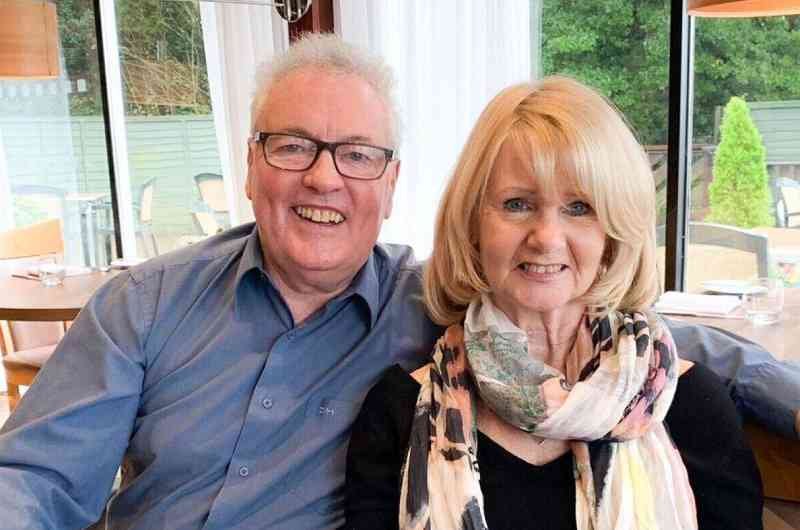
Football history is filled with famous stars whose names dominate headlines, but it is also shaped by talented players whose influence quietly helped their clubs and countries progress. One such figure is Eric McMordie, a gifted Northern Irish footballer who built a respected career during the late 1960s and 1970s. Known for his intelligence on the pitch, creativity in midfield, and dedication to the game, he became a familiar name among supporters of Middlesbrough and the Northern Ireland national team.
Although he never pursued the glamour or fame that many footballers sought, Eric McMordie played an important role in the era when British football was evolving rapidly. His story combines early promise, consistent professional service, and an enduring legacy among fans who appreciate the artistry of midfield play.
Early Life and Football Beginnings
Born on 12 August 1946 in Belfast, Northern Ireland, Eric McMordie grew up in a city where football held deep cultural significance. Belfast had produced several talented footballers, and young players often dreamed of following in their footsteps by joining clubs in England or representing Northern Ireland internationally.
From a young age, McMordie showed a natural ability with the ball. He possessed a calm style of play, strong awareness of the field, and the type of passing ability that often separates creative players from purely physical ones. Local coaches quickly recognised that he had the potential to develop into a professional footballer.
In his teenage years, he played for Dundela Football Club, a respected Belfast club known for nurturing young talent. While playing at Dundela, he gained valuable experience competing against experienced players, which helped him develop both confidence and technical ability.
The Manchester United Trial Story
One of the most interesting episodes from the early life of Eric McMordie involves a journey to England with another Belfast teenager who would later become one of football’s greatest legends: George Best.
Both young players travelled to Manchester to attend a trial at Manchester United. However, homesickness reportedly affected them soon after arriving. While Best eventually returned to England and began the remarkable career that made him a global icon, McMordie decided to remain in Northern Ireland for a period, working locally while continuing to play football.
This moment is often remembered as one of football’s fascinating “what if” stories. Nevertheless, the decision did not prevent McMordie from building a strong professional career of his own.
Professional Career Begins at Middlesbrough
The turning point in the career of Eric McMordie came in 1964, when Middlesbrough signed him as a young player. Moving from Belfast to England was a major step, but the opportunity allowed him to compete in one of the most competitive football environments in Europe.
Middlesbrough supporters soon began to appreciate his style of play. Rather than relying on physical strength or speed alone, he brought creativity and intelligence to the midfield.
Establishing Himself in the First Team
By the mid-1960s, McMordie had begun to appear regularly in the Middlesbrough first team. His debut in professional football marked the start of what would become the most significant chapter of his career.
Over time, he developed a reputation as a dependable and technically skilled midfielder. Coaches valued his ability to maintain possession, organise attacks, and support both defensive and attacking phases of play.
During his time at the club, he made over 240 league appearances and scored more than 20 goals. While these numbers might not seem extraordinary for a forward, they reflect the role he played as a creative midfielder whose main responsibility was building attacking moves rather than finishing them.
A Loyal Servant to the Club
For more than a decade, Eric McMordie remained closely associated with Middlesbrough. In an era when transfers were becoming increasingly common, such loyalty was highly respected among supporters.
He became a familiar presence at Ayresome Park, contributing to the club’s efforts in the English Football League and helping younger players adapt to professional football.
Although he was not always in the spotlight, his consistency made him a valued member of the squad.
Loan Spell at Sheffield Wednesday
By the mid-1970s, Middlesbrough’s squad was changing, and competition for places became stronger. As a result, Eric McMordie spent a short period on loan at Sheffield Wednesday during the 1974–75 season.
Interestingly, his impact there was immediate.
Despite playing only a limited number of matches, he scored several important goals and quickly became one of the team’s most effective attacking players during that short period. His ability to influence games reminded many observers of the quality he possessed as a midfielder capable of arriving in scoring positions.
Even though the loan spell was brief, it remains one of the more memorable moments of his career outside Middlesbrough.
Later Career at York City
After leaving Middlesbrough, McMordie joined York City in 1975. The move allowed him to continue playing regular football while bringing experience to a developing squad.
At York City, he played more than forty league matches. His leadership and understanding of the game proved useful in guiding younger teammates.
Although the club faced difficult seasons during that period, his presence added stability and professionalism within the dressing room.
The experience also demonstrated how adaptable he was as a player. Even as football tactics continued to evolve, he remained capable of contributing in different roles within midfield.
Final Professional Years at Hartlepool United
The final stage of the professional career of Eric McMordie came with Hartlepool United. Joining the club in the mid-1970s, he spent the last years of his playing career contributing his experience to the squad.
While younger players often provided energy and pace, McMordie brought tactical awareness and composure. These qualities are particularly valuable for teams navigating the competitive environment of the lower divisions of English football.
After several seasons with Hartlepool United, he decided to retire from professional football in 1978, concluding a career that had spanned more than a decade in the English leagues.
International Career with Northern Ireland
In addition to his club achievements, Eric McMordie also represented Northern Ireland at international level.
Playing for one’s national team is often considered the highest honour in football, and he earned over twenty international caps during his career.
Representing His Country
McMordie played for Northern Ireland between 1968 and 1972, appearing in international fixtures including matches in the British Home Championship.
Representing Northern Ireland required not only skill but also mental resilience. International matches often involved facing strong opponents such as England, Scotland, and Wales.
Despite the challenges, he performed admirably and scored several goals during his time with the national side.
Contribution to Northern Irish Football
Although he did not participate in major tournaments such as the World Cup finals, his presence in the national squad contributed to the development of Northern Irish football during that era.
Players like McMordie helped maintain the competitiveness of the national team during a period when international football was becoming increasingly demanding.
Playing Style and Strengths
Observers often described Eric McMordie as a thinking footballer. His style relied heavily on awareness, positioning, and passing ability rather than purely physical attributes.
Several qualities defined his playing style:
Vision and Creativity
One of his greatest strengths was his ability to read the game. He could anticipate the movement of teammates and deliver accurate passes that opened space for attacking opportunities.
Intelligent Movement
Rather than constantly sprinting across the pitch, he often positioned himself intelligently to receive the ball in dangerous areas.
This awareness allowed him to contribute to attacks without relying on speed alone.
Composure Under Pressure
In midfield positions, players frequently face intense pressure from opponents. McMordie was known for remaining calm in such situations, allowing him to maintain possession and make thoughtful decisions.
These qualities made him an effective playmaker and an important link between defence and attack.
Life After Football
When the professional career of Eric McMordie ended in the late 1970s, he moved into business and commercial activities.
Like many footballers from that era, he did not have the financial security that modern players enjoy. Therefore, building a successful career outside football became essential.
He reportedly worked in business and retail ventures, particularly within the Teesside region of England where he had spent much of his playing career.
Former players often remain connected to football through community events, fan gatherings, and club associations, and McMordie has been remembered fondly by supporters who saw him play.
Legacy in Football
Although his name may not appear among the most famous footballers in history, the career of Eric McMordie reflects the importance of dedicated professionals who contribute consistently to their teams.
Supporters of Middlesbrough in particular remember him as a loyal and intelligent midfielder who helped shape the club’s midfield during a transformative period.
His story also highlights the journey of many footballers from Northern Ireland who travelled to England to pursue professional careers, helping strengthen the connection between the football cultures of both regions.
Today, football historians and fans continue to recognise the value of players like McMordie who quietly played important roles within their teams.
FAQs
Who is Eric McMordie?
Eric McMordie is a former Northern Irish professional footballer who played as an attacking midfielder during the 1960s and 1970s, most notably for Middlesbrough and the Northern Ireland national team.
Which clubs did Eric McMordie play for?
During his career, Eric McMordie played for Middlesbrough, Sheffield Wednesday (on loan), York City, and Hartlepool United.
How many international matches did Eric McMordie play?
He represented Northern Ireland more than twenty times at international level and scored several goals for the national team.
What position did Eric McMordie play?
He primarily played as an attacking midfielder or inside forward, focusing on creating opportunities and linking midfield with attack.
When did Eric McMordie retire from football?
He retired from professional football in 1978 after completing his final seasons with Hartlepool United.
Conclusion
The history of football is built not only on legendary superstars but also on reliable professionals whose contributions shape clubs and national teams over many years. Eric McMordie represents that kind of player.
From his early days in Belfast to more than a decade in English football, he demonstrated intelligence, creativity, and dedication to the sport. His long association with Middlesbrough and his appearances for Northern Ireland show the respect he earned throughout his career.