Alistair Mackintosh: The Strategic Football Executive Shaping Fulham FC

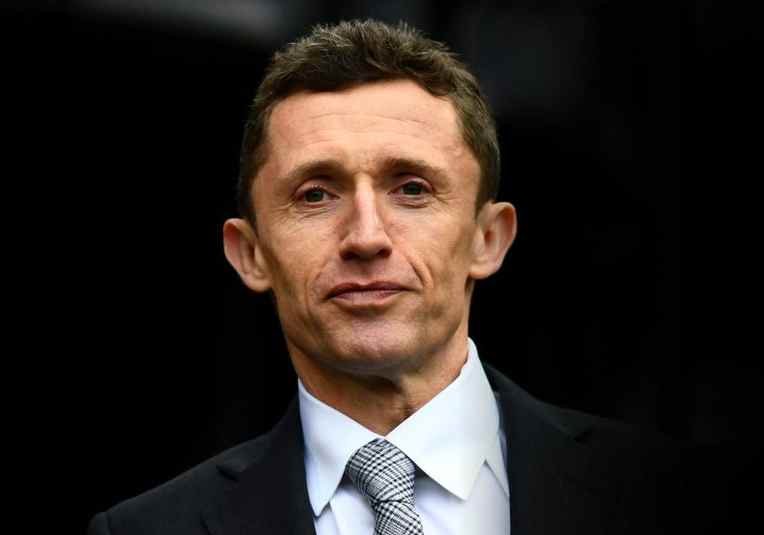
Alistair Mackintosh is widely regarded as one of the most experienced and influential football executives in modern English football. Best known for his long-standing role as Chief Executive Officer of Fulham Football Club, he has played a decisive role in shaping the club’s structure, strategy, and stability over many years. While managers and players often attract public attention, Mackintosh’s influence has largely operated behind the scenes, where long-term planning and governance truly determine a club’s future.
Table of Contents
ToggleQuick Bio
| Profile Detail | Information |
|---|---|
| Full Name | Alistair Julian Mackintosh |
| Known For | Football executive, CEO of Fulham FC |
| Age | Mid-50s (born June 1970) |
| Height | Not publicly disclosed |
| Nationality | British |
| Profession | Football Executive, Chartered Accountant |
| Education | Professional training as a Chartered Accountant |
| Net Worth | Estimated £5–10 million (industry estimates, not publicly declared) |
| Current Role | Chief Executive Officer at Fulham Football Club |
| Career Highlights | CEO of Fulham FC since 2008; senior executive roles in Premier League football; leadership during stadium redevelopment and multiple league promotions |
| Social Media Presence | No official public social media accounts; maintains a low public profile |
Early Life and Professional Background
Foundations as a Chartered Accountant
Alistair Mackintosh’s professional roots lie in finance rather than football management. Trained as a chartered accountant, he developed a strong understanding of corporate governance, financial control, and strategic planning. This background is particularly significant in modern football, where clubs operate as complex commercial organisations subject to strict financial and regulatory oversight.
The discipline and analytical thinking required in accountancy shaped Mackintosh’s professional mindset. Instead of short-term thinking, his approach has consistently focused on sustainability, accountability, and structured decision-making.
Transition into Football Administration
Before becoming a prominent figure at Fulham FC, Mackintosh built his executive experience within the football industry, including senior roles at Manchester City. Working at a top-level club during a period of change provided valuable exposure to elite football operations, media scrutiny, and high-stakes decision-making.
This experience helped prepare him for the responsibilities he would later assume at Fulham, where long-term leadership and adaptability would be essential.
Appointment at Fulham Football Club
Joining Fulham in 2008
Alistair Mackintosh joined Fulham Football Club in the summer of 2008, taking on the role of Chief Executive Officer. At that time, Fulham were competing in the Premier League and seeking greater stability both on the pitch and within the club’s executive structure.
His appointment signalled a move towards a more corporate and professionally managed approach, reflecting broader changes across English football as clubs became increasingly global and commercially complex.
Establishing Executive Continuity
One of the most striking aspects of Mackintosh’s career at Fulham is longevity. In an industry where executive turnover is common, his continued leadership has provided the club with consistency. This stability has allowed Fulham to plan beyond single seasons, focusing instead on long-term objectives.
Leadership Style and Executive Philosophy
Calm and Methodical Leadership
Mackintosh is widely known for his understated leadership style. Unlike some football executives who actively seek public attention, he operates with a calm and methodical approach. Decisions are typically data-driven, carefully considered, and aligned with the club’s broader strategic goals.
This style has helped Fulham remain composed during challenging periods, including relegations and financial pressures that have destabilised many other clubs.
Emphasis on Financial Responsibility
Financial sustainability has been a cornerstone of Mackintosh’s philosophy. His background as a chartered accountant has ensured that Fulham operates with a clear understanding of budgets, revenue streams, and long-term liabilities.
Rather than chasing immediate success at unsustainable cost, his leadership has prioritised responsible spending, regulatory compliance, and controlled growth.
Navigating the Realities of Modern Football
Promotions and Relegations
Fulham’s recent history includes movement between the Premier League and the Championship. While relegation can be disruptive, Mackintosh’s executive leadership has helped the club remain resilient.
Each transition has been treated as part of a broader cycle rather than a crisis. This perspective has enabled Fulham to rebuild effectively and return to the top tier with a stronger organisational foundation.
Supporting Football Operations
Although not directly involved in coaching or player selection, Mackintosh plays a vital role in supporting football operations. His responsibilities include approving budgets, overseeing contracts, and ensuring that football decisions align with the club’s financial and strategic framework.
Stadium Development and Infrastructure Growth
Craven Cottage Redevelopment
One of the most significant projects during Mackintosh’s tenure has been the redevelopment of Craven Cottage, Fulham’s historic stadium. Balancing tradition with modern requirements is a challenge faced by many long-established clubs.
Under his executive oversight, the redevelopment aimed to enhance supporter experience while increasing matchday revenue and preserving the club’s unique character.
Long-Term Commercial Impact
Improved infrastructure has allowed Fulham to strengthen its commercial position. Modern facilities attract sponsors, hospitality clients, and global audiences, contributing to financial stability.
Mackintosh’s role in guiding these developments highlights the importance of executive leadership beyond football results.
Relationship With Supporters
Structured Engagement
Supporter relations are an essential part of football governance. During Mackintosh’s leadership, Fulham introduced structured dialogue with fan groups, providing formal opportunities for discussion and feedback.
This approach demonstrates recognition of supporters as key stakeholders, even when decisions are difficult or unpopular.
Handling Criticism
Like all football executives, Mackintosh has faced criticism, particularly around ticket pricing and commercial strategies. His leadership style reflects a willingness to engage constructively while maintaining strategic direction.
Balancing supporter sentiment with financial realities is one of the most complex challenges in football administration, and his tenure illustrates how this balance can be managed over time.
Governance and Industry Standing
Navigating Regulation
Modern football operates within strict regulatory frameworks, including financial rules and league governance standards. Mackintosh’s financial expertise has been particularly valuable in ensuring Fulham’s compliance.
This focus on governance has protected the club from penalties and reputational damage that have affected less disciplined organisations.
Professional Recognition
Within football business circles, Mackintosh is regarded as a highly experienced executive. His long service as CEO reflects confidence from ownership and respect within the industry.
While not a public-facing figure, his influence is recognised among professionals who understand the importance of effective executive management.
Personal Profile and Working Approach
Low Public Visibility
Alistair Mackintosh maintains a relatively low media profile, preferring to focus on internal operations rather than public commentary. This approach reinforces his image as a professional administrator rather than a celebrity executive.
Commitment to the Club
Serving as CEO since 2008, Mackintosh’s commitment to Fulham FC is notable. Such continuity has allowed the club to build institutional knowledge, refine systems, and maintain organisational coherence.
Impact on Fulham’s Long-Term Identity
Preserving Tradition While Embracing Change
Fulham FC occupies a distinctive place in English football, blending history with modern ambition. Mackintosh’s leadership has supported this balance, ensuring that growth does not come at the expense of identity.
Legacy Beyond Trophies
Executive legacy is measured differently from on-field success. Mackintosh’s contribution lies in stability, governance, and sustainable progress, foundations that enable football success over time.
Conclusion
Alistair Mackintosh stands as a clear example of modern football leadership built on professionalism, financial discipline, and long-term vision. While his work rarely attracts headlines, its impact is evident in Fulham Football Club’s stability, infrastructure growth, and ability to compete responsibly at the highest levels of English football. His career highlights the vital role of executive leadership in shaping not just results, but the enduring strength of a football club.
FAQs
Who is Alistair Mackintosh?
Alistair Mackintosh is a British football executive and chartered accountant, best known as the Chief Executive Officer of Fulham Football Club.
When did he become CEO of Fulham FC?
He joined Fulham FC as CEO in the summer of 2008.
What is his professional background?
He trained as a chartered accountant and held senior executive roles in English football before joining Fulham.
What leadership style is he known for?
He is known for a calm, methodical, and sustainability-focused leadership style.
Why is he important to Fulham Football Club?
His long-term executive leadership has provided stability, financial discipline, and strategic continuity for the club.