Dollis Valley is one of North London’s most intriguing areas, blending the tranquillity of open green space with a deep social history that stretches through generations. Whether someone knows it for the scenic Dollis Valley Greenwalk, the historic estate that once stood here, or the modern redevelopment that has transformed the landscape, Dollis Valley holds an identity that is both complex and captivating.
Understanding Dollis Valley
Dollis Valley is located within the London Borough of Barnet, forming part of the northern stretch of Greater London. It is tied closely to natural features such as Dollis Brook and the Dollis Valley Greenwalk, making the area one of the rare examples where city life meets countryside character. For decades, the name was associated primarily with the Dollis Valley Estate — a housing estate built in the mid-20th century, later demolished and redeveloped into modern mixed-tenure homes. Yet, for Londoners and visitors alike, Dollis Valley is as much about walking paths, wildlife, and open sky as it is about architecture and social history.
Unlike many busy London districts lined with traffic and continuous noise, Dollis Valley offers breathing space. Tall trees, singing birds, riverside paths and the gentle sound of flowing water create an atmosphere where people often forget they are within one of the world’s busiest cities. Local residents cherish this quality, while hikers and families frequently visit to enjoy cycling, walking, picnics and moments away from the urban rush. At the same time, the area’s estate history, regeneration projects, displacement concerns and community voices make Dollis Valley a subject of social discussion and planning interest.
Dollis Valley Greenwalk: Nature’s Path Through London
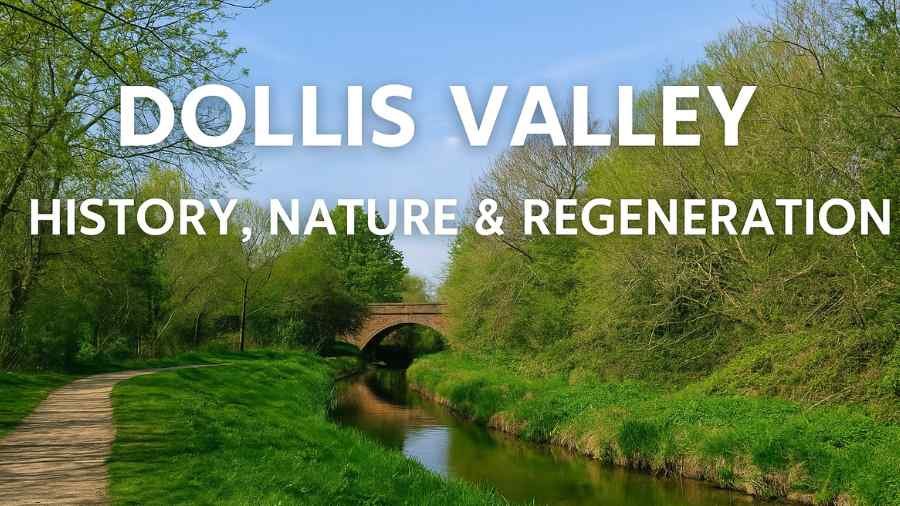
One of the most recognisable features of Dollis Valley is the Greenwalk — a lengthy walking route that stretches through various open spaces, parks and residential neighbourhoods. The trail is welcoming to walkers, runners and cyclists, attracting nature lovers, photographers and everyday families searching for a calm weekend outing.
The landscape along the Dollis Valley Greenwalk is surprisingly diverse. In some parts it feels like rural countryside — with open fields, untrimmed grass, small wooden bridges and the charming sight of ducks floating in Dollis Brook. In other sections, the path touches suburban housing and local facilities, showing how nature and community coexist. For children, it becomes a place to learn about birds, insects and seasonal changes. For adults, it is a retreat, a location for morning exercise or a route for peaceful contemplation.
Through the seasons, Dollis Valley transforms visually. Spring adds fresh blossom and bright green leaves. Summer brings warmth, families outdoors and playful laughter. Autumn arrives with golden leaves and a crisp breeze, while winter gives the area a calm, bare beauty that photographers adore. This year-round variety contributes to the popularity of Dollis Valley and explains why many refer to it as one of London’s “hidden green lungs”.
A Look Back: The Dollis Valley Estate
Before modern redevelopment reshaped the area, Dollis Valley Estate was once one of Barnet’s significant post-war housing developments. Built around the 1960s and 1970s, the estate was intended to provide large-scale social housing for families requiring accommodation after London’s wartime challenges. Like many estates of the era, its design language emphasised open shared spaces, community interaction, and the convenience of separating pedestrians from road traffic.
The estate was divided into clusters of maisonettes, low-rise homes and multi-storey blocks. Many homes fronted green lawns, giving residents direct access to shared outdoor environments. Cars were often placed to the back or external service roads, allowing children to play safely without traffic danger. Early residents often recall a sense of neighbourliness — children playing together, parents standing outside for evening chats, and an environment shaped by community rather than high-street commercialism.
However, time introduced difficulties. As decades passed, maintenance challenges, aging infrastructure, dampness, fear of crime, economic inequalities and a feeling of neglect began to shape public perception. While many families continued to build warm memories there, others felt the estate needed renewal and a fresh start. Discussions began about regenerating Dollis Valley, leading to one of the most significant transformations in its recent history.
The Regeneration of Dollis Valley
Regeneration became a major chapter in the story of Dollis Valley. Many of the original buildings were demolished to make space for new housing developments. Modern architecture replaced ageing structures, and the area was redesigned with terraced houses, new flats, landscaped greenery, road connectivity and improved facilities. New homes, gardens, play areas, community centres and modern planning features started taking shape in place of the earlier estate.
While redevelopment improved living standards for many, it also sparked debate. A major concern was the reduction of social rented housing. The number of affordable homes created was lower than the number removed, which led to community members questioning whether regeneration was fair for vulnerable families. Some long-term residents welcomed the transformation, saying it brought better safety, cleaner surroundings and new opportunities. Others felt that the spirit of community was changing, and a sense of belonging built over years was fading as original families moved away or became priced out.
Such discussions are not unique to Dollis Valley; they reflect a broader London-wide challenge — balancing development with social responsibility. Yet the story of Dollis Valley stands as one example of how communities evolve, how memories stay alive even after buildings disappear, and how modern housing reshapes the identity of a neighbourhood.
Community, Culture and Daily Life
Today, Dollis Valley holds a mixture of long-term residents, newer homeowners and visitors passing through for nature walks. Families often enjoy picnics near the brook, local children cycle along the paths, and weekend joggers follow the trail for exercise. Community groups occasionally organise nature walks, environmental clean-ups and family-friendly outdoor activities.
Although modern life has changed the visual identity of Dollis Valley, there remains a deep emotional bond for many who grew up there. The stories of youth clubs, football on the grass, childhood adventures by the brook and friendships formed in shared spaces continue through generations. Oral history, photographs and local memories keep the earlier estate alive in people’s minds, creating a cultural layer beyond concrete and design.
Local schools, public transport links and shops make the area convenient for families, while the presence of open land adds a unique touch that many London districts cannot offer. It is rare to find a place in a major city where one can step out of a residential street and within minutes be walking beside a river surrounded by birds and trees. That contrast is part of Dollis Valley’s charm.
Wildlife and Environmental Importance
Nature thrives in Dollis Valley, supported by Dollis Brook which runs gently through the landscape. Ducks, herons and small fish can be spotted in the water. Squirrels jump between trees. Seasonal flowers brighten the walking route. The area acts as a wildlife corridor, allowing animals to move through London without interruption by heavy construction.
Environmental groups often highlight the importance of preserving such spaces — not only for wildlife but for human well-being. In a society where screen time dominates and mental stress is rising, access to natural environments plays a vital role in maintaining emotional balance. Walking beside water, listening to birdsong or simply breathing fresh outdoor air can reduce anxiety and improve mood.
Future development decisions surrounding Dollis Valley therefore hold significance. Maintaining green access, improving biodiversity and ensuring the brook remains clean are essential goals for sustainable living. With climate change and urban expansion increasing worldwide, Dollis Valley stands as a reminder that nature and city can coexist when planning is done thoughtfully.
Visiting Dollis Valley
For anyone planning to visit Dollis Valley, the experience is as flexible as one chooses. Some visit for long walks across the Greenwalk route, exploring parks and woodlands along the way. Others prefer short, peaceful evening strolls with family or pets. Joggers and cyclists use the space for fitness routines. Many simply sit by the brook to enjoy fresh air and the calming sound of flowing water.
Photography enthusiasts find a treasure of frames here — flowing water under small bridges, paths covered in golden leaves during autumn, wildlife hiding among branches, and mist touching the ground on cold mornings. Picnic lovers arrive with blankets in summer. Parents bring children to play. Nature watchers explore flora and fauna. The scenery encourages people to slow down, breathe, and reconnect with simple joys.
The Future of Dollis Valley
Looking forward, Dollis Valley carries potential for further development, but with the responsibility to preserve nature and protect community fairness. Housing demand in London continues to grow, and planners face the challenge of balancing affordable living with modern architecture. Residents often express hope that future projects will prioritise social balance, accessibility and community voice.
Environmental groups encourage ongoing care for Dollis Brook, flood management, and biodiversity protection. Many believe that improving public facilities, benches, playgrounds, lighting and cycle-friendly routes could enrich the experience further. The goal for the future is an area where regeneration, nature and community thrive together.
Conclusion
Dollis Valley stands as a space where history, nature and modern life come together. Once known for its estate and now celebrated for regeneration alongside greenery, the area holds memories for thousands of residents past and present. The Dollis Valley Greenwalk offers one of London’s most peaceful outdoor experiences, while redevelopment reflects evolving social priorities and architectural change. Community voices, environmental protection and fair housing will shape how Dollis Valley continues to grow, ensuring that the balance between people, wildlife and modern living remains strong.