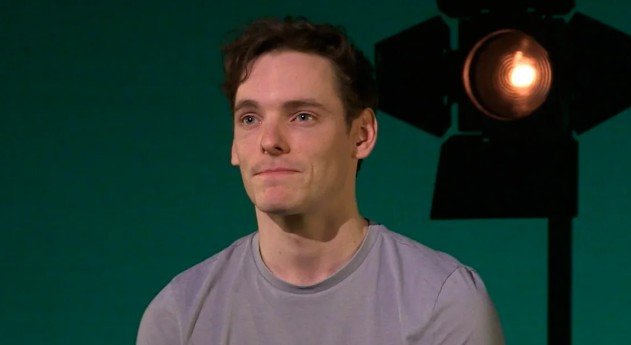
George Renshaw is a multifaceted talent whose name has gained notice in recent years due to his work in theatre and television. He embodies the kind of artistic promise that grows quietly before commanding attention. With roots in performing arts training and involvement in notable productions, Renshaw’s path reflects dedication, talent, and the unmistakable drive to leave a mark.
Early Life and Training
Born and raised in the UK, George Renshaw grew to love performance from a young age. It was clear early on that the stage, with its immediacy and emotional reach, captivated him more than most pastimes. He honed his craft through formal training, attending respected institutions where voice, movement, acting technique, and stagecraft were drilled into him with discipline. Such training did more than give him skills—it forged confidence, resilience, and a clarity of vision.
One of the key stepping stones was his education at ArtsEd, one of London’s premier performing arts schools. There, he immersed himself in both classical and contemporary theatre, refined his musical theatre technique, and absorbed lessons from both peers and mentors. The network he developed in these years would later open doors to auditions and performances.
Early Career Beginnings
After completing his education, Renshaw began auditioning for roles across mediums—stage plays, musicals, and television parts. Like many emerging actors, his start comprised smaller roles, understudy jobs, and ensemble work in productions where he could observe more seasoned performers at work. These formative experiences are where many of an actor’s critical lessons are learned: how to embody a character fully, how to work as part of an ensemble, how to adapt to different directors and performance styles.
A turning point came when Renshaw secured a role in Heathers the Musical, portraying JD. This character, central to the story’s dramatic tension, allowed Renshaw to showcase his capacity for intensity, nuance, and stage presence. Critics noted that his performance held its own even as he carried heavy thematic material onstage. The role demanded emotional range—charm, menace, vulnerability—all wrapped in a youthful angst. Renshaw delivered in a manner that won attention.
Breakthrough with Dorian the Musical
Following Heathers, George Renshaw’s profile rose significantly with his casting in Dorian the Musical. In this role, he played Harry Wotton, a character complicated by aesthetic obsession, moral ambiguity, and a charisma that both draws others in and pushes them away. The intensity of the part and its complex demands gave Renshaw a chance to stretch his abilities: vocal performance, dance, characterisation, and psychological subtlety.
Reviews often singled out his ability to balance the alluring surface with underlying turmoil—a capacity that separates many performers from those remembered. Audiences responded to his portrayal with admiration for his precision and for making Harry Wotton feel vivid, flawed, and intriguing.
Television and Screen Appearances
Beyond the stage, Renshaw’s name has begun appearing in television credits. His work in Doctors, a long-running UK series, marked his initial foray into screen acting. Here, he navigated the shift from stage to camera—adjusted gestures, voice, and pacing required by the medium. TV roles may not yet dominate his resume, but they represent crucial steps toward a balanced career.
These screen appearances also help broaden his reach beyond theatre-goers. Through televised media, more people become aware of his presence, which, in turn, brings increased opportunities for larger television roles or even film.
Style, Strengths, and Artistic Influence
George Renshaw’s artistic style can be described as one grounded in authenticity. He is not an actor who leans on showmanship alone. He appears to value character truth and emotional connection above spectacle. This shows in choices of roles—often characters who are psychologically complex, flawed, but deeply human.
Vocally, he demonstrates range: from moments demanding controlled softness to passages requiring power. Movement and stage presence also mark his work. When on stage, he seems to command the space without artificiality. There is a balance between restraint and expressiveness; he knows when to underscore a moment, when to allow silence or subtle gesture to carry weight.
His training has also instilled discipline: rehearsal rigour, attention to detail, professionalism under pressure—all qualities frequently remarked upon by colleagues and critics alike.
Current Projects and Ambitions
As of now, Renshaw continues to build both his stage and screen resume. He remains open to theatre roles that challenge him—musicals, plays, and work that stretches into darker or more emotionally layered territory. On screen, he has expressed interest in television dramas, perhaps eventually feature films, where his skill in conveying internal conflict could be showcased.
He is also—by his own accounts—drawn to original works: new writings, avant-garde theatre, or stories less often told. This interest suggests that beyond attaining success in established projects, Renshaw is aiming to contribute to the shape of British theatre and screen culture itself.
Challenges Encountered and Overcome
Like many emerging actors, George Renshaw has faced the usual mixture of rejection, uncertainty, and financial instability. Auditioning is often unpredictable; roles may go to more seasoned names or may shift direction in the production process. But each setback appears to have been met with persistence. Renshaw seems to take feedback seriously, to learn from smaller roles, to lay solid groundwork rather than chase fame alone.
Additionally, balancing stage and screen is not trivial. Theatre demands rehearsal time, often late nights, extensive physicality; television or screen work demands adaptability, sometimes long hours, different rhythms. The transition between the two has required Renshaw to be versatile. Learning camera technique, adjusting for performance scale, and conveying subtlety without losing emotional clarity have all been part of that challenge.
The Public Persona and Impact
Outside roles, George Renshaw is known among peers as someone approachable, committed, quietly ambitious. He does not appear to court publicity in a sensational way; instead, he lets work speak. For audiences, he is becoming someone whose name suggests quality, whose presence in a cast or on a programme carries expectation of depth.
While not yet a household name on the scale of long-established stars, in theatre circles particularly, he commands respect. With each new role, he accumulates both a portfolio and a reputation. For those aspiring in theatre, Renshaw’s journey serves as illustration: of steady growth rather than overnight explosion, of respect for craft rather than cutting corners.
Why George Renshaw Matters in Theatre and Television
In a landscape crowded with talent, what makes George Renshaw matter is his commitment to authenticity and complexity. In roles like JD or Harry Wotton, he does more than act; he inhabits psychological tension, human contradiction. This grants his performances resonance—audiences are not merely entertained, they are moved, provoked, drawn in.
In TV work, that same capacity offers promise: for dramatic arcs, for characters that linger, for storytelling that does more than resolve but unsettles, enriches. The mediums in which Renshaw operates—stage and screen—are both very different, yet each provides distinctive opportunities. Renshaw’s increasing ability to bridge them positions him as one to watch.
What Lies Ahead: Predictions and Potential
George Renshaw’s trajectory suggests several likely developments:
More complex starring roles in theatre, possibly in new works or revivals that highlight morally ambiguous characters.
Larger television parts, perhaps in series with psychological depth or in anthology productions where his emotional nuance can shine.
Film opportunities, especially in British independent cinema, where his style could fit well with character-driven narratives.
Collaborations with new writers and directors, possibly contributing to new musicals or theatre pieces.
Growing recognition, whether via award nominations or critical acclaim, as his body of work deepens.
If he continues as he has—grounded in training, selective in roles, open to growth—his name may well become familiar not just to theatre lovers but to mainstream audiences.
Conclusion
George Renshaw stands as an example of emergent talent balanced by discipline and vision. His journey from early training through significant stage roles, with television work following, shows both momentum and promise. What sets him apart is a commitment to emotional truth, a willingness to tackle complexity, and an ability to adapt across mediums.
In the arena of British theatre and screen, he is one of those figures whose performances draw attention not merely for what is done, but for how—the craftsmanship behind every moment. For anyone watching, there is reason to believe that George Renshaw will continue rising, perhaps to a place where his name is synonymous with quality, intensity, and heartfelt storytelling.