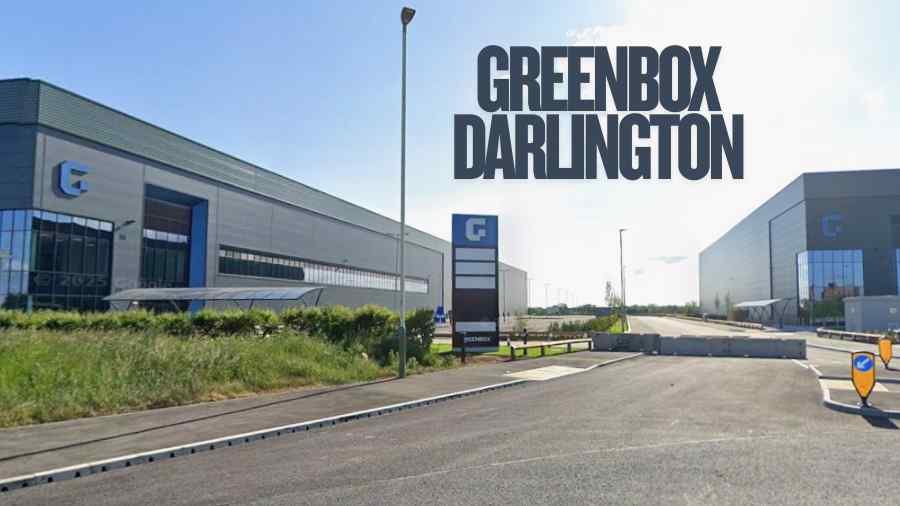
Greenbox Darlington is rapidly becoming a landmark in the industrial and logistics sector, not merely for its size but for the way it integrates sustainability and operational efficiency into every stage of its design. This development stands out as one of the UK’s most forward-thinking examples of combining large-scale logistics infrastructure with genuine environmental performance. For developers, investors, and supply chain operators, Greenbox Darlington represents a blueprint for the future of logistics — where commercial success and environmental responsibility go hand in hand.
Origins and Strategic Partnership
A Joint Venture with a Purpose
Greenbox Darlington was developed through a joint venture between Partners Group, a global private markets investment firm, and Citivale, a UK-based logistics and asset management specialist. Their shared goal was to create high-quality logistics spaces that would not only meet modern operational needs but also lead the way in environmental performance. From the very beginning, the focus was on creating Grade A industrial units that achieved excellence in both functionality and sustainability.
Site Selection and Context
Located on Tornado Way in Darlington, this 24-acre site was strategically chosen for its access to key transport routes. The A66 and A1(M) connect the development to major distribution networks across the North East and beyond. The location allows for efficient last-mile deliveries and quick access to major urban centres like Middlesbrough, Stockton, and Durham. The area is also part of a wider plan to attract innovative industries, supporting Darlington’s ambition to become a leading logistics and industrial hub.
Design Philosophy: Sustainability as Core, Not Add-On
Net Zero Carbon in Construction and Operation
The foundation of Greenbox Darlington’s design is its commitment to achieving net zero carbon in both construction and ongoing operations. Every stage of the build — from material sourcing to energy systems — has been assessed for environmental impact. During construction, low-carbon fuel alternatives were used to reduce emissions, and recycled materials such as steel and aggregates were prioritised. The project achieved significant reductions in embodied carbon and diverted all construction waste away from landfill.
The completed buildings are designed to operate efficiently, with photovoltaic-ready roofs that support solar panels, smart energy systems, and low-energy lighting. The site is also equipped with rainwater harvesting, high-efficiency insulation, and intelligent heating and cooling systems that adapt to operational needs while minimising waste.
High Environmental Standards
Greenbox Darlington was designed to meet exceptional environmental standards. It targets BREEAM “Excellent” certification and an EPC A rating, placing it among the highest-performing logistics developments in the country. These standards ensure that the buildings consume less energy, have lower operating costs, and maintain a smaller carbon footprint over time. Such credentials make Greenbox Darlington an attractive choice for tenants committed to meeting their environmental, social, and governance (ESG) targets.
Smart Material Use and Efficient Structure
The use of recycled and low-carbon materials was a major consideration in Greenbox’s construction. Recycled steel, low-carbon concrete, and sustainable insulation materials were incorporated to reduce embodied carbon. Large skylights maximise natural lighting, decreasing energy consumption during daylight hours. The floors were built with heavy-duty FM2 slabs that can handle substantial industrial loads, ensuring durability and flexibility for a wide range of uses. Landscaping was also designed to promote biodiversity, creating a more natural and appealing environment.
Key Specifications and Layout
Greenbox Darlington consists of three large industrial units ranging in size from approximately 84,000 to 215,000 square feet, collectively offering over 400,000 square feet of high-specification logistics space. Each unit features high clear internal heights of up to 15 metres, generous yard depths of up to 50 metres, and a combination of dock-level and level-access loading doors for operational flexibility.
The buildings include spacious offices fitted to Cat A standard, providing tenants with modern working environments ready for customisation. Parking areas include electric vehicle charging points, and service yards are designed to accommodate heavy goods vehicle manoeuvring with ease. All buildings are secured with 24-hour gated access and equipped with advanced fire safety and lighting systems.
Market Appeal and Letting Strategy
A Speculative Build with Confidence
Greenbox Darlington was built speculatively, meaning construction began before tenants were secured. This approach demonstrates the developers’ confidence in the site’s location, quality, and long-term demand for sustainable logistics space. The development’s green credentials are a major selling point, attracting occupiers who want facilities aligned with their sustainability commitments.
Early Success and Tenant Interest
The development achieved practical completion in early 2025, and by mid-year had secured its first major letting. Leading trade merchant Wolseley signed a lease for more than 100,000 square feet within the complex, demonstrating the growing appetite for net zero-ready logistics space. This early success not only validates the developers’ vision but also highlights a wider market trend: businesses are increasingly prioritising environmentally responsible facilities.
Connectivity and Workforce Access
One of Greenbox Darlington’s major strengths is its connectivity. The location offers immediate access to the A66 and A1(M), ensuring efficient distribution to major UK cities and ports. Within an hour’s drive, occupiers can reach Teesport, Newcastle Airport, and several urban centres, while the surrounding region provides a large, skilled workforce. This combination of transport links and labour availability makes it an ideal location for national logistics and manufacturing operations.
Economic, Environmental, and Social Impact
Environmental Impact
The developers estimate that more than 11,000 tonnes of carbon dioxide emissions were avoided during the construction phase compared to conventional methods, with additional offsets achieved through verified carbon credit schemes. The project demonstrates how industrial development can deliver tangible carbon savings without compromising scale or efficiency. In operation, the buildings are expected to maintain low energy demand through advanced systems, renewable integration, and continuous monitoring.
Economic Benefits
Greenbox Darlington contributes to the economic revitalisation of the North East by creating both short-term construction jobs and long-term employment in logistics, operations, and management. The presence of such a high-quality logistics park boosts investor confidence and encourages further development in the region. It also enhances the area’s reputation as a leader in sustainable industrial innovation.
Community and Regional Value
Beyond its direct economic role, Greenbox Darlington sets an example for responsible development. It reflects a shift towards industrial projects that coexist with environmental and social values. By combining job creation with environmental care, it helps redefine what modern industrial estates can represent for their communities.
Challenges and Considerations
Balancing Costs and Sustainability
While the project’s sustainability achievements are impressive, they come at a higher initial cost. Developers and tenants must recognise that such investments lead to long-term operational savings and reputational benefits. The challenge lies in maintaining affordability without compromising environmental integrity.
Verification and Ongoing Performance
Ensuring that the site maintains its net zero status will require ongoing monitoring, reporting, and adjustment. Transparency and third-party verification are essential to avoid claims of greenwashing. Greenbox Darlington’s developers have indicated that they will maintain robust tracking to ensure actual performance aligns with design targets.
Market Adaptation
As the logistics sector evolves, so too must the facilities that serve it. Greenbox Darlington’s flexible infrastructure allows adaptation for future technologies such as advanced automation, renewable energy storage, or hydrogen-based systems. However, maintaining that flexibility requires continued investment and foresight.
Future Prospects
A Model for Future Developments
Greenbox Darlington is not an isolated project; it forms part of a wider movement toward sustainable logistics real estate in the UK. If its success continues, it could serve as a model for replication in other regions, helping to decarbonise industrial property portfolios across the country. The project’s balance of technical excellence, environmental ambition, and commercial sense demonstrates how the logistics industry can evolve to meet modern expectations.
Evolving Tenant Expectations
Occupiers today are not just looking for space; they are looking for values. As sustainability becomes central to corporate strategy, developments like Greenbox Darlington will set new expectations. Future tenants will demand buildings that not only deliver performance but also align with their brand identity and environmental commitments.
Integration with Renewable Energy Networks
With growing emphasis on grid resilience and decentralised energy, logistics parks like Greenbox Darlington could play an important role in supporting local energy networks. Their large roof areas and smart electrical systems make them well-suited for solar generation, battery storage, and demand response participation, creating potential new revenue streams.
Conclusion
Greenbox Darlington stands as a beacon of how industrial and logistics development can evolve responsibly. By combining strong environmental credentials with strategic location, high-grade design, and commercial viability, it represents a turning point in how the UK approaches logistics infrastructure. The project proves that net zero development is not only achievable but also economically sound when executed with expertise and vision.
Its success sends a clear message to the property and logistics industries: sustainability is no longer optional — it is the foundation of future competitiveness. As more companies adopt net zero goals, facilities like Greenbox Darlington will lead the way, showing that green design and business growth can thrive side by side.