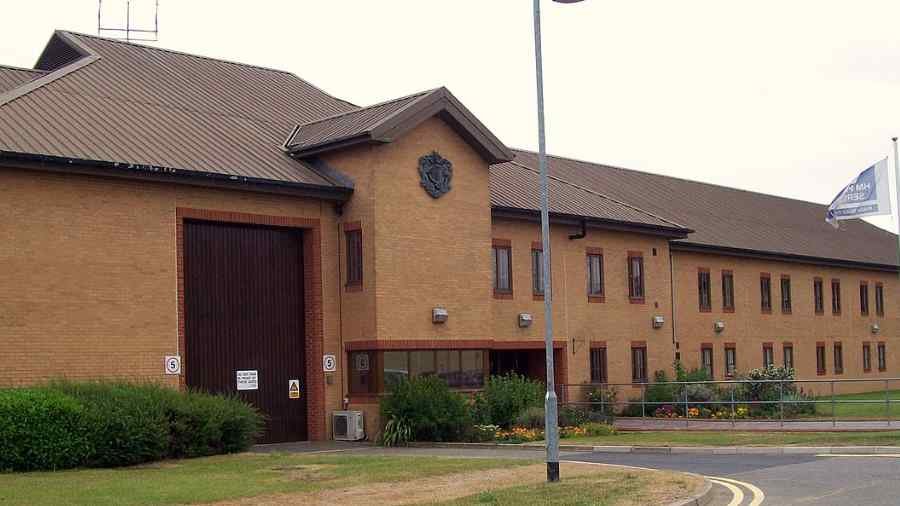
HMP Littlehey is one of the most discussed and, at times, misunderstood prisons in England. Located in Cambridgeshire, it plays a highly specialised role within the UK prison estate. Unlike many correctional facilities that hold a wide mix of offenders, HMP Littlehey is known for its focused population, structured regime, and emphasis on long-term rehabilitation.
Over the years, the prison has evolved in response to changes in sentencing, public protection priorities, and the growing need for targeted rehabilitation programmes. Today, it stands as a significant example of how modern prisons attempt to balance security, safety, dignity, and reform.
What Is HMP Littlehey?
HMP Littlehey is a Category C male prison, meaning it holds individuals who cannot be trusted in open conditions but are considered unlikely to make a determined escape. The prison is operated by His Majesty’s Prison and Probation Service and primarily accommodates adult men convicted of sexual offences.
This specialist role shapes almost every aspect of the establishment, from security procedures to education, healthcare, and psychological support services.
Location and Setting
HMP Littlehey is situated near the village of Perry, close to Huntingdon in Cambridgeshire. The prison is set within a semi-rural environment, which provides a relatively calm physical setting compared to inner-city prisons.
The surrounding landscape has influenced the prison’s layout and development, allowing for gradual expansion over time. While the location is quiet, the facility itself is large and complex, housing well over a thousand prisoners.
A Brief History of HMP Littlehey
Origins
The site originally functioned as a youth custody centre and borstal during the mid-20th century. In 1988, it was redeveloped and reopened as HM Prison Littlehey, transitioning into an adult male prison.
Evolution into a Specialist Prison
A major turning point came in the 2010s, when the prison was re-roled to focus almost exclusively on men convicted of sexual offences. This shift reflected a broader strategy within the prison system to concentrate specialist resources in dedicated establishments.
The change allowed staff to develop tailored regimes, specialist treatment programmes, and long-term management strategies suited to the needs and risks of this population.
Prison Category and Security Level
As a Category C prison, HMP Littlehey sits between high-security prisons and open conditions.
Key features of its security model include:
Secure perimeter fencing and controlled access points
Internal movement restrictions based on risk assessments
Supervised work, education, and association periods
Gradual progression opportunities for eligible prisoners
Security at Littlehey is designed to be firm but not oppressive, supporting rehabilitation while maintaining public safety.
Prison Population and Demographics
The population at HMP Littlehey is distinct in several ways:
Adult males only
Primarily individuals convicted of sexual offences
A significant number of long-term and indeterminate sentences
A higher-than-average proportion of older prisoners
This demographic profile has led to specialised services, particularly in healthcare, mental health support, and mobility-friendly accommodation.
Accommodation and Prison Layout
Residential Units
HMP Littlehey consists of multiple residential wings spread across two main areas, often referred to as separate sites within the prison. Accommodation ranges from shared cells to single-occupancy units, depending on sentence stage, behaviour, and individual needs.
Facilities for Older Prisoners
Due to its ageing population, the prison has adapted facilities to support older inmates. These include:
Ground-floor accommodation where possible
Enhanced healthcare access
Support for mobility and chronic health conditions
Daily Life at HMP Littlehey
Structured Routine
Life at HMP Littlehey follows a structured daily schedule. A typical day includes:
Morning unlock and roll checks
Work or education sessions
Lunch and association periods
Afternoon activities or programmes
Evening lock-up
This predictable routine is intended to promote stability, responsibility, and engagement.
Work Opportunities
Prisoners may work in a variety of roles, such as:
Workshops and light manufacturing
Cleaning and maintenance
Kitchens and food services
Prison industries and service roles
Work provides not only purposeful activity but also opportunities to build discipline and transferable skills.
Education and Skills Development
Education is a central pillar of HMP Littlehey’s regime. Many prisoners arrive with limited formal qualifications, and the prison aims to address this gap.
Academic Learning
Courses often include:
Literacy and numeracy
Functional skills qualifications
IT and digital skills
Distance learning support for higher education
Vocational Training
Practical training opportunities may involve:
Construction-related skills
Carpentry and joinery
Catering and food hygiene
Basic engineering and maintenance
These programmes are designed to improve employability and support reintegration upon release.
Rehabilitation and Treatment Programmes
Focus on Behavioural Change
Given the nature of the offences involved, HMP Littlehey places strong emphasis on accredited behavioural programmes. These initiatives aim to:
Help prisoners understand offending patterns
Encourage accountability
Develop strategies to manage risk
Reduce the likelihood of reoffending
Psychological and Therapeutic Support
Specialist psychologists, therapists, and trained facilitators work with prisoners over extended periods. Progress is carefully assessed, as many individuals serve long sentences with structured reviews.
Healthcare and Wellbeing
Physical Healthcare
HMP Littlehey provides on-site healthcare services equivalent to community standards. This includes:
GP services
Chronic illness management
Medication support
Referrals to external specialists when required
Mental Health Support
Mental health needs are significant within the prison. Support includes:
Mental health assessments
Counselling and therapy
Support for anxiety and depression
Crisis intervention services
The aim is to stabilise wellbeing and support long-term rehabilitation.
Safety, Order, and Staff-Prisoner Relationships
One of the defining characteristics of HMP Littlehey is its generally calm atmosphere compared to many other prisons. This is often attributed to:
A more stable population
Experienced staff trained in specialist work
Clear expectations and consistent routines
Positive staff-prisoner relationships are widely seen as essential to maintaining order and encouraging engagement with rehabilitation.
Inspection Findings and Public Scrutiny
Like all prisons in England and Wales, HMP Littlehey is subject to regular independent inspections. Reports have highlighted both strengths and areas for improvement.
Commonly noted strengths include:
Strong leadership and management
Generally respectful treatment of prisoners
Effective delivery of specialist programmes
Areas sometimes identified for improvement include:
Maintenance of ageing facilities
Access to certain healthcare services
Expanding activity spaces and resources
These inspections play a key role in shaping ongoing improvements.
Visiting HMP Littlehey
Visiting Arrangements
Visits must be booked in advance and follow strict security rules. Visitors are required to provide valid identification and comply with dress codes and conduct guidelines.
Importance of Family Contact
Maintaining family ties is recognised as an important factor in rehabilitation. The prison facilitates visits in a controlled environment, supporting positive relationships while ensuring safety.
Public Perception and Media Attention
HMP Littlehey has attracted public and media attention over the years due to its specialist role and, at times, high-profile inmates. This attention can lead to misconceptions.
It is important to understand that the prison’s purpose is not leniency but risk management, rehabilitation, and public protection. Its focused approach reflects broader criminal justice strategies rather than individual cases.
The Role of HMP Littlehey in the UK Prison System
Within the wider prison estate, HMP Littlehey serves a critical function. By concentrating specialist expertise in one location, the system aims to:
Improve treatment quality
Manage risk more effectively
Provide consistent progression pathways
Reduce long-term reoffending
This model is increasingly seen as essential for managing complex offender groups.
Conclusion
HMP Littlehey represents a modern, specialist approach to imprisonment in England. By focusing on a specific population and delivering structured rehabilitation, education, and treatment programmes, the prison plays a vital role in public protection and long-term risk reduction.
While challenges remain, particularly around infrastructure and healthcare demands, HMP Littlehey continues to demonstrate how targeted prison models can support safer communities. Understanding its purpose and daily operation offers valuable insight into the evolving nature of the UK prison system and the complex balance between security, care, and rehabilitation.
FAQs
What type of prison is HMP Littlehey?
HMP Littlehey is a Category C male prison that primarily holds adult men convicted of sexual offences.
Where is HMP Littlehey located?
The prison is located near Perry, close to Huntingdon, in Cambridgeshire, England.
Is HMP Littlehey a high-security prison?
No, it is not a high-security prison. It is classified as Category C, meaning prisoners are considered unlikely to escape but cannot be held in open conditions.
Does HMP Littlehey focus on rehabilitation?
Yes, rehabilitation is a central focus, with extensive education, treatment, and behavioural programmes tailored to its specialist population.
Can prisoners receive visits at HMP Littlehey?
Yes, prisoners can receive visits, but all visits must be booked in advance and follow strict rules and security procedures.