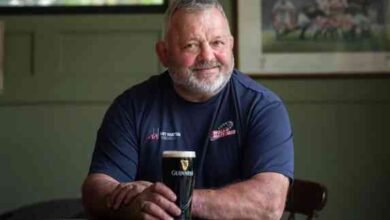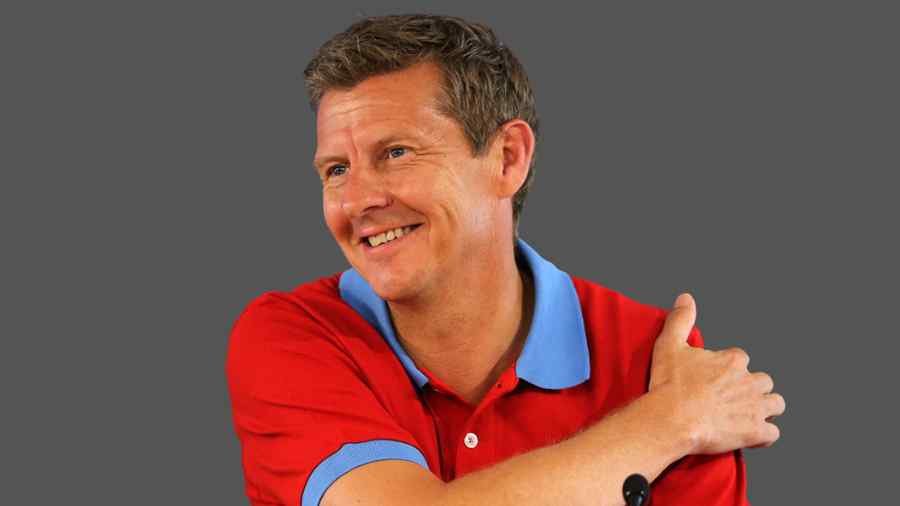
Marcus Cram is a name that resonates quietly but confidently within the United Kingdom’s endurance cycling community. Known for his involvement in competitive cycling and his behind-the-scenes contribution to endurance and multi-sport events, he represents a growing group of athletes who combine performance, planning, and community engagement. Rather than seeking widespread publicity, Marcus Cram has built his reputation through consistency, practical expertise, and meaningful involvement in British cycling culture.
Early Interest in Cycling and Sport
Like many British cyclists, Marcus Cram’s involvement in the sport developed gradually through personal interest rather than instant professional ambition. Cycling in the UK has long been shaped by club culture, where riders learn discipline, teamwork, and respect for the sport. Marcus’s early engagement with cycling reflected this tradition, focusing on steady improvement, physical conditioning, and a deep understanding of road racing.
Growing up and riding in the North East of England, he was exposed to varied terrain, from rolling country roads to demanding climbs. This environment naturally shaped his riding style and helped him develop endurance, a quality that would later define both his competitive and organisational roles.
Competitive Cycling Career
Marcus Cram is recognised as a competitive cyclist who has taken part in officially sanctioned UK races. His participation in road racing and hill climbing placed him among serious domestic competitors who train rigorously while balancing other professional or personal commitments.
Hill climbing, in particular, is one of the most respected and physically demanding disciplines in British cycling. It requires explosive power, mental strength, and precise pacing, all qualities that Marcus demonstrated through his race participation. His results and points earned in British Cycling events highlight his active role in regional and national-level competition, particularly during the late 2010s.
While Marcus Cram has never positioned himself as a full-time professional rider, his competitive record reflects dedication and discipline. This level of commitment commands respect within cycling circles, especially among riders who understand the demands of balancing training with wider responsibilities.
Connection with Blaydon Cycling Club
One of the most important aspects of Marcus Cram’s cycling identity is his association with Blaydon Cycling Club. Based in the North East of England, the club has a strong reputation for supporting riders across multiple disciplines, including road racing, time trials, and hill climbs.
Cycling clubs play a vital role in British sport, offering structure, coaching, and camaraderie. Through his involvement with Blaydon Cycling Club, Marcus not only competed but also became part of a community focused on shared progress and mutual support. This environment helped refine his understanding of cycling from both an athlete’s and an organiser’s perspective.
Club culture also encourages riders to give back, and Marcus’s later involvement in event organisation reflects this ethos.
Transition from Rider to Organiser
Many experienced cyclists eventually contribute to the sport beyond racing, and Marcus Cram is a strong example of this transition. His shift towards endurance event organisation was a natural progression, driven by firsthand knowledge of what makes an event challenging, safe, and rewarding.
As a rider, Marcus understood the importance of route quality, elevation balance, surface conditions, and logistical support. These insights proved invaluable when he became involved in planning endurance cycling events. Rather than viewing cycling purely as competition, he approached it as a complete experience that includes preparation, navigation, and mental endurance.
Involvement in The Northumbrian Endurance Event
One of Marcus Cram’s most recognised contributions is his involvement with The Northumbrian, a demanding endurance cycling event known for its carefully designed routes and uncompromising standards. The event attracts riders seeking a serious physical and mental challenge rather than mass-participation spectacle.
Marcus played a role in route design and planning, a responsibility that requires detailed knowledge of terrain, rider fatigue, and safety considerations. Designing routes for endurance events is not simply about distance; it involves understanding how gradients accumulate, how weather can affect conditions, and how riders interact with the environment over long hours.
His contribution helped shape an event that is respected for its authenticity and integrity within the endurance cycling community.
Route Design Philosophy
Marcus Cram’s approach to route design reflects a rider-first mentality. Routes must be demanding but fair, scenic yet practical, and challenging without being unnecessarily dangerous. This balance is particularly important in endurance cycling, where fatigue can magnify small issues into serious risks.
His planning work demonstrates attention to detail, including road quality, access for support crews, and clear navigation. Such considerations often go unnoticed by participants, but they are essential to a successful event. Marcus’s background as a competitive cyclist gives him an advantage in anticipating rider needs and potential difficulties.
Contribution to Multi-Sport Challenges
Beyond cycling-only events, Marcus Cram has also been involved in organising multi-sport endurance challenges that include cycling as a key component. These events require coordination between different disciplines, such as running and cycling, and demand precise scheduling and logistical integration.
In multi-sport challenges, the cycling segment must align smoothly with other activities, accounting for transition points and varying levels of participant fatigue. Marcus’s involvement in this area highlights his adaptability and broader understanding of endurance sport as a whole.
Impact on the Endurance Sports Community
Although Marcus Cram may not be widely known outside specialist circles, his influence within the endurance sports community is meaningful. Events shaped by experienced organisers tend to attract committed participants who value quality and authenticity.
By contributing to well-run endurance challenges, Marcus supports:
- Grass-roots athletic participation
- Regional sporting culture
- Long-distance cycling traditions in the UK
- Safe and sustainable event standards
His work enables riders to test themselves in environments that are both demanding and responsibly managed.
Personal Reputation and Professional Conduct
Within the cycling and endurance event world, reputation matters. Marcus Cram is regarded as reliable, knowledgeable, and committed to maintaining high standards. He represents a professional attitude rooted in experience rather than self-promotion.
This reputation has been built over time through consistent involvement rather than short-term visibility. Riders and organisers alike value individuals who understand the realities of endurance sport, and Marcus fits this profile well.
The Importance of Behind-the-Scenes Contributors
Endurance events depend heavily on individuals who work away from the spotlight. Route planners, logistics coordinators, and organisers play a critical role in ensuring that events are safe, fair, and memorable.
Marcus Cram exemplifies this role. His contribution may not always be visible to participants, but it is felt through the smooth operation and quality of the events he supports. This behind-the-scenes dedication is essential to maintaining the integrity of endurance sport in the UK.
British Cycling Culture and Marcus Cram’s Place Within It
British cycling has a long tradition of club-based participation, endurance challenges, and volunteer-driven events. Marcus Cram’s journey aligns closely with this tradition. He is part of a generation of cyclists who value depth, preparation, and respect for the sport.
Rather than chasing fame, his focus remains on contributing meaningfully to the cycling ecosystem. This approach ensures that endurance cycling remains accessible, challenging, and true to its roots.
A Balanced Approach to Sport and Commitment
One of the defining characteristics of Marcus Cram’s profile is balance. He demonstrates that it is possible to compete seriously, contribute professionally, and remain grounded within the community. This balance is increasingly important in modern sport, where commercial pressures can sometimes overshadow core values.
His work reflects a belief that endurance sport should reward preparation, resilience, and respect for both fellow athletes and the environment.
Conclusion
Marcus Cram stands as a respected figure in British endurance cycling, known for his competitive background, his association with Blaydon Cycling Club, and his significant role in endurance event organisation. Through his involvement in events such as The Northumbrian and multi-sport challenges, he has contributed to the quality and sustainability of endurance sport in the UK.
While he may not seek widespread recognition, Marcus Cram’s impact is evident in the experiences of the riders who participate in the events he helps shape. His journey reflects the values of British cycling at its best: dedication, community, and a quiet commitment to excellence.