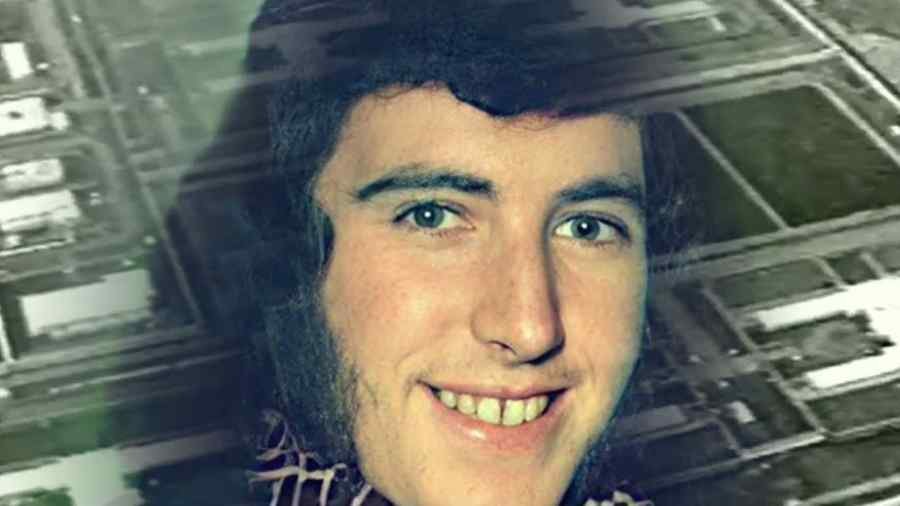
The history of modern Ireland is marked by individuals whose lives became symbols of wider political struggle, sacrifice, and identity. Among these figures, Martin Hurson occupies a solemn and powerful place. His name is inseparable from the 1981 Irish hunger strike, a moment that reshaped political consciousness in Northern Ireland and reverberated far beyond its borders. Martin Hurson was not a politician in the conventional sense, nor a public intellectual seeking recognition. He was a young man from a rural Tyrone community whose life, imprisonment, and death became emblematic of resistance, conviction, and controversy.
Early Life and Family Background
Martin Hurson was born in September 1956 in Cappagh, a small rural area in County Tyrone, Northern Ireland. He grew up in a large Catholic family, one of nine children, in a community shaped by tight social bonds, shared traditions, and the realities of economic hardship. Life in rural Tyrone during the 1960s and 1970s was modest, with limited opportunities for young people and a strong emphasis on family and community.
From an early age, Hurson experienced the political tensions that defined Northern Ireland. The civil rights movement, sectarian divisions, and increasing militarisation of daily life were not abstract ideas but lived realities. Checkpoints, raids, and confrontations were part of the landscape, particularly in nationalist areas. These conditions influenced many young men of his generation, shaping how they understood identity, injustice, and resistance.
Before his arrest, Martin Hurson trained as a welder and spent time working in England, as many young Irish men did in search of employment. This experience broadened his outlook but did not distance him from the political situation back home. On returning to Tyrone in the mid-1970s, he found a region increasingly affected by violence and state security operations, reinforcing the sense that everyday life was inseparable from politics.
Political Context of His Youth
To understand Martin Hurson’s choices, it is essential to grasp the wider political environment of Northern Ireland at the time. The late 1960s and 1970s saw the escalation of The Troubles, a conflict involving republican paramilitaries, loyalist groups, and the British state. Nationalist communities often felt marginalised, over-policed, and excluded from political power.
Many young men in areas like East Tyrone viewed involvement in republican organisations as a response to perceived injustice rather than criminality. Whether one agrees with this perspective or not, it formed the social and political backdrop to Hurson’s life. The introduction of internment without trial, aggressive security policies, and controversial interrogation methods further intensified resentment and radicalisation.
Martin Hurson became associated with republican activism during this period. His involvement was not unusual for someone of his age and background, though it would ultimately place him on a path leading to long-term imprisonment.
Arrest and Conviction
In November 1976, Martin Hurson was arrested along with several others in connection with IRA activities in East Tyrone. He was charged with offences related to landmine attacks on security forces. The arrest came at a time when the British government was pursuing a policy of criminalisation, aiming to treat paramilitary prisoners as ordinary criminals rather than political detainees.
Hurson was convicted and sentenced to multiple prison terms, which ran concurrently. Like many republican prisoners of the era, he maintained that his confession had been obtained under duress. Allegations of physical and psychological pressure during interrogation were common in such cases and became a major source of controversy and grievance.
His conviction marked the beginning of a prison experience that would define the rest of his life. For Hurson, imprisonment was not merely a punishment but part of an ongoing political struggle.
Life in Prison and the Blanket Protest
Following his conviction, Martin Hurson was imprisoned in the Maze Prison, also known as Long Kesh. By this time, the British government had withdrawn Special Category Status for paramilitary prisoners, a move that effectively stripped them of political recognition. Prisoners were required to wear prison uniforms and perform prison work, conditions they viewed as criminalisation.
In response, republican prisoners began the blanket protest, refusing to wear prison uniforms and instead wrapping themselves in blankets. This protest escalated into the no-wash protest, where prisoners refused to wash or clean their cells. Hurson participated fully in these protests, enduring harsh living conditions for years.
Life during the blanket and no-wash protests was physically and mentally punishing. Prisoners faced cold, filth, isolation, and frequent confrontations with prison authorities. Yet many, including Hurson, believed these sacrifices were necessary to resist what they saw as an attempt to erase the political nature of their imprisonment.
The 1981 Hunger Strike
By 1981, after years of protest, republican prisoners turned to hunger strike as a last resort. The hunger strike aimed to secure five demands, including the right not to wear a prison uniform and the right to free association with other prisoners. It was a calculated and deeply risky form of protest, intended to force political change through moral pressure.
Martin Hurson joined the hunger strike on 28 May 1981, replacing another prisoner who had come off the protest. Unlike some earlier hunger strikers, Hurson entered the strike when public and international attention was already intense, following the death of Bobby Sands and others.
Hurson’s physical condition deteriorated rapidly. He suffered from severe muscle cramps and intense pain, which some attributed to the damage his body had already sustained during years of harsh prison protest. After 46 days without food, Martin Hurson died on 13 July 1981, becoming the sixth hunger striker to lose his life.
Reaction to His Death
The death of Martin Hurson sparked widespread reaction across nationalist communities in Northern Ireland and beyond. His funeral drew large crowds, reflecting the depth of feeling surrounding the hunger strike. For supporters, he was a martyr who had sacrificed his life for dignity and political recognition. For critics, his death was a tragic and unnecessary loss, the result of a protest they viewed as misguided.
Internationally, the hunger strike continued to attract attention, putting pressure on the British government and reshaping political debate. While the government did not concede all the prisoners’ demands outright, changes introduced later effectively addressed many of the core issues.
Hurson’s death added to the cumulative impact of the hunger strike, reinforcing its emotional and political power.
Personal Life and Relationships
Beyond politics and protest, Martin Hurson was a son, brother, and partner. While in prison, he became engaged to his long-term girlfriend, Bernadette Donnelly. Their relationship, sustained under the strain of imprisonment and protest, highlights the personal costs borne not only by prisoners but also by their families and loved ones.
Family members often spoke of Hurson as a quiet, thoughtful individual, deeply committed to his beliefs. These personal recollections remind us that behind the political symbolism was a human life shaped by relationships, hopes, and ordinary experiences cut short.
Cultural Memory and Commemoration
Over the decades, Martin Hurson has been commemorated in murals, memorials, songs, and dramatic works. In nationalist areas, his image appears alongside other hunger strikers, serving as a visual reminder of sacrifice and resistance. Plays and community events have retold his story, ensuring that new generations learn about his life and the context in which he lived.
Such commemorations are not without controversy. They reflect differing interpretations of history and identity in Northern Ireland, where memory itself remains contested. For some, honouring Hurson is an act of remembrance and respect. For others, it raises difficult questions about violence and its legacy.
Historical Significance
Martin Hurson’s significance lies not in individual achievement but in what his life and death represent within a broader historical narrative. The hunger strike of 1981 marked a turning point in Irish republican politics, accelerating the move towards electoral participation and reshaping strategies that would later influence the peace process.
Hurson’s role in this moment underscores how individual actions, even by those without public power, can influence history. His death, alongside those of other hunger strikers, changed the tone of political debate and highlighted the human cost of unresolved conflict.
Understanding Martin Hurson Today
Today, Martin Hurson’s story invites reflection rather than simple judgement. It raises questions about protest, state power, moral conviction, and the limits of sacrifice. Understanding his life requires acknowledging the complexity of the period in which he lived, without reducing it to slogans or simplified narratives.
For readers seeking to understand Northern Ireland’s past, Hurson’s story offers insight into why the conflict endured for so long and why its memory remains potent. His life illustrates how personal identity, political belief, and historical circumstance can become inseparably intertwined.
Conclusion
Martin Hurson remains a powerful and emotive figure in Irish history. His journey from a rural upbringing in County Tyrone to his death on hunger strike encapsulates the intensity and tragedy of the Northern Ireland conflict. He was shaped by his time, yet his actions helped shape the political landscape that followed.
Remembering Martin Hurson is not about endorsing or condemning his choices in isolation. It is about recognising the human dimension of history and understanding how deeply held beliefs can drive individuals to extraordinary sacrifice. More than four decades after his death, Martin Hurson’s story continues to challenge, inform, and provoke reflection, ensuring his place in the enduring narrative of Ireland’s struggle and search for peace.