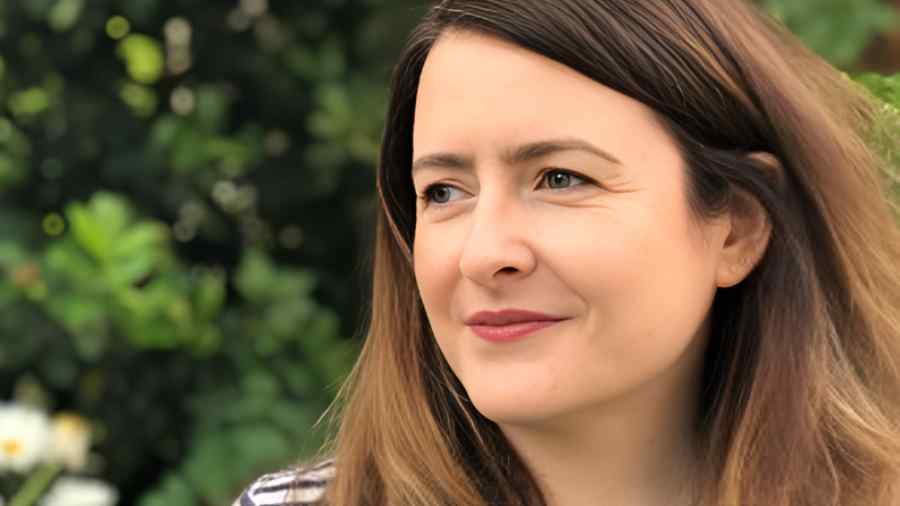
Maxine Alderton is one of the most captivating voices in British television writing today. A storyteller whose work effortlessly bridges emotion, intellect, and imagination, Alderton has carved her niche in an industry that demands both creativity and consistency. From her early beginnings as a script editor on Emmerdale to her globally recognised episodes for Doctor Who, she has demonstrated a remarkable ability to blend grounded human drama with extraordinary concepts. Her journey is not merely one of professional success; it represents the evolution of a writer who understands that at the heart of every great story lies truth, empathy, and character.
Early Life and Career Beginnings
Maxine Alderton’s journey into writing did not begin overnight. Like many talented writers, she honed her skills gradually, working within the structures of British television before emerging as a creative force of her own. Her early work as a script editor offered her an invaluable insight into the mechanics of storytelling. Working behind the scenes meant she developed an instinct for pacing, structure, and dialogue — essential skills that would later define her style as a writer.
Her first major writing credit came with Emmerdale, one of the UK’s most beloved soap operas. Writing for Emmerdale required an extraordinary balance of speed and sensitivity. Each episode had to move the narrative forward while maintaining emotional realism for characters audiences had grown attached to for decades. Alderton’s tenure on the show helped her master these dynamics, and it wasn’t long before her scripts stood out for their emotional intelligence and depth.
Rising Recognition through Emmerdale
For many television writers, soap operas serve as the training ground where they sharpen their craft. For Alderton, Emmerdale was much more than a starting point; it became a showcase for her ability to tell human stories that resonated deeply. Her writing explored the complexities of family, morality, and community life — themes that transcend genre and geography.
Her exceptional work on Emmerdale did not go unnoticed. In 2017, she was awarded the Royal Television Society Yorkshire Award for Best Writer. This recognition established her as a writer capable of elevating traditional television formats with emotional authenticity. The award marked a turning point in her career, signalling that she was ready to tackle more ambitious and creatively challenging projects.
Transition to Genre Television
Having established herself as a talented writer in the realm of realistic storytelling, Maxine Alderton’s next move was both bold and inspired. She transitioned from soap operas to genre television — a shift that showcased her versatility. Her involvement in The Worst Witch allowed her to explore fantasy narratives while maintaining her signature emotional grounding. Writing for younger audiences required a different kind of storytelling rhythm, one that balanced imagination with relatable character arcs.
Her work on The Worst Witch became another example of her ability to adapt her style while maintaining her voice. The series, with its themes of self-discovery and courage, mirrored Alderton’s own creative evolution. It was also a project that demonstrated her ability to write for different demographics without compromising quality or emotional resonance.
Breakthrough with Doctor Who
Maxine Alderton’s true breakthrough on the global stage came with her involvement in Doctor Who, one of the longest-running and most celebrated television series in the world. Writing for Doctor Who is both an honour and a challenge — it requires an understanding of science fiction, historical drama, and character-driven storytelling all at once.
Her first contribution, The Haunting of Villa Diodati (Series 12), immediately captivated fans and critics alike. The episode, set in 1816 at the Villa Diodati, cleverly intertwined history with fiction, reimagining the night Mary Shelley conceived Frankenstein. Alderton’s writing blended gothic atmosphere with emotional introspection, transforming a historical setting into a meditation on creation, mortality, and fear.
Viewers and reviewers praised her ability to balance tension and tenderness. The episode was lauded for its literary sophistication, sharp dialogue, and powerful performances — all of which stemmed from Alderton’s script. Many fans even regarded it as one of the best episodes of the modern Doctor Who era.
Following this success, she returned to co-write Village of the Angels (Series 13) with showrunner Chris Chibnall. Once again, her storytelling shone through. The episode revived the terrifying Weeping Angels while weaving in themes of loss, faith, and identity. Alderton demonstrated an innate understanding of what makes Doctor Who timeless: the ability to tell human stories within extraordinary circumstances.
Writing Style and Storytelling Approach
What makes Maxine Alderton’s writing distinctive is her deep understanding of character motivation and emotional rhythm. She doesn’t rely solely on plot twists or visual spectacle; instead, she crafts narratives that grow organically from her characters’ inner lives. This quality is especially visible in her Doctor Who scripts, where she balances grand sci-fi ideas with emotional realism.
Her dialogue often carries a lyrical yet grounded tone, making even fantastical scenarios feel authentic. She weaves philosophical undertones subtly, inviting audiences to think without ever feeling lectured. Themes of creation, morality, and emotional connection recur throughout her work — a reflection of her fascination with what drives human behaviour.
Alderton’s background in drama writing also influences her ability to build tension through conversation rather than constant action. Her scenes often unfold through emotionally charged exchanges that reveal vulnerability, strength, and transformation.
Beyond Doctor Who: All Creatures Great and Small
After her success in Doctor Who, Alderton continued her exploration of character-driven narratives through All Creatures Great and Small. The period drama, based on James Herriot’s classic books, celebrates compassion, rural life, and the beauty of simplicity.
Writing for this series allowed Alderton to showcase a different side of her storytelling talent. Whereas Doctor Who required balancing the extraordinary, All Creatures Great and Small demanded subtlety. Here, the power lies in the quiet moments — in empathy, humour, and humanity. Alderton handled these elements with finesse, proving once again her ability to adapt her craft to suit the tone and emotional heartbeat of any story.
Recognition and Legacy
Maxine Alderton’s growing influence in British television is undeniable. Her writing bridges genres and generations, inspiring both emerging writers and long-time viewers. In an industry often dominated by male voices, Alderton’s success is particularly significant. She stands as a testament to the creative power of women in British screenwriting, paving the way for a new generation of storytellers.
Her fans often cite her ability to create emotionally resonant moments that linger long after an episode ends. Whether she’s writing about time travel, village life, or magical schools, her stories share one constant quality — they remind audiences of what it means to be human.
The Art of Emotional Connection
What sets Alderton apart from many of her contemporaries is her commitment to emotional truth. She understands that spectacle alone cannot sustain a story; it must be rooted in relatable emotion. Her characters — whether historical figures like Mary Shelley or fictional villagers in Yorkshire — are all driven by fear, love, hope, and regret. These universal emotions give her stories depth and longevity.
Her Doctor Who episodes, for example, often linger on themes of creation and consequence. In The Haunting of Villa Diodati, the act of creation becomes both a gift and a burden — a metaphor for storytelling itself. Alderton uses genre storytelling as a mirror to explore deeper human experiences.
Influence on Modern British Television
Alderton’s success illustrates how British television continues to thrive on strong writing rather than mere spectacle. She represents a new wave of screenwriters who are redefining how genre and drama coexist. Her work contributes to the growing recognition of writers as the true architects of television storytelling.
In an age where streaming platforms have globalised content, writers like Alderton ensure that British television maintains its distinctive voice — one that values intelligence, heart, and authenticity. Her blend of emotional insight and creative ambition places her among the most respected writers working today.
Future Prospects
As her career continues to evolve, audiences eagerly await Maxine Alderton’s next projects. Whether she returns to Doctor Who or embarks on entirely new ventures, her creative future looks bright. Her storytelling has already proven adaptable across genres, from soap operas to science fiction to period drama. With her reputation for excellence growing, it’s likely that she will play a vital role in shaping the future of British television writing.
Conclusion
Maxine Alderton’s journey exemplifies the power of storytelling to transcend boundaries. From the fields of Emmerdale to the haunted halls of Doctor Who and the countryside of All Creatures Great and Small, she has consistently delivered stories that connect intellect with emotion. Her writing captures the essence of humanity, reminding viewers that great television is not just about what we see, but what we feel.
Through her dedication, emotional insight, and artistic bravery, Maxine Alderton stands as one of the defining writers of modern British television — a voice that continues to inspire, entertain, and elevate the craft of storytelling itself.