Rumba Shaker: The Rhythmic Heartbeat of Latin Music and Culture

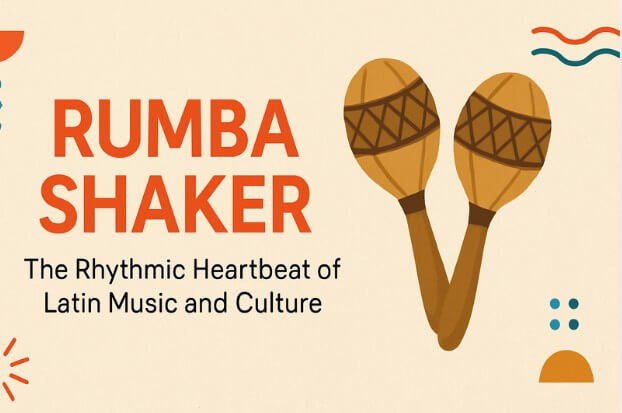
The rumba shaker, often known as a maraca, is one of the most recognisable percussion instruments in the world. With its crisp and lively sound, it has the power to uplift any musical performance and transport the listener straight into the heart of Latin rhythm. Whether used in the vibrant streets of Havana, the stages of Rio de Janeiro, or modern pop and fusion music, the rumba shaker represents more than just an instrument—it embodies rhythm, movement, and joy.
Table of Contents
ToggleThe Origins of the Rumba Shaker
The story of the rumba shaker begins long before the rise of Latin music. Its roots trace back to the indigenous cultures of South America and the Caribbean, where early versions of the shaker were used in rituals, storytelling, and community gatherings. These early instruments were often made from dried gourds filled with seeds or pebbles, creating the rattling sound we know today.
The word “maraca” itself is believed to have originated from the Guaraní language of South America, referring to the sound of shaking or rattling. Over centuries, this primitive percussion instrument evolved, spreading across continents through trade, colonisation, and cultural exchange. When African rhythms merged with Caribbean and Latin traditions, the rumba shaker found its permanent place in music history.
Connection to Rumba and Latin Rhythms
The name “rumba shaker” comes from its prominent use in rumba, a Cuban dance and music genre that emerged in the late nineteenth century. Rumba music is rich with polyrhythms—interlocking rhythms played by multiple percussion instruments such as congas, bongos, and claves. The shaker fits perfectly into this rhythmic ecosystem, adding brightness and movement to the groove.
Rumba, like many Afro-Cuban genres, is not just music—it is an expression of cultural identity, spirituality, and community. The rumba shaker’s steady motion mirrors the dance steps of rumba dancers, symbolising the connection between rhythm and body movement. Its sound becomes the heartbeat that keeps the dancers in sync, turning performance into pure energy.
Construction and Design of the Rumba Shaker
Although modern rumba shakers come in various shapes and materials, the core design has remained remarkably consistent throughout history. It typically consists of two parts: the hollow shell (or resonator) and the filler material inside.
1. The Shell
The body of the rumba shaker is traditionally made from a dried gourd or calabash. However, in modern manufacturing, wood, leather, and plastic are also widely used. Wooden shakers produce a warm, natural tone, while plastic versions offer a bright, crisp sound suitable for louder performances or outdoor events.
2. The Filler
Inside the shaker are small beads, seeds, metal pellets, or stones. The density, shape, and size of these fillers directly affect the instrument’s tone and volume. Smaller beads produce a quick, sharp rattle, while larger ones give a deeper, fuller sound.
3. The Handle
A handle is attached to make the instrument easy to grip and shake rhythmically. Some shakers have smooth wooden handles, while others use ergonomic designs for comfort during long performances.
4. Size and Pairing
Rumba shakers usually come in pairs, one for each hand, allowing the player to create complex rhythmic patterns. Some sets are tuned differently—one slightly higher and one lower—to add variety to the sound.
Playing Techniques and Rhythmic Patterns
Playing the rumba shaker may appear simple, but mastering it requires control, timing, and sensitivity. The sound depends on the motion of the hand and the way the filler material strikes the shell’s interior.
1. Basic Shake Technique
Hold the shaker firmly yet lightly and move it back and forth. The beads inside hit the walls and create the characteristic “chac-chac” sound. Beginners often start with this basic rhythm before moving on to more intricate patterns.
2. Accents and Dynamics
By controlling the speed and strength of the shake, players can create accents or softer tones. This ability gives the instrument its expressive potential—perfect for punctuating rhythmic phrases or building excitement in a song.
3. Circular Motion
Advanced players often use circular or wrist-based motion to maintain a continuous and even rhythm. This technique allows for smoother sound transitions and is common in professional Latin and world music settings.
4. Rhythmic Integration
In ensemble settings, the rumba shaker typically complements drums and other percussion instruments. It often plays offbeat or syncopated patterns to fill rhythmic spaces, enhancing the groove without overpowering it.
Role in Latin and World Music
The rumba shaker’s influence extends far beyond Latin music. Its bright, energetic sound has become a staple in numerous genres, from Afro-Caribbean music to pop, jazz, and even electronic fusion.
1. Afro-Cuban and Caribbean Music
In Cuban rumba, salsa, and son, the shaker plays an essential supporting role. It keeps time and reinforces the rhythm established by the claves and drums. Similarly, in Caribbean calypso and reggae, the shaker adds light texture and rhythm to the ensemble.
2. Brazilian Samba and Bossa Nova
In Brazil, variations of the rumba shaker, such as the “ganza,” appear in samba schools and bossa nova ensembles. The gentle swaying motion of these shakers mirrors the laid-back yet intricate feel of Brazilian rhythms.
3. Pop and Rock Music
Many modern producers use rumba shakers to give songs a human touch or a tropical flair. From The Rolling Stones to modern Latin-pop artists, the shaker’s sound has appeared in countless recordings.
4. Folk and Educational Settings
Because it’s easy to play and safe for children, the rumba shaker is widely used in schools, music therapy, and rhythm training sessions. Its simplicity makes it an ideal first instrument for developing coordination and rhythm awareness.
Cultural Symbolism of the Rumba Shaker
Beyond its musical purpose, the rumba shaker carries deep symbolic meaning. In many Latin American and African-derived cultures, rhythm represents life, movement, and community. The act of shaking—creating sound through motion—symbolises the heartbeat of human expression.
The rumba shaker also represents unity and cultural fusion. Its origins among Indigenous tribes, transformation through African influence, and adoption by Western music all demonstrate how music transcends boundaries. It tells a story of migration, resilience, and creativity, reminding the world that rhythm is a universal language.
Choosing the Right Rumba Shaker
Selecting a rumba shaker depends on the intended use and the sound you prefer. Here are some practical tips for musicians and enthusiasts:
1. Material Matters
Wooden shakers deliver a warm, organic tone suitable for acoustic performances. Plastic versions, however, are louder and more durable—ideal for stage shows or outdoor events.
2. Size and Comfort
Choose a shaker that fits comfortably in your hand. If it’s too large, you may lose control of the rhythm; too small, and the sound might be weak.
3. Tone and Volume
Before buying, shake the instrument gently to test the clarity and balance of its sound. Professional-grade rumba shakers often have a cleaner and more refined tone.
4. Pairing and Tuning
If you play with both hands, ensure your pair is well matched. Balanced tone and volume between the two are crucial for professional performances.
5. Visual Appeal
Many rumba shakers feature hand-painted designs or natural finishes. These aesthetic details add a cultural touch to the instrument, making it both musical and decorative.
Maintenance and Care
Taking good care of your rumba shaker ensures it lasts for years. Keep it away from moisture and extreme temperatures, as wooden bodies can crack or warp. After each performance, wipe it with a dry cloth to remove sweat or dust. If the handle becomes loose, use a mild adhesive or have it repaired by a craftsman to maintain the instrument’s integrity.
For plastic or synthetic models, avoid direct sunlight for long periods, as it may cause the material to fade or weaken. Storing the shaker in a padded bag will protect it from accidental drops or scratches.
Modern Relevance and Global Appeal
In today’s music industry, the rumba shaker remains as relevant as ever. It fits perfectly into modern recording environments, blending with electronic beats and acoustic instruments alike. Many music producers use digital samples of shakers to create realistic rhythm textures, proving that even in the age of digital sound, the natural resonance of a rumba shaker is irreplaceable.
Social media platforms like TikTok and YouTube have also revived interest in Latin instruments. Musicians and influencers often feature rumba shakers in short performances, tutorials, and rhythm challenges, introducing the instrument to younger audiences worldwide.
Beyond music, the rumba shaker has found a place in dance studios, meditation sessions, and even wellness retreats. The repetitive motion and sound rhythm have calming effects, making it a simple yet effective tool for stress relief and mindfulness.
Educational and Therapeutic Use
The rumba shaker’s accessibility makes it valuable in education and therapy. In schools, teachers use it to teach rhythm, coordination, and timing. For young children, it’s a fun way to explore sound and movement.
In music therapy, the instrument helps people express themselves without words. Shaking a rumba shaker can release tension, engage motor skills, and stimulate positive emotions. Its non-intimidating design encourages participation, even from those with no musical background.
The Timeless Appeal of Simplicity
What makes the rumba shaker remarkable is its simplicity. In a world filled with complex instruments and digital sounds, it reminds us that music doesn’t need to be complicated to be powerful. A simple shake can bring people together, uplift a mood, or spark creativity.
It is this purity of sound and motion that ensures the rumba shaker’s enduring legacy. From indigenous rituals to global pop concerts, it continues to unite people through rhythm and joy.
Conclusion
The rumba shaker is far more than a simple percussion instrument—it’s a bridge between cultures, a pulse of joy, and a timeless reminder of the power of rhythm. Its journey from ancient tribal ceremonies to modern recording studios symbolises music’s universal spirit.
With its easy playability, deep cultural roots, and distinctive sound, the rumba shaker continues to thrive as one of the most beloved instruments in the world. Whether you’re a professional musician, a teacher, or just someone who loves rhythm, the rumba shaker is a small but powerful way to connect with the heartbeat of music itself.