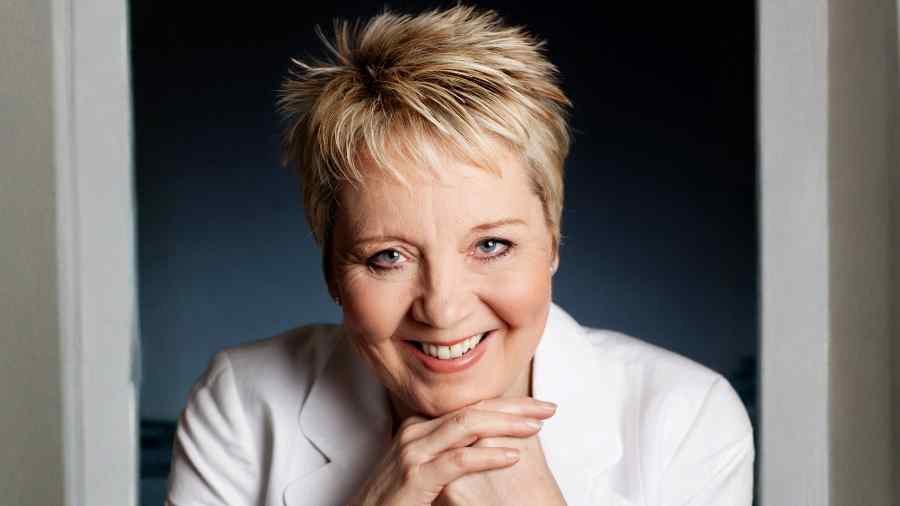
Susan Bickley stands among the most influential mezzo-sopranos of British opera, celebrated for her expressive voice, dramatic skill, and dedication to her craft. Over several decades, she has captivated audiences with performances rich in emotion, depth, and technical refinement. Her artistry does not merely entertain; it educates, inspires, and preserves the cultural significance of opera for future generations. In a world of evolving music trends, Susan Bickley remains a symbol of classical excellence and artistic integrity.
Early Life and Family Influence
Susan Bickley was born in Liverpool, a city renowned for its musical history. She grew up in an environment that nurtured creativity and sound. Music surrounded her from childhood, largely due to her father who played the church organ. It was in that same church where young Susan sang alongside her sibling, laying the foundation of what would become an international operatic career. Many great musicians begin in simple settings, and for Susan, the church choir became the first spark. She developed listening skills, vocal control, and early confidence as she participated in hymns, gatherings, and community performances.
The supportive atmosphere at home encouraged her curiosity. Children often learn most through exposure, and hearing music daily helped Susan identify tone, dynamics, and phrasing naturally. While some singers pursue music accidentally later in life, Susan’s path felt destined. She entered adulthood with a strong attachment to sound, expression, and performance.
Education and Artistic Training
After recognising her calling, Bickley pursued formal education in music. She studied at City University London, where she developed theoretical understanding, vocal discipline, and performance technique. University life introduced her to peers, mentors, and professional guidance. Academic training enabled her to analyse composition, read music fluently, and refine vocal projection.
Her next significant step was joining the Guildhall School of Music and Drama, one of the most respected institutions for performing arts. Here, she expanded her vocal range, stage presence, and artistic interpretation. She not only learned how to sing, but how to embody characters, how to breathe emotion into roles, and how to maintain voice health through demanding performances. While at Guildhall, she received the honour of the Gold Medal in Singing, a recognition given only to outstanding talent. This achievement signalled her readiness to enter the world of professional opera.
Journey to the Stage
The world of opera is competitive, rigorous, and demanding. It requires stamina, emotional intelligence, and discipline in addition to vocal skill. Susan Bickley stepped into this world prepared. Her early stage appearances were met with praise for the maturity in her tone and the clarity of her expression. Unlike some performers who take years to find footing, Susan adapted quickly, proving herself worthy of challenging roles.
As her reputation grew, she began performing with major opera companies throughout the United Kingdom and abroad. British opera houses recognised her unique presence, and soon she found herself performing at events, festivals, and theatrical productions that shaped her early professional years. With time, she mastered different music periods ranging from Baroque to contemporary. Her ability to transition between styles without losing the essence of the character became one of her strongest artistic qualities.
Vocal Style and Stage Presence
A mezzo-soprano voice lies beautifully between soprano brightness and contralto richness. Susan Bickley carries this range with grace. Her voice is known for its warm timbre, expressive delivery, and emotional resonance. Audiences often describe her singing as intimate yet powerful, capable of stirring tenderness or commanding authority. She does not rely solely on raw power; instead, she shapes notes with sensitivity, controls vibrato with precision, and allows each phrase to breathe naturally.
Her stage presence adds further strength to her performances. When she appears as a character, she becomes that character entirely. Whether portraying royalty, tragedy, motherhood, villainy, or mythological figures, she studies the role deeply, exploring personality, motive, and history. This preparation allows her to communicate beyond music, engaging audiences through story, expression, and emotional truth. Many opera enthusiasts admire her not only for voice but for authenticity, believing her performances to be honest and human rather than theatrical imitation.
Iconic Roles and Repertoire
Throughout her career, Susan Bickley has performed a wide variety of roles. She embraces early classical works with ornamented phrasing and interpretative nuance, while also engaging in modern compositions that challenge traditional expectations. Unlike some artists who limit themselves to a musical era, Susan thrives in complexity and diversity. Her performances include works from Handel, Purcell, Vivaldi, and contemporary composers whose creations bring fresh narratives to opera.
She has participated in major productions across leading opera houses and festivals. Audiences admire her commitment to each role, knowing that when Susan steps onto a stage, the character will be presented with integrity. She approaches every role with intellectual depth, researching historical context, vocal expectations, staging requirements, and emotional tone. Such thorough development contributes to performances that feel complete, well-thought-out, and immersive.
Beyond opera, she also appears in recitals and concert settings where the environment is more intimate. Without elaborate sets or costumes, the audience focuses entirely on voice and expression. Recitals reveal her vocal clarity and storytelling ability, proving that her artistry stands strong even without dramatic production.
Awards and Professional Recognition
Recognition is earned through excellence, and Susan Bickley has received ample acknowledgement for her contribution to classical music. One of the most notable honours of her career is winning the Royal Philharmonic Society Singer Award in 2011. This award is reserved for artists who demonstrate extraordinary influence and performance quality within classical music in the United Kingdom. Winning it reflects her standing as one of the country’s most accomplished mezzo-sopranos.
However, her success is measured not only by awards but by the respect she commands within musical communities. Conductors trust her interpretation. Directors value her reliability and expression. Young singers look up to her with hope and admiration. Newspaper reviewers often highlight the emotional sincerity and technical balance in her performances. She is recognised as a vocal force, a dramatic talent, and an artist whose work elevates the stage.
Influence on Modern British Opera
Opera, though historical, evolves continuously. New voices bring innovation while honouring tradition. Susan Bickley sits at this bridge. She protects classical heritage while supporting modern creativity. Her involvement in contemporary operas encourages living composers to write new roles and experiment with structure. Some vocalists prefer traditional repertoire, but Susan embraces both worlds, proving that opera is not frozen in time but alive and growing.
Her influence extends into education as well. Young musicians study her recordings to learn breath control, diction, phrasing, and emotional sincerity. Workshops and interviews featuring her provide insight into preparing roles, overcoming stage anxiety, and maintaining vocal health. By sharing knowledge, she nurtures the future of opera.
Human Character Beyond Fame
Artists are often admired on stage, but their true character shines behind it. Those who have worked alongside Susan describe her as grounded, professional, and approachable. Despite global recognition, she remains steady in manner. She is known to value cooperation, respect colleagues, and appreciate the collective effort of creative teams. Opera is never a one-person project; it is built through orchestras, conductors, costume designers, and singers working in harmony. Susan recognises this unity and contributes positively to creative environments.
Her personality carries kindness but also discipline. She understands routine, vocal care, rehearsal demands, and mental preparation. This balance between warmth and structure makes her both a leader and a team member, someone companies enjoy working with.
Contribution to Contemporary Works
Modern operas often require new vocal approaches, unusual tonal shapes, or dramatic interpretation beyond tradition. Susan Bickley steps into such challenges with courage. She brings innovation into character development, assisting composers who write roles suited for her expressive style. By participating in premieres or contemporary pieces, she leaves a unique mark in music history. Traditional roles tell the past; new roles build the future. Susan contributes to both.
Legacy and Long-Term Influence
With decades of performance behind her, Susan Bickley stands as a guardian of classical vocal craft. She has inspired endless singers through her recordings, live productions, and interviews. Her legacy is built on mastery, dedication, and tasteful artistry. When young performers ask how to pursue opera, Susan’s career becomes a shining reference model. Her work teaches that success grows through discipline, authenticity, learning, and love for music rather than fame alone.
She will be remembered not only for her voice, but for how she shaped characters, how she embraced modern works, and how she maintained musical integrity in every appearance. Opera evolves, but her contributions remain timeless.
Conclusion
Susan Bickley is more than an opera singer; she is a symbol of British musical excellence. From church choirs in Liverpool to international opera houses, her journey reflects passion, resilience, education, and unmatched talent. She continues to inspire audiences and future singers with performances that breathe emotion into sound. Her voice carries history, but her approach invites innovation. Through her artistry, she has strengthened the classical world and ensured that the beauty of opera remains alive in modern culture.