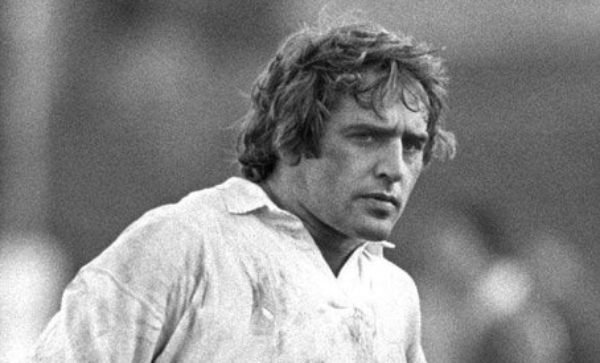
When discussing the great names of English rugby, the contribution of Tony Neary stands out for its consistency, resilience, and quiet excellence. Unlike many flamboyant stars who capture headlines with dramatic flair, Tony Neary built his legacy through discipline, intelligence, and unwavering performance on the field. His career, spanning the 1970s, coincided with a transformative period in rugby union, and his influence helped shape the modern understanding of the flanker’s role.
Early Life and Background
Childhood and Education
Tony Neary was born on 25 November 1948 in Manchester, England. Growing up in a region steeped in sporting tradition, he developed an early interest in athletics. However, rugby soon became his primary focus, and his natural aptitude for the game became evident during his school years.
Neary attended school in the North West of England, where he honed his skills in competitive rugby environments. His academic path eventually led him to university, where he balanced studies with high-level sport. This dual commitment laid the foundation for a career that would combine both professional achievement and sporting excellence.
Early Sporting Talent
Interestingly, Tony Neary was not limited to rugby alone. He also represented England at under-18 level in basketball, showcasing his versatility and athletic ability. This cross-sport experience likely contributed to his agility, coordination, and spatial awareness—qualities that later defined his rugby career.
Rise Through Club Rugby
Broughton Park and Domestic Success
Tony Neary’s club career was most closely associated with Broughton Park Rugby Club. At a time when club rugby was central to a player’s development and reputation, Neary quickly established himself as a key figure.
Playing as a flanker, he demonstrated exceptional work rate, defensive strength, and tactical awareness. His performances at club level did not go unnoticed, and he soon earned selection for representative sides such as Lancashire and the North of England.
Defining Matches and Achievements
One of the most notable highlights of Neary’s domestic career was his involvement in teams that defeated New Zealand’s All Blacks during their tours. These victories were monumental achievements, given the dominance of the All Blacks in international rugby.
Such performances reinforced Neary’s reputation as a player capable of competing at the highest level, even against the most formidable opposition.
International Career with England
Debut and Early Years
Tony Neary made his debut for England in 1971, marking the beginning of a distinguished international career. At a time when England rugby was striving to establish consistency, Neary became a dependable presence in the forward pack.
His role as an openside flanker required a combination of physical toughness and tactical intelligence. From the outset, he displayed both qualities in abundance.
Record-Breaking Caps
Over the course of his international career, Tony Neary earned 43 caps for England. At the time of his retirement, this was a record—a testament to his durability and consistent selection.
Unlike many players who experience fluctuations in form, Neary maintained a remarkably high standard throughout his career. Coaches and teammates valued his reliability, knowing he would deliver strong performances week after week.
Captaincy and Leadership
Between 1975 and 1976, Tony Neary captained England in several matches. His leadership style was not overtly charismatic but rather grounded in example and professionalism.
He led through action—tackling relentlessly, contesting possession, and maintaining composure under pressure. This approach earned him respect within the team and contributed to a culture of discipline and accountability.
British & Irish Lions Experience
Selection for Elite Tours
Tony Neary’s excellence at international level was recognised with selection for the British & Irish Lions, one of the highest honours in rugby union.
He was part of the Lions tours to South Africa in 1974 and New Zealand in 1977. These tours were known for their intensity and physicality, providing a stern test for any player.
Test Match Contribution
Although Neary played only one Test match for the Lions, his inclusion in the squad itself speaks volumes about his reputation. Competition for places in the Lions team is fierce, and selection is reserved for the very best players across the British Isles.
His involvement in these tours further cemented his status as a world-class flanker.
Playing Style and Strengths
Tactical Intelligence
One of Tony Neary’s defining attributes was his understanding of the game. He possessed an exceptional ability to read situations, anticipate opposition moves, and position himself effectively.
This intelligence allowed him to make crucial interventions, whether through timely tackles, turnovers, or support play.
Defensive Excellence
Neary was renowned for his defensive capabilities. As a flanker, his primary responsibility was to disrupt opposition attacks, and he excelled in this role.
He combined physical strength with precise timing, making him a formidable tackler. His defensive work often went unnoticed in highlight reels but was invaluable to his team’s success.
Ball Handling Skills
In an era when forwards were not typically associated with refined ball skills, Tony Neary stood out. He was comfortable handling the ball, linking play, and contributing to attacking phases.
This versatility made him ahead of his time, foreshadowing the modern flanker who is expected to contribute across all aspects of the game.
Consistency and Work Ethic
Perhaps the most remarkable aspect of Neary’s career was his consistency. He rarely had a poor game, maintaining a high level of performance over nearly a decade.
This reliability made him indispensable to both club and country, and it remains one of his most enduring qualities.
Life Beyond Rugby
Professional Career as a Solicitor
Outside of rugby, Tony Neary pursued a career in law, qualifying as a solicitor. This dual career path was typical of rugby union players before the professional era, when the sport did not offer full-time financial security.
Balancing legal work with elite-level rugby required discipline and time management, further highlighting Neary’s commitment and determination.
Transition After Retirement
After retiring from rugby in 1980, Neary stepped away from the sport and focused on his professional life. Unlike some former players who remain closely involved in rugby through coaching or media, he largely maintained a lower profile.
Controversy and Legal Issues
Criminal Conviction
In 1998, Tony Neary’s life took a dramatic and unfortunate turn when he was convicted of theft. The case involved the misuse of funds from a trust, leading to a prison sentence of five years.
This incident significantly impacted his public image and overshadowed many of his sporting achievements.
Impact on Legacy
The controversy surrounding Neary’s conviction has complicated his legacy. While his contributions to rugby remain undeniable, discussions about his career are often accompanied by reference to his legal troubles.
It serves as a reminder that personal conduct can influence how history remembers even the most accomplished athletes.
Legacy in English Rugby
Influence on the Flanker Role
Tony Neary’s style of play helped redefine the expectations of a flanker. His combination of defensive strength, tactical awareness, and ball-handling ability set a standard that future generations would build upon.
Today’s modern flankers, who are expected to be both physically dominant and technically skilled, owe much to pioneers like Neary.
Recognition and Respect
Despite the controversies in his later life, Neary continues to be respected within rugby circles for his on-field achievements. Former teammates and opponents alike acknowledge his contribution to the game.
His record of caps, leadership experience, and involvement in historic matches ensure his place in English rugby history.
FAQs
What position did Tony Neary play in rugby?
Tony Neary played as an openside flanker, a position that focuses on winning possession, tackling, and supporting both defence and attack.
How many times did Tony Neary represent England?
He earned 43 international caps for England, which was a record at the time he retired.
Did Tony Neary play for the British & Irish Lions?
Yes, Tony Neary was selected for the Lions tours in 1974 and 1977 and played one Test match.
What made Tony Neary a standout player?
His consistency, defensive strength, tactical intelligence, and ability to handle the ball set him apart from many players of his era.
What controversy is associated with Tony Neary?
In 1998, he was convicted of theft involving trust funds and served a prison sentence, which affected his public reputation.
Conclusion
Tony Neary remains a complex yet significant figure in the history of English rugby. His career exemplifies the virtues of discipline, consistency, and intelligence on the field. As a flanker, he was ahead of his time, blending physicality with skill in a way that influenced future generations.
While his later-life controversy cannot be ignored, it does not erase the impact he made during his playing days. Tony Neary’s legacy is one of both achievement and caution—a reminder of the heights that can be reached through dedication, and the importance of integrity beyond the sporting arena.