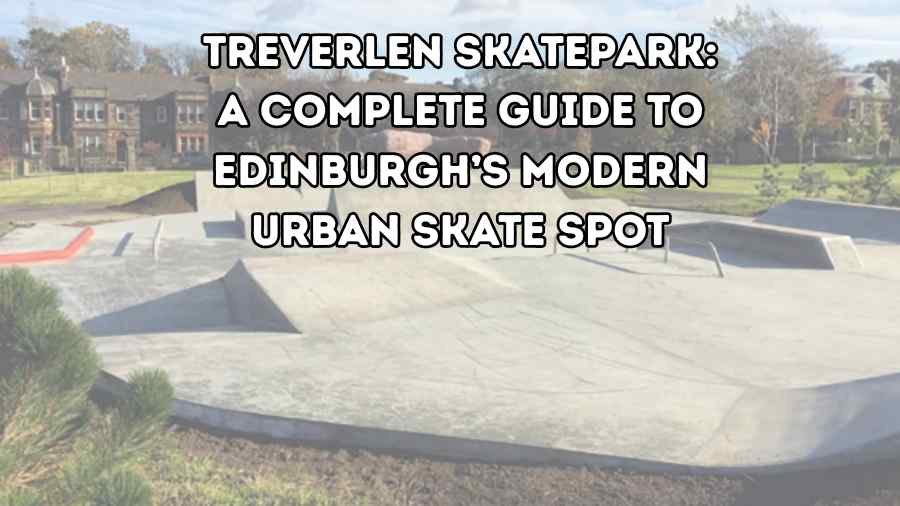
Treverlen Skatepark is fast becoming one of the most talked-about skating destinations in Edinburgh, loved by local riders for its concrete surface, versatile street-style layout, and community-friendly atmosphere. From early morning sessions to lively evening gatherings, the park attracts skateboarders, scooter riders, BMX learners, and families who simply enjoy spending time outdoors. Set within Treverlen Park, an area transformed from the grounds of the former Portobello High School, this skatepark represents modern recreational development and a growing culture of urban sports in the UK. With its open-air setting, smooth transitions, ledges, rails and quarter pipes, Treverlen Skatepark offers something for riders of different skill levels, making it a valuable addition to the local skating scene.
History and Development of Treverlen Skatepark
The story of Treverlen Skatepark begins with the regeneration of the local landscape. When Portobello High School relocated, the space was earmarked for community use, ultimately becoming Treverlen Park. Residents wanted an area that encouraged outdoor play, inclusivity, and active lifestyles. During planning, a skatepark was a major request, particularly from young people and skating enthusiasts in the area. It was not merely an afterthought; it was part of a wider vision to include creative, physical and accessible activities.
Treverlen is an old local name historically linked to the estate lands once found in this district. The revival of the name for the park brought cultural identity into the project, grounding it not just physically but emotionally within the community. The idea of a skatepark gained momentum, yet the journey from proposal to completion included debate, design revisions, and discussions on funding. Still, local passion prevailed. People advocated strongly for a proper skate space, rather than a token installation, and their involvement shaped the result we see today.
Construction followed once plans were finalised, and the park officially opened with a fresh layout in place. Built primarily in concrete for durability and smooth riding, the skatepark represents modern park design standards in the UK. Now skaters glide over transitions where classrooms once stood, symbolising renewal, creativity, and the evolving relationship between public land and public joy.
Design and Structure: What Treverlen Skatepark Offers Riders
Treverlen Skatepark is best described as a street-focused skatepark built with a mix of obstacles that mimic real urban architecture. For enthusiasts who thrive on flatwork, manuals, flip tricks and rail practice, this park is particularly appealing. Its layout is compact but thoughtfully engineered to maintain flow between features. Riders can chain tricks together, attempt new lines, and develop balance and transition control.
The main elements include a selection of quarter pipes providing the essential thrust for speed and momentum. Manual pads encourage balance-based tricks, while the rails and ledges test technical precision. A spine ramp element challenges more advanced skaters, giving them a chance to push themselves in ways many local playgrounds cannot. The mixture of low-impact features also supports beginners, allowing them to roll comfortably and learn without intimidation.
The concrete finish is another strong advantage. Unlike metal or modular structures, concrete parks remain consistent over time and offer smoother riding surfaces ideal for wheels of all types. Skaters appreciate the grip, predictability and reduced rattling underfoot. For learners, this means safer falling dynamics; for advanced riders, it means better control for slides, grinds and quick manoeuvres.
The Community and Culture Surrounding Treverlen Skatepark
A skatepark is more than ramps and rails—it is a social environment. Treverlen Skatepark has quickly become a meeting point for young riders, parents, local youth groups, and even adults returning to skating after years away. Skaters often greet one another, share tips, lend spare bolts or tools, and cheer when someone lands a new trick. This spirit builds confidence and establishes a sense of belonging.
Local parents appreciate the visibility of the area. Set inside a public park, it remains open, bright and easy to supervise. Children riding scooters or beginner boards feel welcome here. Meanwhile, older skaters get a spot to practise seriously without interfering with pedestrians on pavements or car parks. Both groups coexist naturally, creating a wonderfully mixed atmosphere that adds life to the neighbourhood.
Events and informal meetups occasionally form, especially during holidays or sunny weekends. Sessions become collective rather than individual. One child may watch another attempt a kickflip and soon try it themselves. Someone with years of experience may guide a student learning pivots or fakie movement. Every rider, regardless of age or ability, has room to grow.
Why Treverlen Skatepark Stands Out Among Local Alternatives
Edinburgh and surrounding areas hold various skate spots, yet Treverlen Skatepark stands out because it blends location, accessibility and comfort. It sits within green surroundings where families stroll, dogs wander and picnics happen. This combination softens the urban energy of skateboarding while preserving its dynamism. After skating, people can sit on the grass, take a breather or simply watch others ride. Unlike indoor facilities that require fees or bookings, Treverlen is open and free.
Its size makes it ideal for casual practice. No long walks to reach features, no excessively crowded bowl—just manageable space and well-selected obstacles. Because of its street orientation, it serves skaters who want to refine technical tricks rather than depend on purely bowl-style riding. The park also welcomes BMX riders and scooter users, with plenty of flat ground for rolling practice and runs.
Another draw is its convenience. For locals in Edinburgh, especially around Portobello and Joppa, the skatepark is an accessible hangout spot. Beginners often find huge skate complexes overwhelming. Treverlen Skatepark hits the sweet spot: engaging enough for skilled skaters but still friendly for newcomers.
Experience for Beginners, Intermediates and Advanced Riders
Different users experience Treverlen Skatepark in different ways. Beginners usually take advantage of gentle banks and the smooth open area to practise pushing, turning and stopping safely. They might start with small manuals or basic ollies on lower pads. The environment is supportive rather than competitive, making first sessions memorable and encouraging.
Intermediate riders enjoy linking obstacles together. They work on grind variations, flick tricks or transfers from quarter pipe to ledge. They appreciate the park’s transitions, which are not too steep but effective enough for momentum. Flow becomes the main excitement, experimenting with lines and adding creativity to motion.
Advanced riders find challenges with the spine, higher rails and technical sequences. They might practise combinations of tricks such as manual to grind, or kickflip to board slide. The compact layout pushes them to use space intelligently, turning limitations into inventiveness. When they seek a relaxed session without the pressure of large drop-ins, Treverlen becomes their ideal training ground.
The Skatepark’s Role in Youth Engagement and Physical Health
Skateboarding nurtures balance, reflexes and body control. Treverlen Skatepark contributes to youth development by encouraging healthy outdoor activity. Children who spend hours glued to screens suddenly discover a reason to move, fall, get up, try again and improve. The repetition inherent in skating builds resilience and patience, lessons valuable beyond sport.
Social interaction here reduces isolation. Teenagers facing stress or boredom use skating as an emotional outlet. The concentration required in the sport consumes worries, forcing the mind to focus on the board beneath the feet. This mental clarity brings relief and joy. Many local riders describe skating as therapeutic—a way to disconnect from daily pressures.
Parents appreciate seeing their children develop confidence. A first drop-in, a first grind, a first shared laugh with another rider—these milestones matter. Treverlen Skatepark isn’t just concrete; it is a space where children grow.
Future Prospects and Community Hopes
As Treverlen Skatepark continues to gain popularity, discussions often arise about potential expansion, additional obstacles or organised community events. Some residents envision local competitions, training programmes or beginner sessions led by experienced skaters. Others hope for shaded seating areas or improved lighting for evening rides. While development takes time and funding, the presence of Treverlen already demonstrates how valued such facilities are.
More visibility could attract tourists who visit Edinburgh and wish to explore local skate culture. The park, surrounded by greenery, could become part of a broader outdoor experience linking nearby beaches, playgrounds and walking paths. Urban sports are growing rapidly in the UK, especially after skateboarding entered the Olympics, and parks like Treverlen benefit from this cultural momentum.
The park will likely evolve with its community. Whether changes arrive slowly or quickly, one certainty remains: Treverlen Skatepark has already won hearts through simplicity, accessibility and genuine skating spirit.
Conclusion
Treverlen Skatepark stands as a proud example of how public spaces can foster creativity, sport and community. Born from local demand and built into a modern concrete layout, it offers a functional, fun and inclusive skate environment for all ages. The mix of quarter pipes, rails, manual pads and street-style features creates endless opportunity for progression. From toddlers on scooters to skilled skateboarders practising technical lines, everyone finds something meaningful here. The park encourages fitness, reduces screen dependency and inspires resilience through learning and falling. Most importantly, it builds bonds—between skaters, between families, and between people and place.