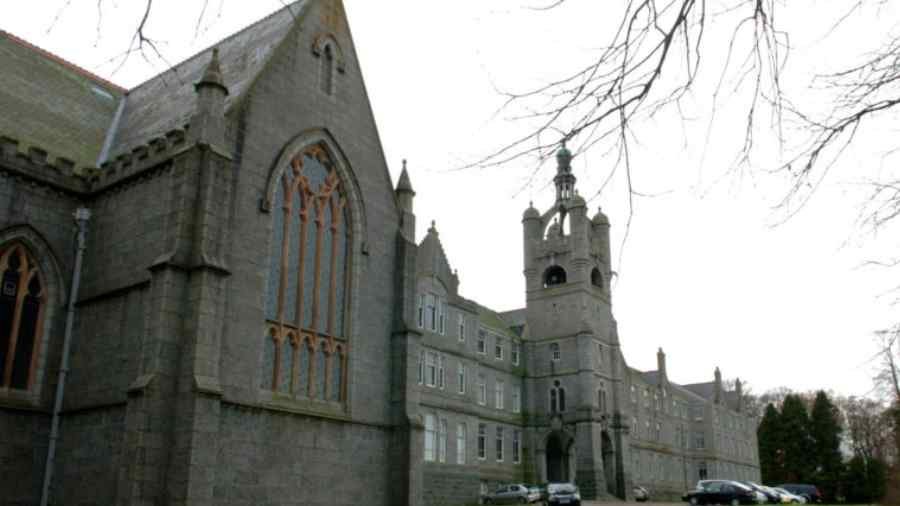
Among Scotland’s most remarkable heritage institutions, Blairs Museum stands as a timeless guardian of the nation’s Catholic history and artistry. Nestled near Aberdeen, this museum is more than a repository of sacred treasures; it is a living chronicle of faith, art, and resilience that spans over five hundred years. Visitors who step into Blairs Museum find themselves transported into a world of devotion, legacy, and craftsmanship, where each exhibit whispers stories of Scotland’s past and the endurance of its spiritual identity.
The Historical Roots of Blairs Museum
Blairs Museum is housed within the historic grounds of St. Mary’s College, Blairs. The college was established in 1829 as a Roman Catholic seminary, training young men for the priesthood at a time when Catholicism was still recovering from centuries of repression in Scotland. The institution became a cornerstone of Catholic education until its closure in 1986.
Following the seminary’s closure, a new chapter began. The college’s rich archives, artwork, and religious artefacts were carefully preserved, leading to the establishment of the Blairs Museum. This initiative aimed to safeguard the invaluable collection of sacred art and historical documents that had been accumulated through generations of Scottish Catholics, ensuring that their story would continue to inspire future visitors.
A Testament to Faith and Culture
At its heart, Blairs Museum represents far more than a religious exhibition—it embodies Scotland’s journey through times of religious struggle, revival, and renewal. The exhibits reflect how faith endured through persecution and political change. Every piece on display speaks of courage, devotion, and identity.
From the suppression of Catholicism after the Scottish Reformation to its slow re-emergence, the museum’s collection traces the trials faced by believers who kept their traditions alive in secret. In this way, Blairs Museum is not just a building filled with artefacts—it is a symbol of Scotland’s spiritual resilience and cultural diversity.
The Collections: A Glimpse into the Sacred Past
Blairs Museum’s collection is one of the most impressive and comprehensive displays of Scottish Catholic heritage in existence. The museum houses artworks, manuscripts, silverware, vestments, and devotional items that tell a story of artistry and piety.
One of its most celebrated pieces is a portrait of Mary, Queen of Scots, a monarch whose life and death became intertwined with Scotland’s Catholic history. The painting serves as a powerful reminder of the political and religious turmoil that shaped the nation during the 16th century.
Visitors can also admire a vast selection of liturgical vestments, each handcrafted with intricate embroidery and precious fabrics. These garments once adorned priests and bishops during Mass, representing the splendour and sanctity of the Catholic liturgy. Many of them were created during times when practising the Catholic faith was forbidden, making them both artistic and historical treasures.
The church silver collection is equally captivating, featuring chalices, monstrances, and censers of remarkable craftsmanship. These sacred vessels, used in the celebration of the Eucharist, shine not only for their beauty but also for their significance in worship.
Artistic Excellence and Religious Expression
Blairs Museum is also home to an extraordinary selection of religious art. Paintings depicting biblical scenes, saints, and martyrs line the gallery walls, showcasing the influence of European art styles on Scottish religious expression. These works, created by artists from Scotland, Italy, and Flanders, highlight how Catholic art survived and flourished despite social and political obstacles.
Each artwork was chosen not only for its aesthetic appeal but also for its spiritual depth. Through these pieces, visitors can see how art served as a form of devotion, storytelling, and preservation of faith during centuries when Catholicism was marginalised.
The Architectural Significance of Blairs College
The physical setting of Blairs Museum is itself a masterpiece. The site is dominated by the New Chapel, a Category A listed building recognised for its national architectural importance. Constructed in the 19th century, the chapel combines Gothic revival design with a sense of solemn grandeur. Stained glass windows, vaulted ceilings, and intricate stonework evoke a sense of sacred awe.
The chapel’s design reflects the optimism of the Catholic community during the Victorian era—a time when the faith began to reassert itself in Scotland after centuries of suppression. The adjoining college buildings, which now serve various purposes, maintain the same historic charm and architectural dignity.
The Role of the Scottish Catholic Heritage Collection
Blairs Museum forms part of the Scottish Catholic Heritage Collection, an initiative dedicated to preserving and interpreting artefacts linked to Scotland’s Catholic past. This national collection includes items from parishes, monasteries, and private donors across the country. Its presence at Blairs ensures that these objects remain in a context that respects both their artistic and spiritual significance.
The museum’s curators work tirelessly to document, restore, and display the collection with scholarly precision. Exhibits are often rotated to give visitors a broader understanding of Scotland’s ecclesiastical journey—from medieval faith practices to the modern-day Catholic Church.
Educational and Cultural Impact
Blairs Museum is not only a treasure trove for historians and art enthusiasts but also a centre for education and reflection. School groups, scholars, and tourists alike visit the museum to explore the ways in which religion shaped Scottish identity.
Through guided tours, exhibitions, and talks, the museum brings history to life, helping younger generations understand the complex relationship between faith, culture, and politics. It encourages critical thinking about Scotland’s pluralistic history and promotes respect for different religious traditions.
The museum’s efforts extend beyond its walls as well. Digital exhibitions and outreach programmes ensure that Scotland’s Catholic story reaches global audiences. This blend of tradition and technology has helped the institution maintain its relevance in a rapidly evolving world.
A Sanctuary of Peace and Reflection
For many visitors, Blairs Museum offers not just an educational experience but also a spiritual one. The quiet atmosphere, the soft light filtering through stained glass, and the reverent arrangement of artefacts create a space conducive to reflection. It is a place where one can contemplate history, art, and faith in harmony.
Pilgrims often visit the site as part of a personal journey of devotion, finding in its sacred ambience a connection to the countless believers who came before them. The museum’s serene surroundings and proximity to the River Dee enhance its tranquil appeal, making it a perfect retreat for contemplation.
Preservation Efforts and Restoration Work
Maintaining such a vast and delicate collection is no small feat. The museum continuously undertakes restoration projects to protect artefacts from environmental damage and time’s natural decay. Skilled conservators work meticulously to clean, stabilise, and preserve each item, ensuring its longevity for future generations.
These preservation efforts are supported by donations, grants, and partnerships with cultural institutions. Every restored painting, repaired vestment, or polished chalice stands as a testament to the ongoing commitment to heritage conservation in Scotland.
Visiting Experience and Accessibility
Blairs Museum is open seasonally, generally from April to October, welcoming visitors on weekends and by special appointment. The experience is designed to be immersive and respectful, allowing guests to engage deeply with the exhibits without the distractions of commercialism.
The staff are known for their knowledge and hospitality, often sharing fascinating anecdotes and insights about the displayed objects. Modern facilities, including accessible pathways and guided tours, ensure that everyone—from historians to casual visitors—can fully enjoy the site.
The Legacy of Blairs Museum
What makes Blairs Museum truly exceptional is its mission to connect Scotland’s past with its present. It stands as a bridge between generations, reminding visitors that history is not merely something to be studied but something to be felt and cherished.
In preserving these symbols of faith and endurance, the museum gives voice to those who lived, prayed, and struggled for their beliefs. It reminds us that cultural and religious heritage must be nurtured—not only for remembrance but also for inspiration.
Conclusion
Blairs Museum is a treasure that Scotland can be proud of—a place where faith, art, and history intertwine to form a narrative of perseverance and beauty. It serves as both a custodian of sacred artefacts and a beacon of cultural memory, ensuring that the story of Scotland’s Catholic heritage continues to enlighten future generations.
Through its artefacts, architecture, and atmosphere, the museum embodies centuries of devotion and resilience. Whether one visits as a historian, an artist, a pilgrim, or a curious traveller, Blairs Museum offers an unforgettable glimpse into the soul of Scotland’s religious and artistic identity.