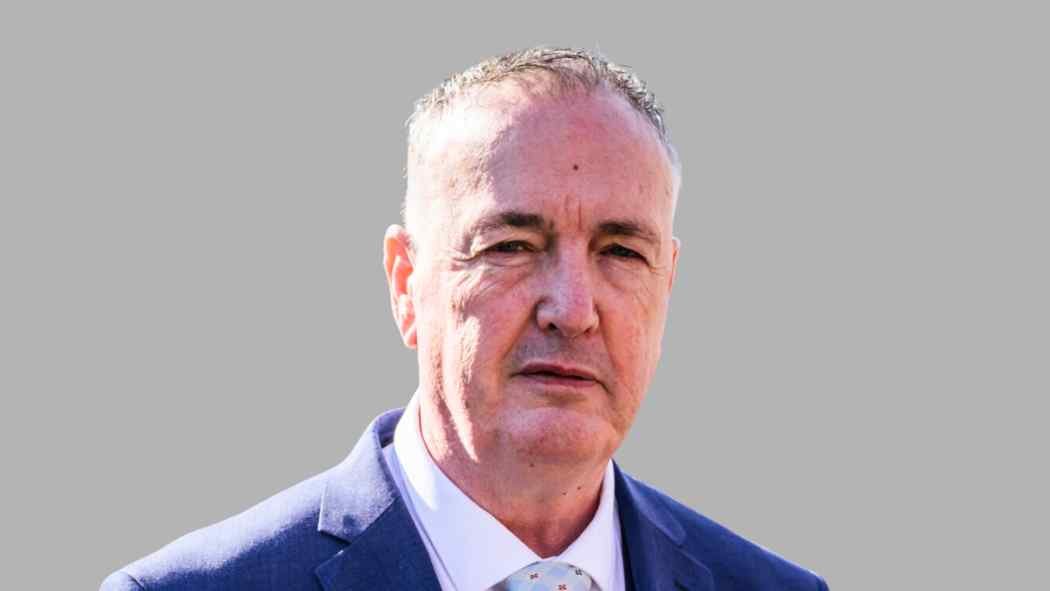
Clive Grunshaw stands as one of Lancashire’s most recognised political figures, known for his lifelong dedication to public service and his consistent advocacy for fairness, transparency, and effective policing. As a Labour and Co-operative politician, his journey from a modest working-class background in Fleetwood to holding one of the county’s most significant offices—the Police and Crime Commissioner (PCC)—is a story of persistence, integrity, and community values. Over the years, Grunshaw has built a reputation for defending local policing standards, standing up against funding cuts, and prioritising the needs of victims and vulnerable groups across Lancashire.
Early Life and Education
Born in Fleetwood in October 1961, Clive Grunshaw’s early life reflected the grit and resilience typical of Lancashire’s coastal communities. Leaving school at sixteen, he began his working life as an apprentice winch-builder before becoming a milkman, serving the people of Fleetwood and surrounding areas in a simple but honest profession. His early experience among ordinary working people shaped his understanding of community struggles and the importance of fairness in public policy.
Driven by a desire to make a wider impact, he pursued higher education later in life, attending Lancaster University where he earned both a Bachelor’s and a Master’s degree in Politics and Trade Union Studies. His academic journey deepened his awareness of the structures that influence workers’ rights, justice, and social welfare—foundations that would later underpin his political philosophy.
Political Beginnings
Grunshaw’s political engagement began at a young age. He joined the Labour Party as a teenager and became active in trade unions by the age of sixteen. His deep involvement in workers’ rights campaigns throughout the 1980s and 1990s earned him the respect of local activists and community leaders. This combination of grassroots experience and political awareness paved the way for his election as a councillor on both Wyre Borough Council and Lancashire County Council.
As a county councillor for Fleetwood East, Grunshaw represented one of the region’s most economically diverse areas. He worked tirelessly on local issues ranging from public transport to social services, and he became known for his accessibility and down-to-earth communication style. People saw in him not a distant politician but someone who genuinely understood the realities of daily life in Lancashire.
Rise to Police and Crime Commissioner
In 2012, the UK introduced the role of Police and Crime Commissioners to replace police authorities and enhance accountability in policing. Clive Grunshaw was elected as the first PCC for Lancashire in November of that year, marking the beginning of a transformative chapter in his public career. His victory represented not only personal success but also the trust placed in him by thousands of residents who wanted a local leader to ensure that policing remained responsive and community-driven.
Grunshaw’s priorities as PCC were clear from the start: to maintain visible neighbourhood policing, support victims, and safeguard the integrity of Lancashire Constabulary amid significant budget pressures. At a time when government funding for policing faced severe reductions, he became a vocal critic of austerity measures that he believed undermined frontline policing.
Commitment to Community and Victim Support
Throughout his tenure, Clive Grunshaw championed the idea that policing should be rooted in communities. He consistently argued that a police force is most effective when it works in partnership with the people it serves. Under his leadership, Lancashire saw initiatives designed to enhance collaboration between officers and residents, focusing particularly on youth engagement and early intervention programmes to prevent crime before it happens.
He also placed great emphasis on supporting victims of crime. Recognising that recovery from trauma requires more than just legal justice, Grunshaw worked to improve victim support services across Lancashire, ensuring that victims of domestic abuse, sexual violence, and hate crime received professional and compassionate assistance. His work in this area helped strengthen trust between the public and law enforcement agencies.
Transparency and Accountability in Policing
Accountability has been at the core of Grunshaw’s political identity. As PCC, he was responsible for scrutinising how Lancashire Constabulary operated, setting priorities, and managing an extensive budget. He ensured that decision-making remained transparent and that the police leadership remained answerable to the public they served.
Despite facing criticism and scrutiny—particularly in relation to travel expense claims during his early tenure—Grunshaw maintained that openness and honesty were essential to good governance. An independent investigation concluded that the issues were administrative rather than intentional, and he used the experience as an opportunity to strengthen internal processes and reinforce his belief in public accountability.
Challenges and Controversies
Like many public figures, Clive Grunshaw’s journey was not without obstacles. The most notable controversy came shortly after he first assumed office, when discrepancies in mileage claims drew national attention. Although the investigation later determined that there was no deliberate wrongdoing, the incident served as a reminder of the public scrutiny attached to elected office.
Rather than retreating, Grunshaw faced the criticism head-on. He acknowledged the errors, tightened expense policies, and focused his efforts on rebuilding public trust. In doing so, he demonstrated resilience and maturity—qualities that would come to define his approach to governance throughout his career.
Advocacy Against Budget Cuts
One of Grunshaw’s strongest and most consistent messages has been his opposition to cuts in policing budgets. During the years following his election, Lancashire—like many regions—faced reductions in central government funding. Grunshaw argued that these cuts threatened the effectiveness of community policing and could undermine public safety.
He became a prominent voice within the Association of Police and Crime Commissioners, highlighting how reduced funding meant fewer officers, longer response times, and greater strain on those remaining in service. His campaigns attracted significant media attention and underscored his commitment to defending local interests against national austerity measures.
Return to Office and Continued Leadership
After serving as PCC from 2012 to 2021, Grunshaw temporarily stepped back following an electoral defeat. However, in 2024 he made a notable return, winning re-election and once again taking up the role of Lancashire’s Police and Crime Commissioner. His comeback reflected both enduring public confidence and the recognition of his experience and dedication.
Upon his re-election, Grunshaw reaffirmed his core priorities: neighbourhood policing, tackling violence against women and girls, improving mental health responses within policing, and ensuring value for money for taxpayers. His leadership continues to emphasise collaboration between police officers, councils, and community organisations, with the goal of building safer, fairer neighbourhoods.
Leadership Style and Public Image
Clive Grunshaw’s leadership style combines a calm, measured tone with a deep sense of conviction. Colleagues describe him as approachable yet firm—a man who listens carefully before taking decisions but who does not shy away from difficult conversations. His working-class roots and long association with Lancashire’s communities have made him an empathetic and grounded figure in regional politics.
He is also known for his strong communication skills. Whether addressing public meetings or representing Lancashire in national forums, Grunshaw consistently projects sincerity and a focus on real-world outcomes rather than political point-scoring. His long membership in the Labour and Co-operative movements further reinforces his image as a leader who values fairness, collaboration, and equality.
Vision for the Future of Policing
Looking forward, Clive Grunshaw continues to articulate a vision of policing that is proactive rather than reactive. He believes in investing in early intervention, using data and technology responsibly, and ensuring that every community—rural or urban—has fair access to police services.
His future plans also emphasise expanding mental health support within policing, reducing reoffending rates, and strengthening the relationship between officers and local residents. As technology evolves, he advocates for smarter use of digital tools to prevent online crime and protect vulnerable people from fraud and exploitation.
Influence Beyond Lancashire
Beyond his regional responsibilities, Grunshaw’s influence extends to the national stage through his role as Vice Chair of the Association of Police and Crime Commissioners. In this capacity, he contributes to shaping policy discussions on policing strategy, victim support, and national security. His experience provides valuable insight into the challenges facing modern policing, particularly the balance between efficiency, ethics, and community engagement.
Personal Character and Legacy
Behind the public persona, Clive Grunshaw remains deeply connected to his local roots. He continues to live in Lancashire and is proud of his heritage and lifelong ties to the community. Friends and colleagues describe him as principled, approachable, and driven by a strong sense of justice.
His legacy, already significant, lies not only in the reforms he has implemented but in the example he sets for public accountability and perseverance. Through years of political service, he has demonstrated that effective leadership is not about personal ambition but about steadfast commitment to the common good.
Conclusion
Clive Grunshaw’s story is one of dedication, resilience, and public service. From his early days as a milkman to his current position as Lancashire’s Police and Crime Commissioner, his career reflects an unwavering belief in fairness, transparency, and the power of community. Despite challenges and controversies, he has consistently focused on improving the lives of others, protecting vulnerable people, and ensuring that policing remains rooted in local values.
In an era when public trust in institutions is under strain, Clive Grunshaw’s leadership serves as a reminder that integrity, accountability, and empathy remain the cornerstones of effective governance. His continued commitment to the people of Lancashire cements his place as a defining figure in modern regional politics—one whose voice continues to shape the conversation on justice, safety, and social equality in the United Kingdom.