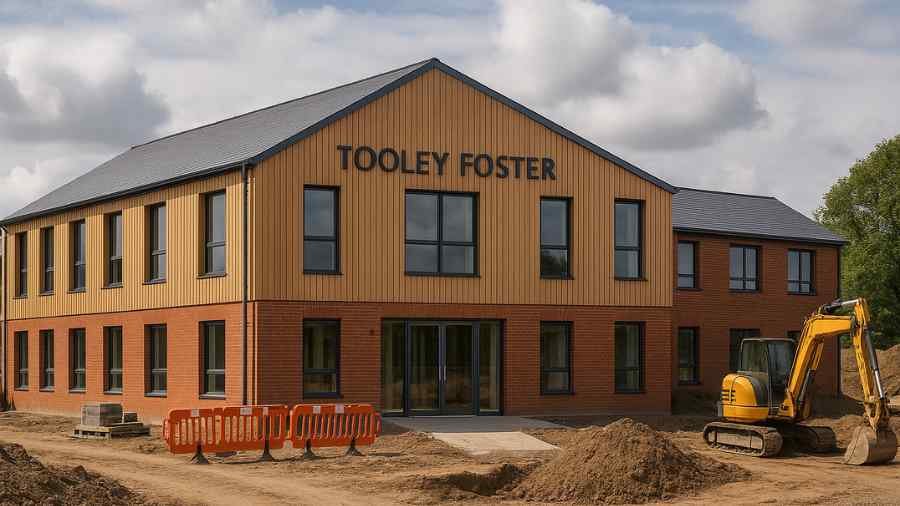
Tooley Foster is a name that resonates strongly in the world of British architecture. With a history extending over a century, the practice has maintained an impressive balance between traditional architectural values and modern, forward-thinking design principles. Over decades, the firm has continued to prove that thoughtful architecture can transform environments, support communities, and inspire progress. Their work reflects an understanding that buildings are not just structures to house activity, but living spaces that shape human experience.
The Historical Evolution of Tooley Foster
Tooley Foster traces its origins back to the late nineteenth century, a period characterised by significant architectural transformation. The practice was founded in an era when the United Kingdom was evolving rapidly, with urban expansion and societal development calling for new public spaces, institutions, and homes. This period demanded architects to consider not only structural integrity but also public wellbeing, aesthetic appeal, and functionality.
Over generations, the firm evolved while maintaining a deep respect for the architectural heritage of Britain. Its portfolio reflects a careful and conscious involvement in shaping the environment rather than overpowering it. Their work spans from classical architectural refurbishments to contemporary sustainable builds, always respecting the wider context of community, history, and practicality.
The longevity of Tooley Foster as a practice is a testament to its resilience. Rather than remaining static, the firm adapted as society, technology, materials, and environmental needs changed. Its ability to remain relevant while retaining core values is one of its strongest legacies.
Architectural Philosophy and Identity
Tooley Foster embodies a design philosophy that prioritises purpose and human experience. Buildings are not simply designed to look impressive; they are created to function naturally for those who occupy them. Their design approach reflects several defining characteristics:
Contextual Sensitivity: The practice has always placed great importance on understanding the character of the environment in which a building exists. Whether designing a new structure or adapting an historic one, they ensure that the final result complements the surrounding landscape, culture, and history.
End-User Focus: Every design is centred around how people will move, work, and interact within the space. Design decisions are made with careful consideration of comfort, accessibility, and practical day-to-day use.
Sustainability as a Core Value: Long before sustainability became a widespread industry standard, Tooley Foster recognised the importance of environmental responsibility. Their projects often include energy-efficient systems, environmentally friendly materials, and strategies to reduce lifetime operational costs.
Blending Heritage with Modern Vision: The practice has consistently demonstrated how historical architecture can coexist beautifully with contemporary innovation. Rather than choosing one over the other, they create harmony between tradition and modernity.
This balanced architectural identity has allowed Tooley Foster to remain relevant in both heritage preservation and new-age sustainable development.
Areas of Specialisation
Over the course of its history, Tooley Foster has expanded its expertise across a wide range of sectors. The practice has contributed to some of the most vital categories of public and private architecture, including:
1. Healthcare Architecture
Healthcare institutions require designs that are uplifting, accessible, hygienic, and calming. Tooley Foster has designed medical centres, community clinics, and hospital facilities that support patient wellbeing and staff workflow. Their approach typically integrates natural light, open spaces, and directional clarity, helping users feel safe and relaxed.
2. Education and Learning Spaces
Schools, colleges, and training centres designed by Tooley Foster prioritise learning comfort and intellectual curiosity. Their educational architecture takes into account acoustics, environmental performance, capacity planning, and flexible teaching environments. The goal is always to support creativity and effective learning.
3. Residential and Community Housing
From affordable housing initiatives to high-quality residential developments, Tooley Foster has created homes that are functional, sustainable, and welcoming. Their designs consider neighbourhood identity, communal living needs, outdoor areas, and accessibility.
4. Commercial and Corporate Buildings
Workplaces designed by the practice reflect modern professional needs: adaptable layouts, natural lighting, energy efficiency, and a sense of spatial freedom. Their commercial architecture balances functionality with aesthetic sophistication, encouraging productivity and comfort.
5. Conservation and Adaptive Reuse
One of the standout strengths of Tooley Foster is their work in conserving historic structures. Their capability to restore and repurpose heritage buildings shows both technical mastery and a deep respect for cultural identity. Their restoration projects highlight how architecture can preserve history while enabling contemporary functionality.
Commitment to Sustainability
Sustainability is not an afterthought for Tooley Foster; it is an integrated design principle. Their projects often include:
Low-energy heating and cooling systems
Use of sustainable construction materials
High insulation and thermal efficiency strategies
Consideration of natural ventilation and daylight
Designs that reduce long-term environmental impact
They recognise that environmental responsibility does not mean sacrificing visual appeal or comfort. Instead, sustainable architecture is positioned as a pathway to creating long-lasting, inspiring environments.
Design Process and Collaboration
Tooley Foster’s approach to designing buildings is collaborative. They work closely with clients, communities, engineers, planners, and interior specialists to ensure every detail is functional and aesthetically resolved. Their process is typically guided by:
Early research and concept development
Model and drawing visualisations
Practical adjustments based on use-case and feedback
On-site involvement during construction
This method ensures that the final structure is not only visually aligned with the original concept but also performs effectively in real-world use.
Social and Cultural Impact
Buildings shape behaviour, influence well-being, and define the character of a space. Tooley Foster recognises this responsibility. Their work in community spaces, healthcare facilities, heritage conservation, and education demonstrates a strong commitment to improving society. Their buildings often become familiar landmarks, trusted local resources, or cherished public environments.
They do not only create architecture; they help shape shared cultural identity.
Innovation and Future-Focused Growth
Although rooted in tradition, Tooley Foster continues to evolve by incorporating modern design techniques and digital tools. They work with technology such as digital modelling, energy-use predictions, and advanced planning systems to enhance accuracy and efficiency. Their ability to embrace emerging design methodologies demonstrates their commitment to progress.
This future-oriented mindset ensures that their architecture remains functional, sustainable, and relevant in a rapidly changing world.
Conclusion
Tooley Foster stands as an exceptional example of how an architectural practice can maintain both heritage depth and modern vision. Their consistency in delivering thoughtful, sustainable, and human-centred design has earned them a respected place in British architectural history. Through healthcare facilities, community projects, learning spaces, residential developments, commercial buildings, and heritage conservation, they have contributed meaningfully to the built environment.
Their designs reflect a belief that architecture should enrich life, not merely occupy land. It should support wellbeing, encourage creativity, protect cultural memory, and serve future generations responsibly. This enduring philosophy is what makes Tooley Foster not just an architectural practice, but a legacy.