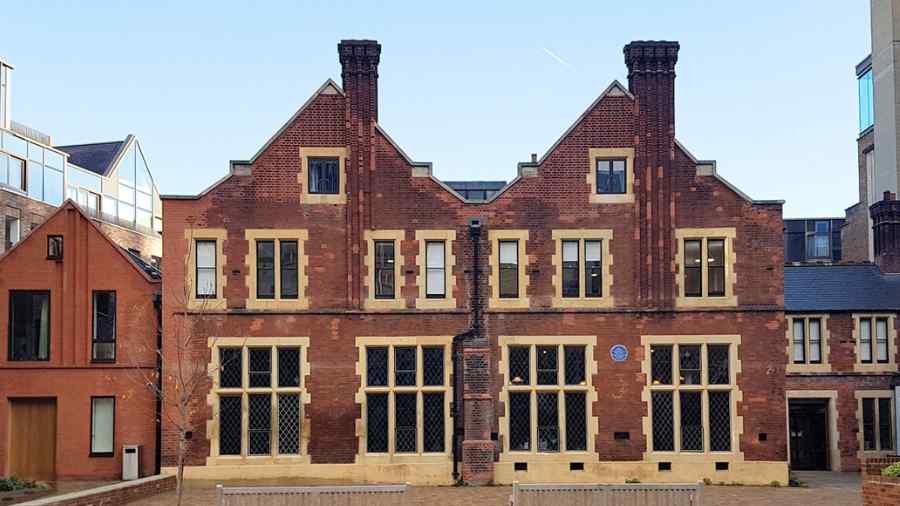
In the midst of London’s dynamic and rapidly changing urban landscape, small green havens serve as places of calm, reflection, and connection. One such space is Mallon Gardens, a distinctive and historically rooted garden located near Toynbee Hall in the Whitechapel and Aldgate East area. Although modest in size, Mallon Gardens carries a rich legacy intertwined with community reform, local history, and the movement to create inclusive public spaces. This article explores the origins, purpose, cultural importance, design evolution, and community value of Mallon Gardens, providing a detailed and informative view that highlights why this small garden continues to matter in modern city life.
Historical Background
To understand Mallon Gardens, one must first explore its relationship with Toynbee Hall. Toynbee Hall was founded in the late nineteenth century as part of the settlement movement, with the aim of addressing social inequality and supporting local communities in the East End of London. During this period, the area was marked by poverty, overcrowding, and limited access to education or green spaces. Mallon Gardens later emerged as an extension of this social vision.
The name Mallon honours Jimmy Mallon, a former Warden of Toynbee Hall. Mallon held the position for more than three decades and played a vital role in shaping the organisation’s educational and community-driven activities. His leadership was marked by compassion, dedication, and a belief that social progress could be achieved through inclusion and shared learning. Naming the garden after him recognises not only the physical space, but also the spirit of community development that surrounds it.
Physical Location and Urban Context
Mallon Gardens is located in the London Borough of Tower Hamlets. Surrounded by old brick structures, renovated public buildings, cultural centres, and busy streets, the garden stands as a gentle reminder of the value of open green areas within dense city environments. Although the space is small, its presence is striking because of the contrast it creates with its surroundings. It serves as a brief pause between the noise of traffic, the tall buildings, and the constant movement of city life.
Neighbourhoods around Mallon Gardens are rich in cultural diversity. Residents, students, workers, and visitors shape an environment that blends languages, traditions, and daily rhythms. The garden supports this diversity by offering shared space that does not belong to one group alone. It welcomes people from all backgrounds to relax, reflect, and interact.
Design and Architectural Evolution
Originally, the area that would become Mallon Gardens was not a public garden. Historical records show it was once a simple courtyard behind local shops and adjacent buildings. During earlier decades, the space was enclosed and not easily accessible, giving it a more private character. Over time, the need for more open, communal green spaces in the area prompted discussions about redevelopment.
The transformation of Mallon Gardens involved levelling the ground so that it reached the same height as the surrounding street level. This change was important, as it increased visibility, accessibility, and safety. The old brick walls that once enclosed the garden were replaced with open railings, symbolising the shift from private to public use. The redesign also encouraged natural light, airflow, and a greater sense of invitation.
A significant feature of the redesign is the presence of open lawn. Instead of heavy paving, planners prioritised grass, plant beds, and softer natural surfaces. A few trees were preserved where possible, as they offered shade, texture, and connection to nature. Seating, pathways, and shared recreational features such as a table tennis area were included to encourage social interaction rather than passive observation.
Environmental Value
Urban gardens like Mallon Gardens play an essential role in supporting ecological balance. Even small green areas contribute to biodiversity, providing habitats for insects, birds, and microorganisms. Plants help to clean the air, soften the acoustic environment, and regulate temperature in busy districts. The shade from trees and the presence of living greenery bring comfort to people passing through or spending time in the garden.
Moreover, public gardens help to reduce the effects of urban stress. Studies show that even short visits to green spaces can improve mood, reduce anxiety, and enhance focus. Mallon Gardens, though small, operates as a restorative environment for individuals who work or live in the area.
Social and Community Importance
What truly distinguishes Mallon Gardens is its connection to community engagement. It is not merely a park, but an active space for learning, socialisation, and shared experiences. Local organisations have used the garden to run cultural events, gardening workshops, community art sessions, and recreational activities. These gatherings encourage residents to take part in the care and development of the space, strengthening social ties.
The garden is also a quiet retreat. Many people use the space to read, rest, or have conversations away from busy streets. It supports informal social encounters, making it a natural point of connection between neighbours and visitors.
Challenges and Community Advocacy
Like many urban gardens, Mallon Gardens has faced challenges related to maintenance, development pressures, and debates about land use. The surrounding area has seen commercial and residential expansion, which can create conflict between the desire to preserve green space and the push to build new structures.
At times, community groups have spoken out to protect Mallon Gardens from changes that might limit its public function. This advocacy shows how deeply local people value the garden. Their participation ensures that the space remains accessible, green, and beneficial to the wider community.
Visiting Mallon Gardens
Visitors who come to the area will notice that Mallon Gardens is peaceful yet lively. People may be playing table tennis, sitting on the grass, or simply passing through. The garden invites exploration, observation, and rest. It is not a place of grandeur or large monuments, but a simple and meaningful space that represents the importance of community-centred design.
The garden’s location near historic buildings, community centres, and local cultural institutions also makes it easy to include in a wider day of exploration. Whether someone is studying nearby, shopping, working, or simply walking the neighbourhood, Mallon Gardens is a natural place to pause.
Conclusion
Mallon Gardens is a reminder that valuable public spaces do not need to be large to be meaningful. It reflects the history of community care, education, and social reform centred around Toynbee Hall and honours the legacy of Jimmy Mallon, who devoted decades to improving the lives of local residents. With its open lawn, trees, and gathering spaces, the garden contributes to the physical environment, emotional well-being, and social fabric of the neighbourhood.
In a city where buildings often rise faster than green areas can be preserved, Mallon Gardens stands as an example of thoughtful urban planning and shared community priority. It is a space shaped not only by architecture, but by the people who use it, care for it, and value its calm presence in the heart of London.