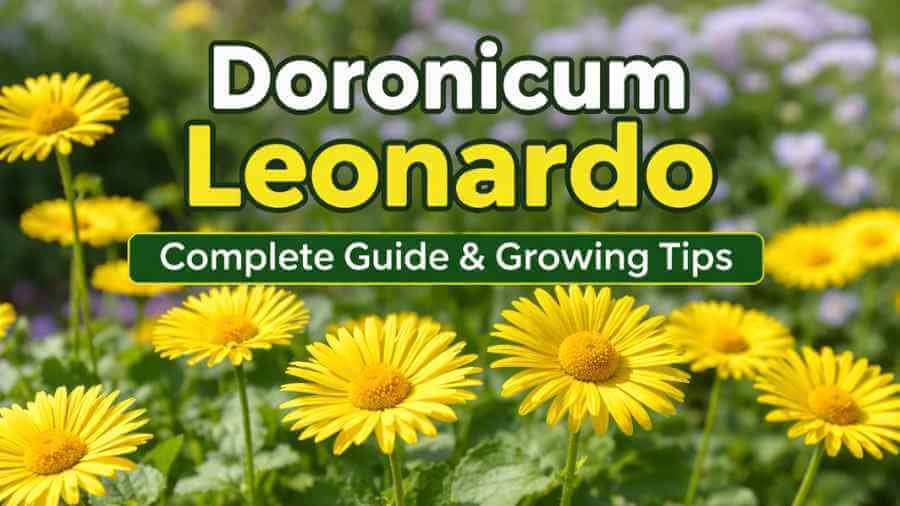
Doronicum leonardo is a compact, cheerful perennial that brings early colour to gardens just as winter begins to fade. Known for its bright yellow, daisy-like flowers and tidy growth habit, this plant has become a favourite among gardeners who want reliable spring interest with minimal effort. It is particularly valued for its ability to thrive in cooler climates, tolerate partial shade, and provide an important early nectar source for pollinators.
What Is Doronicum Leonardo?
Doronicum leonardo is a cultivated variety of doronicum orientale, a species belonging to the daisy family. It is often described as a compact or dwarf form, making it ideal for smaller gardens, borders, and container planting. Unlike taller varieties, doronicum leonardo maintains a neat, well-shaped form that does not overwhelm surrounding plants.
It is a herbaceous perennial, meaning it dies back in winter and re-emerges each spring. Its real appeal lies in its timing: it flowers early in the year, often when many other perennials are still dormant. This makes it a valuable plant for adding life and colour to spring gardens.
Origins and Natural Background
The doronicum genus originates from mountainous and woodland regions of Europe and parts of western Asia. These environments explain many of the plant’s preferences today, including its tolerance for cooler temperatures and partial shade.
Doronicum leonardo was developed to offer a more compact and uniform growth habit compared to older varieties. Gardeners wanted a plant that retained the classic yellow blooms of doronicum but with better control, improved flowering consistency, and suitability for modern garden spaces.
Visual Characteristics
Flowers
The flowers of doronicum leonardo are its most striking feature. They resemble large daisies, with bright golden-yellow petals surrounding a deeper yellow central disc. Each bloom sits proudly on an upright stem, creating a clear and bold display.
Flowering usually begins in early to mid-spring and can last several weeks. The colour is vivid and fresh, standing out beautifully against the soft greens of spring foliage.
Foliage
The leaves are heart-shaped to oval, with a slightly textured surface. They form a low mound at the base of the plant, providing visual interest even before flowering begins. The foliage is a healthy mid-green and complements the bright flowers without competing for attention.
As the season progresses and temperatures rise, the foliage may die back naturally. This is normal behaviour and does not indicate poor health.
Size and Growth Habit
Doronicum leonardo is considered compact, typically reaching around 30 to 40 centimetres in height. Its spread is controlled and tidy, making it suitable for planting in groups without becoming invasive or unruly.
Flowering Season and Garden Impact
One of the strongest advantages of doronicum leonardo is its flowering season. Spring gardens can often feel sparse, with bulbs fading and summer perennials not yet active. This plant fills that gap perfectly.
Its bright yellow flowers symbolise renewal and energy, lifting the mood of any garden space. When planted in drifts or clusters, doronicum leonardo creates a natural, welcoming effect that works well in both formal and informal garden styles.
Ideal Growing Conditions
Light Requirements
Doronicum leonardo grows best in full sun to partial shade. In cooler climates, it can tolerate more direct sunlight. In warmer areas, partial shade is often preferable, especially during the hottest part of the day.
A position with morning sun and afternoon shade is ideal, as it encourages strong flowering while protecting the plant from excessive heat.
Soil Preferences
This plant prefers moist but well-drained soil. Heavy, waterlogged soil can lead to root problems, while very dry soil may shorten the flowering period.
Adding organic matter such as compost improves soil structure and helps retain moisture without causing waterlogging. Doronicum leonardo adapts well to most garden soils as long as drainage is reasonable.
Climate and Hardiness
Doronicum leonardo is well suited to temperate climates. It is fully hardy and can withstand cold winters without protection. In fact, exposure to winter cold helps ensure strong growth and flowering in spring.
It performs particularly well in regions with cool springs and moderate summers.
Planting Doronicum Leonardo
When to Plant
The best time to plant doronicum leonardo is in autumn or early spring. Autumn planting allows roots to establish before winter, resulting in stronger plants the following year. Spring planting is also successful, provided the soil is workable and not overly wet.
How to Plant
Choose a well-prepared site with loose, fertile soil. Dig a hole slightly larger than the root ball and position the plant so the crown sits at soil level. Backfill gently and water thoroughly to settle the soil.
Spacing is important to allow air circulation and prevent overcrowding. Leave enough room for the plant to reach its mature spread.
Watering and Feeding
Watering
Regular watering is important during the plant’s active growth and flowering period. The soil should remain consistently moist but never soggy. Once established, doronicum leonardo is relatively tolerant of short dry spells, though prolonged drought can reduce flowering.
Feeding
A balanced fertiliser applied in early spring supports healthy growth and abundant blooms. Organic options such as well-rotted compost or a general garden feed work well.
Avoid excessive feeding, as this can lead to lush foliage at the expense of flowers.
Maintenance and Care
Deadheading
Removing spent flowers helps keep the plant tidy and may encourage a longer flowering period. Cut flower stems back to the base once blooming has finished.
Post-Flowering Care
After flowering, the foliage may begin to fade. This is a natural process. You can trim back dying leaves once they become untidy, but avoid cutting healthy foliage too early, as it helps replenish the plant’s energy reserves.
Dividing Plants
Doronicum leonardo benefits from division every few years. Dividing clumps in autumn or early spring rejuvenates the plant and prevents overcrowding. This also provides new plants for other areas of the garden.
Common Problems and Solutions
Doronicum leonardo is generally trouble-free, but a few issues may arise.
Slugs and snails can damage young foliage in spring. Regular monitoring and appropriate control methods help prevent serious damage.
Powdery mildew may appear in dry, poorly ventilated conditions. Ensuring good air circulation and consistent watering reduces this risk.
Wildlife and Ecological Value
Early-flowering plants play a crucial role in supporting wildlife. Doronicum leonardo provides nectar and pollen for bees and other pollinating insects emerging after winter.
By including this plant in your garden, you contribute to a healthier ecosystem while enjoying its ornamental benefits.
Uses in Garden Design
Borders and Beds
Doronicum leonardo works beautifully at the front of borders, where its compact size and bright colour can be appreciated up close. It pairs well with spring bulbs, ferns, and shade-loving perennials.
Woodland and Cottage Gardens
Its natural appearance makes it an excellent choice for woodland-style gardens. In cottage gardens, it adds a cheerful splash of colour without looking overly formal.
Containers
Thanks to its compact growth, doronicum leonardo can be grown in containers. This is particularly useful for patios, balconies, or small gardens where space is limited.
Companion Planting Ideas
Doronicum leonardo combines well with plants that complement its colour and flowering time. Blue or purple spring flowers create a striking contrast, while soft green foliage plants provide balance.
Choosing companions that emerge later in the season helps fill gaps once doronicum foliage dies back.
Why Doronicum Leonardo Is Worth Growing
This plant offers a rare combination of early flowering, ease of care, and visual impact. It does not demand constant attention, yet it delivers consistent results year after year.
For gardeners seeking reliable spring colour without complicated maintenance, doronicum leonardo is a practical and rewarding choice.
Conclusion
Doronicum leonardo is a standout spring perennial that brings brightness, structure, and life to gardens when it is most needed. Its cheerful yellow flowers, compact form, and adaptability make it suitable for a wide range of garden styles and skill levels. With the right planting conditions and simple care, it rewards gardeners with dependable early-season colour and lasting appeal. Whether used in borders, woodland settings, or containers, doronicum leonardo proves itself to be a valuable and enduring addition to any garden.