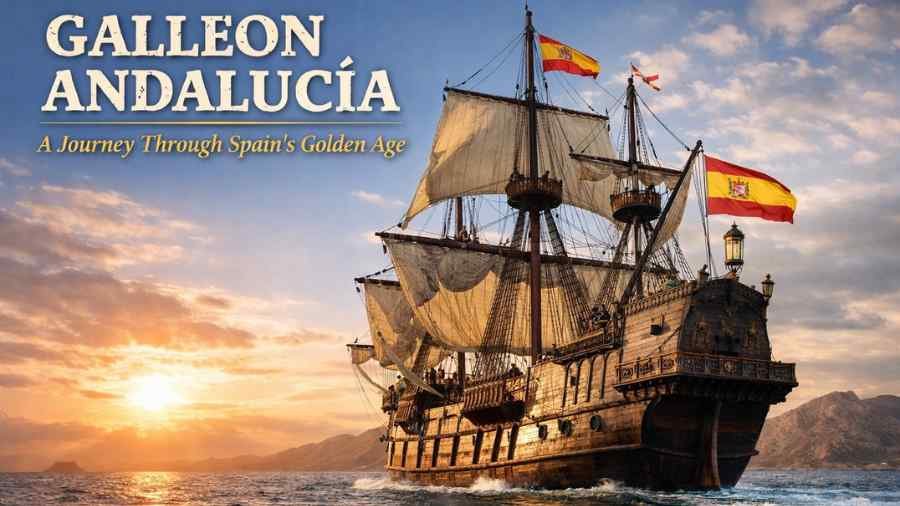
The Galleon Andalucia is far more than a ship; it is a living symbol of maritime history, craftsmanship, and cultural pride. Built as a faithful, full-scale replica of a historic Spanish galleon, this remarkable vessel brings the age of exploration vividly to life. When Spanish galleons ruled the oceans between the sixteenth and eighteenth centuries, they were the backbone of global trade, naval power, and cultural exchange. Today, the galleon andalucia allows modern audiences to step aboard that history and experience it first-hand.
The Historical Inspiration Behind the Galleon
To understand the importance of the galleon andalucia, it is essential to understand the role of Spanish galleons themselves. During the height of the Spanish Empire, galleons were the most advanced ships of their time. They were large, robust, and capable of crossing vast oceans while carrying cargo, soldiers, settlers, and ideas.
These ships connected Europe with the Americas, Africa, and Asia, forming early global trade routes. They transported silver, spices, textiles, and knowledge, but also carried people whose lives would shape history. Galleons were floating cities, sometimes at sea for months or even years, with crews living, working, and surviving in challenging conditions.
The galleon andalucia draws inspiration from these vessels, particularly those associated with Andalusia, a region deeply connected to Spain’s maritime legacy. Ports in southern Spain played a critical role in exploration and trade, making Andalusia a fitting namesake for such a project.
Design and Construction of Galleon Andalucia
The construction of the galleon andalucia was a meticulous process grounded in historical research. Shipbuilders, historians, and maritime experts worked together to study old manuscripts, ship plans, paintings, and archaeological evidence. Their goal was to recreate not just the appearance but also the spirit of a traditional galleon.
Built primarily from wood, the ship features multiple decks, towering masts, and an impressive sail plan that mirrors historical designs. The hull’s shape reflects the balance galleons needed between cargo capacity, stability, and speed. Decorative elements, such as carvings and colour schemes, are inspired by period aesthetics, giving the ship an authentic and imposing presence.
At the same time, modern safety standards are discreetly integrated. Navigation equipment, structural reinforcements, and safety systems ensure that the galleon can sail safely while remaining true to its historical roots. This careful balance allows the ship to operate as both an educational tool and a working vessel.
Life on Board a Historic Galleon
One of the most fascinating aspects of the galleon andalucia is how it demonstrates life at sea during the age of exploration. Visitors quickly realise that galleons were not comfortable places. Space was limited, privacy was non-existent, and daily life was governed by strict routines.
Crew members slept in cramped quarters, often sharing hammocks or simple bunks. Food was basic and preserved, designed to last long voyages rather than provide comfort. Fresh water was rationed, and hygiene was a constant challenge. Despite these hardships, crews developed strong bonds, relying on teamwork and discipline to survive.
The galleon andalucia showcases these realities through its layout and interpretive displays. Walking its decks offers a powerful reminder of the resilience and determination of the sailors who once crossed unknown seas with limited technology and immense risk.
Educational Value and Cultural Importance
Education lies at the heart of the galleon andalucia’s mission. By opening its decks to the public, the ship provides an immersive learning experience that books and screens cannot replicate. Visitors of all ages can see, touch, and walk through history.
Schools, families, and history enthusiasts gain insights into navigation techniques, shipbuilding methods, and daily maritime life. The ship also highlights the broader historical context of galleons, including trade, exploration, and cultural exchange. Importantly, it encourages reflection on the complexities of history, acknowledging both achievements and challenges associated with the era of empire.
As a cultural ambassador, the galleon andalucia promotes understanding and appreciation of Andalusian and Spanish maritime heritage. Each port visit becomes an opportunity for dialogue between cultures, connecting local communities with shared global history.
Global Voyages and Port Visits
Unlike replicas confined to docks, the galleon andalucia actively sails and undertakes international voyages. It has visited numerous ports across Europe and beyond, drawing large crowds wherever it appears. Its arrival often becomes a significant local event, attracting media attention and public interest.
These journeys echo the original purpose of galleons as vessels of connection. By sailing between countries and continents, the ship symbolically retraces historical routes while fostering modern cultural exchange. Each voyage also serves as a practical demonstration of traditional sailing techniques, showing that these historic designs were not merely beautiful but highly functional.
For many visitors, seeing the galleon andalucia in their local harbour creates a powerful sense of wonder. The ship’s towering masts and wooden hull stand in striking contrast to modern vessels, reminding people of humanity’s long relationship with the sea.
The Crew and Their Commitment
The operation of the galleon andalucia relies on a dedicated crew trained in traditional seamanship. These individuals are not only sailors but also educators and storytellers. Their role involves navigating the ship, maintaining its structure, and engaging with the public.
Living and working aboard a historic-style vessel requires commitment and adaptability. The crew must handle sails manually, understand traditional rigging, and work as a cohesive team. Their daily routines mirror, to some extent, those of historical sailors, providing authenticity to the experience.
Through guided tours and informal conversations, crew members share their knowledge and passion. This human element adds depth to the ship’s story, transforming it from an object into a living, breathing representation of maritime heritage.
Tourism and Local Economic Impact
When the galleon andalucia docks in a city, it often generates significant tourism interest. Visitors travel specifically to see the ship, contributing to local businesses such as hotels, restaurants, and shops. Cultural events, exhibitions, and educational programmes frequently accompany its visits, further enhancing its impact.
For port cities, hosting the galleon offers an opportunity to celebrate maritime history and attract diverse audiences. It also reinforces the importance of preserving cultural heritage as a driver of sustainable tourism. Rather than fleeting entertainment, the ship provides meaningful experiences that leave lasting impressions.
This combination of education, culture, and tourism makes the galleon andalucia a valuable asset not only for historical preservation but also for contemporary communities.
Why Galleon Andalucia Captivates Modern Audiences
In an age dominated by digital media and rapid technological change, the appeal of the galleon andalucia might seem surprising. Yet its popularity highlights a deep human desire for tangible connections to the past. Standing on a wooden deck, hearing the creak of timbers, and imagining life centuries ago offers an experience that virtual simulations cannot fully replace.
The ship also resonates because it tells stories of courage, curiosity, and endurance. The sailors of the galleon era faced immense uncertainty, driven by the hope of discovery and opportunity. Their journeys laid foundations for the interconnected world we live in today, for better and for worse.
By presenting this history in a balanced and engaging way, the galleon andalucia invites reflection rather than simple nostalgia. It encourages visitors to consider how history shapes identity, culture, and global relationships.
Preserving Maritime Heritage for the Future
Projects like the galleon andalucia play a crucial role in preserving maritime heritage. Traditional shipbuilding skills, sailing techniques, and historical knowledge risk being lost without active efforts to maintain them. By building, sailing, and sharing this vessel, those skills remain alive and relevant.
The ship also inspires future generations. Young visitors may develop an interest in history, engineering, or the sea itself. Some may pursue careers in maritime fields, conservation, or education, influenced by a single visit aboard the galleon.
Preservation, in this sense, is not only about protecting the past but also about shaping the future. The galleon andalucia demonstrates that history can be dynamic, engaging, and meaningful when brought into the present.
Conclusion
The galleon andalucia stands as a powerful reminder of humanity’s enduring relationship with the sea. As a faithful replica of a historic Spanish galleon, it bridges centuries, connecting modern audiences with the age of exploration through direct, immersive experience. Its design, voyages, educational mission, and cultural impact make it far more than a ship; it is a floating classroom, a cultural ambassador, and a testament to craftsmanship and courage.
By sailing the world’s waters and welcoming visitors aboard, the galleon andalucia ensures that maritime history remains alive, accessible, and relevant. In doing so, it honours the past while inspiring curiosity, understanding, and respect for the journeys that shaped our shared global story.