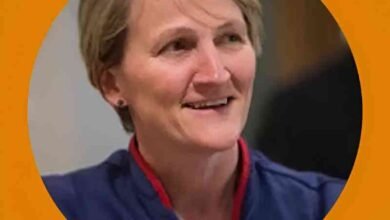
Rudy Sinharay is widely recognised in the United Kingdom as a respected consultant in respiratory medicine, combining clinical excellence with academic insight and patient-centred care. In an era where lung health has become a national and global priority, his work sits at the intersection of frontline NHS practice, research, and education. From managing complex respiratory diseases to contributing to the understanding of air pollution and lung health, Rudy Sinharay represents the modern physician: evidence-driven, compassionate, and deeply engaged with public health challenges.
Early Medical Path and Professional Development
The foundation of Rudy Sinharay’s career lies in rigorous medical training and a strong commitment to internal medicine. Like many leading UK consultants, his early years were shaped by demanding rotations across major teaching hospitals, where exposure to a wide range of acute and chronic conditions refined both his diagnostic skills and clinical judgement.
During specialist training in respiratory and general internal medicine, he worked within some of London’s most respected healthcare institutions. This environment fostered not only technical competence but also an appreciation of multidisciplinary care, an approach that is essential in respiratory medicine where conditions often overlap with cardiology, oncology, and intensive care.
Over time, this structured training pathway led him to consultancy status, marking a transition from trainee to leader within clinical teams. His progression reflects a balance of academic curiosity, hands-on experience, and dedication to patient outcomes.
Consultant Role in Respiratory and General Medicine
As a consultant respiratory physician, Rudy Sinharay plays a central role in diagnosing and managing diseases of the lungs and airways. Respiratory medicine is a broad specialty, covering conditions that range from common to life-threatening, and his work reflects this diversity.
In day-to-day practice, a respiratory consultant must interpret complex symptoms such as breathlessness, chronic cough, and chest pain, often supported by advanced imaging and physiological testing. Rudy Sinharay’s clinical approach is rooted in accuracy and clarity, ensuring that patients understand their condition and treatment plan rather than feeling overwhelmed by medical terminology.
Alongside respiratory care, his grounding in general internal medicine allows him to manage patients with multiple co-existing conditions. This holistic perspective is particularly valuable in older patients and those with long-term illness, where fragmented care can lead to poorer outcomes.
Expertise in Lung Cancer Diagnosis and Care
One of the most significant areas of Rudy Sinharay’s work is lung cancer. As one of the most common and serious cancers in the UK, lung cancer demands rapid diagnosis, precise staging, and coordinated treatment.
In this field, he has been closely involved in lung cancer services and multidisciplinary team working. Such teams bring together respiratory physicians, oncologists, radiologists, surgeons, pathologists, and specialist nurses to design tailored treatment strategies for each patient.
Early diagnosis is a recurring theme in modern lung cancer care, and clinicians like Rudy Sinharay contribute to improving pathways that reduce delays and improve survival. By integrating advanced diagnostic techniques with patient-focused communication, his role supports both clinical excellence and emotional reassurance during what is often a difficult period for patients and families.
Advanced Diagnostic and Interventional Skills
Modern respiratory medicine relies heavily on advanced procedures, and Rudy Sinharay is experienced in a range of diagnostic and interventional techniques. These include bronchoscopy and endobronchial ultrasound, procedures that allow doctors to visualise the airways and sample tissue with precision.
Such skills are essential not only for cancer diagnosis but also for investigating infections, inflammatory conditions, and unexplained respiratory symptoms. Mastery of these techniques reflects a high level of specialist training and ongoing professional development.
Beyond the technical aspects, there is a human dimension to these procedures. Patients often feel anxious before invasive tests, and the ability to explain the process clearly and provide reassurance is as important as technical accuracy. This blend of skill and empathy is a hallmark of respected consultants in the field.
Chronic Respiratory Conditions and Long-Term Care
Chronic respiratory diseases such as asthma and chronic obstructive pulmonary disease place a significant burden on individuals and the NHS. Managing these conditions effectively requires long-term planning rather than one-off interventions.
Rudy Sinharay’s work includes supporting patients with chronic breathlessness, recurrent exacerbations, and lifestyle limitations caused by lung disease. Treatment strategies typically combine medication, education, pulmonary rehabilitation, and regular follow-up.
What distinguishes high-quality chronic care is attention to detail and consistency. Adjusting treatment plans as symptoms change, encouraging adherence, and addressing environmental or occupational triggers all contribute to improved quality of life. Through this approach, patients are better equipped to manage their condition and remain active and independent.
Academic Research and Scientific Contribution
Alongside clinical practice, Rudy Sinharay has made meaningful contributions to academic research. His research interests have included the effects of air pollution on respiratory and cardiovascular health, an area of growing importance as urbanisation and environmental concerns intensify.
Research in this field bridges individual patient care and public health policy. By studying how pollutants affect lung function and disease progression, clinicians and researchers can provide evidence that informs national guidelines and environmental standards.
Academic work also strengthens clinical practice. Doctors who engage with research are often better placed to evaluate new evidence, adopt effective innovations, and challenge outdated practices. Rudy Sinharay’s academic background therefore enhances his role as a consultant who remains aligned with current and emerging knowledge.
Teaching and Mentorship in Medical Education
Education is a vital component of sustainable healthcare, and experienced consultants play a crucial role in training the next generation of doctors. Rudy Sinharay has been involved in teaching and mentorship, sharing knowledge with medical students, junior doctors, and specialist trainees.
Teaching in medicine is not limited to lectures. It includes bedside supervision, case discussions, and the modelling of professional behaviour. Through these interactions, trainees learn not only clinical facts but also communication skills, ethical judgement, and teamwork.
Mentorship also supports career development, helping younger doctors navigate training pathways and make informed decisions about specialisation. By contributing to education, Rudy Sinharay extends his impact beyond individual patients to the future of respiratory medicine in the UK.
Role within the NHS and Multidisciplinary Collaboration
Working within the NHS requires collaboration, adaptability, and a strong sense of responsibility. Consultants often balance clinical duties with service development, audit, and leadership tasks.
Rudy Sinharay’s work within NHS hospitals reflects these demands. Participation in service improvement initiatives, clinical governance, and quality assurance helps ensure that patient care remains safe, effective, and efficient.
Multidisciplinary collaboration is particularly important in respiratory medicine, where complex cases benefit from diverse expertise. Effective teamwork improves diagnostic accuracy and treatment outcomes while also supporting staff wellbeing in high-pressure environments.
Private Practice and Patient Choice
In addition to NHS work, some consultants also practise privately, offering patients additional choice in how and where they receive care. In private settings, the focus often includes extended consultation time, rapid access to investigations, and continuity with a named specialist.
For patients, this option can be particularly valuable when seeking second opinions or managing long-term conditions that require regular review. The standards of care remain rooted in evidence-based medicine, with an emphasis on clear communication and personalised treatment plans.
Public Engagement and Awareness of Lung Health
Beyond clinics and lecture halls, respiratory specialists increasingly contribute to public awareness of lung health. Topics such as smoking cessation, air quality, and early symptom recognition have far-reaching implications for population health.
By engaging in discussions around these issues, clinicians like Rudy Sinharay help bridge the gap between medical knowledge and everyday life. Clear, accessible information empowers individuals to make informed decisions and seek timely medical advice.
Public engagement also reinforces trust in the medical profession, demonstrating transparency and a commitment to community wellbeing.
Professional Reputation and Patient Experience
A consultant’s reputation is shaped not only by qualifications and research but also by patient experience. Trust, empathy, and reliability are qualities that patients consistently value.
In respiratory medicine, where symptoms can be frightening and chronic conditions emotionally draining, the doctor-patient relationship is especially important. A calm manner, willingness to listen, and honest discussion of options contribute to a positive care experience.
These qualities underpin professional respect among colleagues and confidence among patients, reinforcing the standing of Rudy Sinharay within his specialty.
The Wider Impact of Respiratory Medicine Today
Respiratory medicine has gained heightened visibility in recent years, reflecting both demographic change and environmental pressures. Specialists in this field play a critical role in responding to emerging challenges while maintaining high standards of everyday care.
Rudy Sinharay’s career illustrates how modern consultants integrate clinical work, research, teaching, and leadership. This multifaceted approach ensures that respiratory medicine continues to evolve in line with scientific advances and societal needs.
Conclusion
Rudy Sinharay stands as a prominent figure in UK respiratory medicine, combining clinical expertise with academic insight and a commitment to education. His work spans the diagnosis and management of complex lung diseases, contributions to research on air pollution and health, and the training of future doctors.
Through patient-centred care, multidisciplinary collaboration, and ongoing engagement with scientific evidence, he exemplifies the role of the modern consultant physician. In a healthcare landscape where lung health remains a critical priority, Rudy Sinharay’s professional journey highlights the impact that dedicated, knowledgeable, and compassionate clinicians can have on individuals and the wider community.