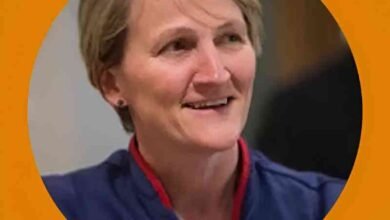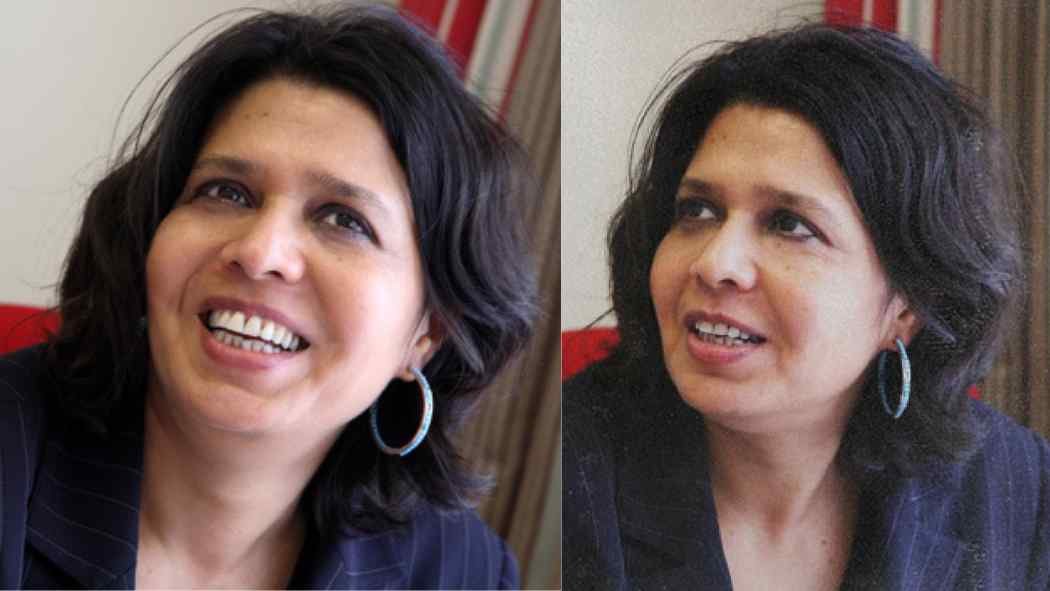
Geeta Nargund is widely recognised as one of the most influential figures in modern reproductive medicine. Over several decades, she has helped reshape how fertility treatment is understood, delivered, and discussed in the United Kingdom and beyond. Her work has challenged long-held assumptions about in vitro fertilisation, placing patient wellbeing, safety, and ethical responsibility at the centre of clinical practice. Through medical leadership, research, education, and public advocacy, she has become a trusted authority in a field that affects millions of families worldwide.
Early Life and Medical Foundations
Geeta Nargund was born in India and developed an early interest in science and medicine. Her decision to pursue a medical career was shaped by a strong academic background and a desire to improve women’s health outcomes. After completing her primary medical education in India, she moved to the United Kingdom to continue her professional training.
The UK’s rigorous postgraduate medical environment played a key role in shaping her clinical discipline. She specialised in obstetrics and gynaecology, a field demanding both technical precision and emotional intelligence. During her early hospital years, she became acutely aware of the physical and psychological burden faced by women undergoing fertility treatment. This awareness later became a defining feature of her work.
Entry into Reproductive Medicine
At a time when assisted reproduction was still evolving, Geeta Nargund entered the field of reproductive medicine with a questioning mindset. Conventional IVF protocols often relied on high doses of hormonal stimulation, which could be physically taxing and emotionally overwhelming for patients. She recognised that success in fertility treatment should not be measured solely by pregnancy rates, but also by patient safety, long-term health, and emotional wellbeing.
Her clinical experience convinced her that gentler approaches could offer comparable outcomes while reducing risks. This belief became the foundation of her future contributions to fertility medicine.
Championing Natural and Mild IVF
One of Geeta Nargund’s most significant contributions is her leadership in promoting natural and mild IVF treatments. These approaches aim to work more closely with a woman’s natural menstrual cycle, using minimal or no ovarian stimulation drugs.
Natural IVF typically involves collecting a single egg produced during a natural cycle, while mild IVF uses lower doses of medication to stimulate the ovaries gently. These methods reduce the risk of complications such as ovarian hyperstimulation syndrome and often result in fewer side effects.
Her advocacy for these techniques was initially met with scepticism in some medical circles. However, through consistent research, clinical data, and patient outcomes, she demonstrated that cumulative success rates over multiple cycles could be highly effective. Importantly, patients reported feeling more in control and less physically burdened during treatment.
Contributions to Clinical Research
Research has always been central to Geeta Nargund’s professional identity. She has authored and co-authored a substantial body of peer-reviewed research focusing on fertility outcomes, ultrasound assessment, and patient-centred IVF models.
Her work on cumulative live birth rates helped shift how success in fertility treatment is evaluated. Rather than focusing on results from a single cycle, her research encouraged clinicians to consider outcomes across multiple cycles, offering a more realistic and compassionate measure of success.
She has also been involved in advancing ultrasound techniques to assess ovarian function and egg quality, supporting more informed clinical decision-making and personalised treatment plans.
Leadership in Fertility Services
Beyond research and clinical practice, Geeta Nargund has played a pivotal role in shaping fertility services at an organisational and national level. She has held senior consultant positions within the National Health Service, where she worked to improve access to fertility care and raise clinical standards.
Her leadership style is characterised by clarity, ethical focus, and patient advocacy. She has consistently argued that fertility services should not be driven solely by commercial considerations, but by evidence-based medicine and transparent patient communication.
As a founder of fertility clinics dedicated to mild and natural IVF, she helped create care models that prioritised informed choice and affordability. These clinics became influential examples of how fertility treatment could be delivered differently within the UK healthcare landscape.
Regulatory and Advisory Roles
Geeta Nargund’s expertise has been recognised at the highest levels of healthcare governance. She has served in advisory and regulatory roles related to fertility treatment, contributing to policy discussions on safety, ethics, and patient rights.
Her involvement with regulatory bodies has focused on ensuring that fertility clinics operate responsibly, provide accurate success data, and uphold the highest professional standards. She has also been vocal about the need for clear patient information, enabling individuals and couples to make informed decisions without pressure or misinformation.
Advocacy for Fertility Education
A key element of Geeta Nargund’s public work is her commitment to fertility education. She has repeatedly highlighted the lack of awareness surrounding age-related fertility decline and reproductive health in general education systems.
Through public speaking, media engagement, and educational initiatives, she has called for fertility awareness to be included in school curricula. Her argument is grounded in prevention and empowerment, enabling people to make life choices with a clearer understanding of their reproductive options.
This advocacy has contributed to broader public conversations about fertility, career planning, and women’s health, helping to reduce stigma and misinformation.
Global Perspective on Reproductive Health
While her primary work has been based in the United Kingdom, Geeta Nargund’s influence extends internationally. She has collaborated with global organisations focused on making fertility treatment more accessible and affordable, particularly in low-resource settings.
Her support for simplified IVF models aligns with global health priorities, aiming to reduce costs without compromising safety. By sharing knowledge and best practices internationally, she has contributed to a more inclusive vision of reproductive healthcare.
Commitment to Ethics and Patient Welfare
Ethics remain central to Geeta Nargund’s professional philosophy. She has consistently emphasised that fertility treatment involves vulnerable patients who deserve honesty, respect, and emotional support.
She has spoken openly about the risks of over-treatment and the psychological pressure often associated with assisted reproduction. Her approach encourages clinicians to view patients as partners in care rather than passive recipients of treatment.
This ethical stance has earned her respect among colleagues and patients alike, reinforcing trust in a field that can sometimes feel overwhelming or commercialised.
Public Recognition and Influence
Over the years, Geeta Nargund has received numerous professional recognitions for her contributions to medicine, leadership, and diversity in healthcare. These acknowledgements reflect not only her clinical achievements but also her role as a role model for women in medicine.
Her visibility in public discourse has helped humanise fertility medicine, presenting it as both a scientific and deeply personal journey. By communicating with clarity and compassion, she has bridged the gap between complex medical concepts and everyday understanding.
Legacy in Modern Fertility Care
The legacy of Geeta Nargund lies in her ability to challenge norms while remaining firmly rooted in evidence-based medicine. Her work has expanded the definition of success in fertility treatment, placing equal value on safety, sustainability, and patient experience.
Many of the principles she championed are now widely accepted, influencing how clinics design treatment protocols and communicate with patients. Her impact is visible not only in published research and clinical outcomes, but in the evolving culture of fertility care itself.
Conclusion
Geeta Nargund stands as a defining figure in contemporary reproductive medicine. Through clinical innovation, rigorous research, ethical leadership, and public advocacy, she has transformed how fertility treatment is delivered and understood. Her emphasis on patient-centred care, education, and responsible practice continues to shape the future of reproductive health in the United Kingdom and beyond.