Helen Roseveare: The Courageous British Missionary Doctor Who Transformed Lives in the Congo

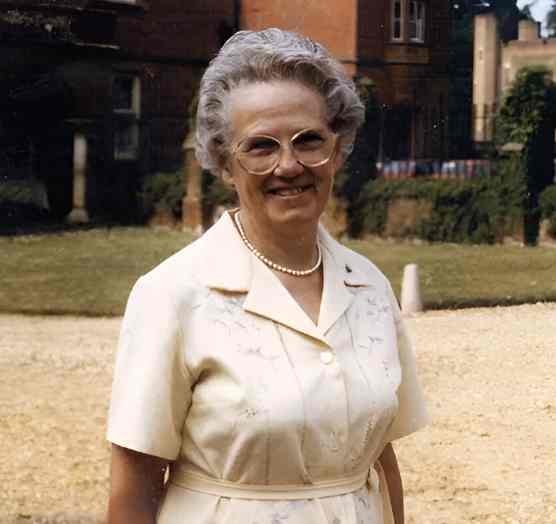
Helen Roseveare remains one of the most compelling figures in twentieth-century British missionary history. A trained doctor, gifted teacher, and resilient Christian, she devoted much of her life to serving in the Democratic Republic of the Congo during periods of both stability and violent upheaval. Her story is not simply one of missionary zeal; it is a narrative shaped by intellectual rigour, physical endurance, profound suffering, and a steadfast faith that refused to collapse under pressure.
Born in England and educated at Cambridge, Helen Roseveare combined academic excellence with practical compassion. Her decision to leave a promising medical career in the United Kingdom and serve in Central Africa marked the beginning of decades of transformative work. She built hospitals, trained local medical staff, and left a legacy that continues to influence missionary medicine and Christian discipleship today.
Early Life and Education in Britain
Childhood and Academic Promise
Helen Roseveare was born on 21 September 1925 in Hertfordshire, England. Raised in a middle-class family, she demonstrated intellectual ability from a young age. Her academic talents led her to Newnham College, Cambridge, where she studied medicine. At a time when female doctors were still relatively uncommon, her determination and discipline set her apart.
During her university years, she underwent a profound spiritual conversion. Although she had some exposure to Christian teaching earlier in life, it was in Cambridge that her faith became deeply personal. This transformation would shape every major decision she made thereafter.
Medical Training and Growing Conviction
After completing her medical studies, she undertook hospital training in the United Kingdom. She quickly realised that medicine, for her, was not simply a profession but a calling. The idea of serving overseas began to take root. Influenced by missionary speakers and Christian peers, she sensed that her skills could be used where medical resources were scarce.
Her conviction strengthened to the point that she joined WEC International (Worldwide Evangelisation Crusade), a missionary organisation known for its emphasis on sacrificial service and evangelism. This decision marked the formal beginning of her missionary journey.
Calling to the Congo
Departure from Britain
In 1953, at just 28 years old, Helen Roseveare travelled to the Belgian Congo, now the Democratic Republic of the Congo. The region faced immense healthcare challenges. Rural populations had little access to trained doctors, modern equipment, or structured medical facilities.
Rather than simply assist in existing structures, she became instrumental in establishing new ones.
Establishing Medical Infrastructure
In the north-eastern region of the Congo, she helped build hospitals from the ground up. This was no minor administrative task. It involved sourcing materials, organising construction, securing funding, and training staff. In remote areas with limited roads and unreliable supply chains, such work demanded physical resilience and problem-solving skills.
She founded a hospital at Nebobongo and later expanded her work to include nursing schools and rural clinics. Importantly, she prioritised training Congolese staff. Rather than create dependency on foreign missionaries, she invested in empowering local men and women with medical expertise.
This long-term vision distinguished her work from short-term relief efforts. She believed sustainability was essential.
Medical Practice in Challenging Conditions
Clinical Work and Community Outreach
Working in tropical climates with limited equipment, she treated a vast range of conditions: malaria, leprosy, obstetric complications, severe infections, and traumatic injuries. Many patients arrived after travelling long distances on foot.
Surgical procedures were often carried out with basic instruments. Electricity was inconsistent. Supplies were rationed carefully. Yet the hospital became known as a centre of competence and compassion.
Her approach combined professional excellence with personal involvement. She frequently visited villages to assess needs and encourage preventative healthcare measures.
Training Local Medical Professionals
One of her greatest contributions was the establishment of paramedical training programmes. She believed that equipping Congolese nationals to serve their own communities was vital for long-term development.
Students were trained not only in medical technique but also in leadership and responsibility. Many went on to become respected healthcare workers in their regions.
The Congo Crisis and Personal Suffering
Political Upheaval
In 1960, the Congo gained independence from Belgium. What followed was a period of political instability known as the Congo Crisis. Rebel factions, regional conflicts, and power struggles led to violence in many areas, including those where missionaries were stationed.
By 1964, conditions had deteriorated dramatically.
Captivity and Trauma
During the Simba rebellion, Helen Roseveare was captured along with other missionaries. She endured imprisonment, physical assault, and sexual violence. These experiences left deep emotional and physical scars.
What makes her story extraordinary is not simply that she survived, but that she later spoke openly about the experience in ways that emphasised forgiveness rather than bitterness. She acknowledged the trauma honestly while also describing how her faith sustained her through despair.
After her release, she returned to Britain temporarily to recover. Yet she made the remarkable decision to return to the Congo in 1966 to continue medical work and rebuild what had been destroyed.
Return and Reconstruction
Rebuilding Medical Services
Upon her return, she helped restore damaged facilities and re-establish training programmes. The task required renewed courage. Political uncertainty had not vanished entirely, and resources remained scarce.
Her willingness to go back demonstrated profound commitment to the people she served.
Long-Term Impact
By the early 1970s, she had spent two decades in African medical mission work. When she finally returned to Britain in 1973, she left behind functioning institutions and trained professionals who could carry forward the work.
The structures she helped establish continued to benefit communities long after her departure.
Literary and Teaching Ministry in the UK
Author and Speaker
After returning to Britain, Helen Roseveare became a sought-after speaker at churches, universities, and conferences. Her experiences in Africa gave weight to her teaching. She spoke candidly about suffering, obedience, sacrifice, and joy in service.
She authored numerous books, including Doctor Among Congo Rebels, Give Me This Mountain, and He Gave Us a Valley. These works combined autobiographical narrative with theological reflection.
Her writing style was direct and unembellished. Rather than romanticise missionary life, she described its hardships alongside its rewards.
Influence on Christian Thought
Her reflections on suffering were particularly influential. She argued that hardship, when endured in faith, deepens spiritual maturity. This perspective resonated strongly in post-war Britain, where many were grappling with questions about pain and purpose.
Helen Roseveare became an emblem of perseverance rooted in conviction rather than sentimentality.
Character and Leadership Style
Intellectual Integrity
Trained at Cambridge, she approached faith with intellectual seriousness. She rejected simplistic answers to complex problems. Her talks frequently included careful reasoning alongside personal testimony.
Practical Courage
Her courage was not theatrical. It was visible in daily decisions: staying when evacuation was advised, treating patients during unrest, returning after trauma.
Humility and Discipline
Despite recognition, she maintained a modest lifestyle. She never portrayed herself as heroic. Instead, she emphasised reliance on God and teamwork with colleagues.
Broader Historical Context
Women in Missionary Medicine
In the mid-twentieth century, female physicians were still establishing their professional credibility. By excelling in both medical and administrative roles, Helen Roseveare contributed to changing perceptions about women in leadership.
British Missionary Legacy
Her work reflects a broader tradition of British overseas missions. However, her emphasis on training local leaders and avoiding paternalism aligned with emerging post-colonial sensitivities.
She understood that genuine partnership required respect for local culture and initiative.
Enduring Legacy
Helen Roseveare passed away on 7 December 2016 at the age of 91. Tributes highlighted her courage, intellect, and compassion.
Her legacy can be summarised in several key areas:
- Sustainable medical institutions in the Congo
- Training programmes empowering local healthcare workers
- Influential books on suffering and discipleship
- Inspiration to generations of Christian professionals
Even decades after her return from Africa, her story continues to be taught in missionary colleges and referenced in discussions about faith under persecution.
FAQs
Who was Helen Roseveare?
Helen Roseveare was a British medical doctor and missionary who served in the Congo from the 1950s to the 1970s, establishing hospitals and training local medical staff.
What happened to her during the Congo Crisis?
During the 1964 rebellion, she was imprisoned and subjected to severe abuse by rebel forces. She later spoke openly about the experience and returned to continue her work.
What books did she write?
She authored several influential Christian books, including Doctor Among Congo Rebels and Give Me This Mountain, reflecting on mission work and spiritual endurance.
Why is she significant in British missionary history?
Her combination of medical excellence, resilience under persecution, and commitment to local empowerment makes her one of the most respected British missionaries of the twentieth century.
Did she return to Africa after captivity?
Yes, after recovering in Britain, she returned to the Congo in 1966 to rebuild medical services and continue training programmes.
Conclusion
The life of Helen Roseveare stands as a remarkable example of disciplined intellect joined with sacrificial compassion. From Cambridge lecture halls to remote Congolese clinics, her journey traversed comfort, conflict, trauma, and restoration. She refused to allow suffering to define her negatively; instead, she transformed it into a testimony of endurance and grace.