Hemswell Cliff: The Remarkable Transformation of a Historic RAF Base into a Thriving Lincolnshire Community

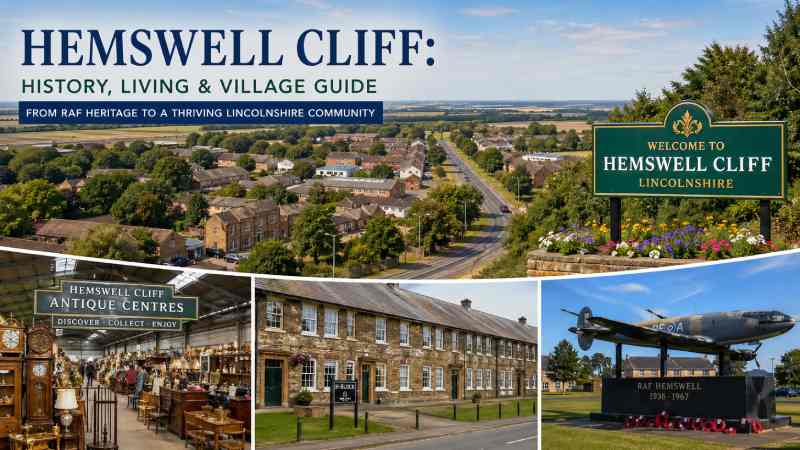
Hemswell Cliff is one of those rare places in England where history, resilience, and reinvention come together in a truly compelling way. Situated in the peaceful county of Lincolnshire, this small yet distinctive village has grown from its origins as a Royal Air Force station into a vibrant residential and commercial hub. Unlike many traditional English villages that evolved gradually over centuries, Hemswell Cliff has a more defined and fascinating origin story—one rooted in aviation history, wartime service, and post-war adaptation.
Today, Hemswell Cliff offers far more than meets the eye. It is not just a settlement but a living example of how communities can successfully transition from military to civilian life while preserving their heritage. From antique markets to business units, from quiet residential streets to historical remnants of wartime infrastructure, the area holds a unique charm that continues to attract visitors, traders, and residents alike.
The Origins of Hemswell Cliff
Early Development and Military Foundations
The story of Hemswell Cliff begins in the early 20th century, during a time when aviation was becoming increasingly important for both defence and innovation. The area that is now known as Hemswell Cliff was originally developed as RAF Hemswell, one of the Royal Air Force’s early operational bases.
Established during the 1930s, RAF Hemswell quickly became an integral part of Britain’s military infrastructure. Its strategic location on elevated land made it ideal for air operations, offering both visibility and accessibility. As tensions in Europe escalated, the base was prepared for active service, and by the outbreak of the Second World War, it was fully operational.
Role During the Second World War
During the Second World War, RAF Hemswell played a crucial role under Bomber Command. Squadrons based here were involved in bombing operations over Europe, contributing to Britain’s broader military strategy against Axis forces. The airfield became a hub of intense activity, with aircraft taking off on missions that often carried significant risk.
The base was not only important strategically but also emotionally significant. For many airmen, it was the last place they stood before embarking on dangerous missions. The courage and sacrifice associated with RAF Hemswell remain an important part of the identity of Hemswell Cliff today.
Post-War Changes and Decline of RAF Use
Transition After 1945
Following the end of the war, RAF Hemswell continued to operate, though its role gradually changed. The urgency of wartime operations gave way to training, support, and administrative functions. Like many military installations across Britain, it faced uncertainty as defence priorities shifted during the post-war period.
During the Cold War, the base retained some importance, but technological advancements and changing defence strategies reduced the need for such facilities. Eventually, the decision was made to close RAF Hemswell, marking the end of its military chapter.
Closure in 1967
The base officially closed in 1967. For many communities, the closure of a military installation leads to decline and economic hardship. However, Hemswell Cliff would take a different path. Instead of fading into obscurity, the area began a remarkable process of transformation.
The Birth of a Civilian Community
Conversion of Military Housing
After the RAF vacated the site, the existing housing units—originally built for service personnel—were repurposed for civilian use. These properties became the foundation of a new residential community. Over time, families moved in, schools were established, and a sense of normal village life began to take shape.
Unlike traditional villages with centuries-old cottages, Hemswell Cliff has a more uniform architectural style, reflecting its military origins. This gives the village a distinctive character that sets it apart from neighbouring areas.
Formation of the Parish
Hemswell Cliff officially became its own civil parish in 1991. This administrative step marked its recognition as a distinct community, separate from the nearby village of Hemswell. The establishment of a parish council allowed residents to have a greater say in local governance and development.
Geography and Landscape
The Lincoln Cliff Escarpment
One of the defining features of Hemswell Cliff is its location on the Lincoln Cliff, a prominent escarpment that runs through Lincolnshire. This elevated position offers wide-ranging views across the surrounding countryside, particularly towards the Trent Valley.
The landscape is characterised by open fields, gentle slopes, and a sense of spaciousness that is typical of rural eastern England. The natural setting contributes significantly to the appeal of the area, providing a peaceful environment for residents.
Connectivity and Accessibility
Despite its rural setting, Hemswell Cliff is well connected by road. The nearby A15 and A631 routes provide access to larger towns and cities, including Gainsborough, Lincoln, and Scunthorpe. This makes it an attractive location for those who want to enjoy countryside living without being isolated.
Economic Development and the Trading Estate
Transformation of the Airfield
One of the most successful aspects of Hemswell Cliff’s redevelopment is the conversion of the former airfield into a thriving trading estate. Instead of demolishing the existing structures, many were adapted for commercial use.
Hangars and other large buildings became ideal spaces for workshops, storage units, and retail outlets. This approach preserved the historical fabric of the site while giving it a new economic purpose.
A Hub for Small Businesses
Today, the Hemswell Cliff trading estate is home to a wide variety of businesses. These include:
Antique dealers and collectors
Furniture shops and restoration services
Garden centres and home improvement stores
Light industrial units and workshops
Cafés and local eateries
This diverse mix of enterprises has turned Hemswell Cliff into an important local economic centre. It attracts visitors from across Lincolnshire and beyond, particularly those interested in antiques and vintage items.
The Famous Antique Centres
Hemswell Cliff is especially well known for its antique centres, which are among the largest in the UK. These centres house hundreds of dealers offering everything from furniture and jewellery to memorabilia and collectibles.
The antique trade has become a defining feature of the village, drawing in enthusiasts, collectors, and casual visitors alike. Regular markets and events further enhance its reputation as a destination for unique finds.
Community Life in Hemswell Cliff
A Quiet Yet Active Village
Although it has a strong commercial element, Hemswell Cliff remains a peaceful residential community. The pace of life is slower than in urban areas, making it an appealing place for families, retirees, and those seeking a quieter lifestyle.
The village offers a range of basic amenities, including:
A primary school
Local shops
Health and personal care services
Community spaces
These facilities support everyday life and contribute to a sense of belonging among residents.
Social Connections and Events
Community spirit is an important aspect of life in Hemswell Cliff. Local events, markets, and gatherings provide opportunities for residents to connect and engage with one another. The shared history of the area also fosters a sense of identity and pride.
Heritage and Preservation
Maintaining RAF Architecture
One of the most striking aspects of Hemswell Cliff is the preservation of its RAF-era buildings. Rather than being demolished, many of these structures have been carefully maintained and repurposed.
The distinctive “H-block” buildings, in particular, remain a visible reminder of the village’s military past. These structures now house shops, offices, and other facilities, blending history with modern functionality.
Cultural Projects and Museums
Efforts have been made to preserve and celebrate the heritage of the area. One notable example is the Broadcast Engineering Museum, which showcases historic broadcasting equipment and highlights technological developments over time.
Such initiatives add cultural depth to the village and provide educational opportunities for visitors.
Nearby Attractions and Surroundings
Gainsborough and Beyond
Hemswell Cliff is located close to the town of Gainsborough, which offers additional amenities, shopping, and historical attractions. Gainsborough Old Hall, for example, is one of the best-preserved medieval manor houses in England.
Rural Lincolnshire
The surrounding countryside is ideal for walking, cycling, and exploring. The open landscapes and quiet roads make it a pleasant area for outdoor activities. Nearby villages and landmarks add to the variety of experiences available in the region.
Challenges and Opportunities
Balancing Growth and Character
As Hemswell Cliff continues to develop, one of the key challenges is maintaining its unique character while accommodating growth. The balance between residential life and commercial activity must be carefully managed to ensure sustainability.
Future Potential
The village has significant potential for further development, particularly in areas such as tourism and heritage conservation. Its distinctive history and thriving business environment provide a strong foundation for future success.
Why Hemswell Cliff Stands Out
Hemswell Cliff is not a typical English village. Its origins as a military base give it a clear starting point, and its subsequent transformation demonstrates adaptability and innovation.
Key reasons why it stands out include:
Its unique RAF heritage
Successful reuse of military infrastructure
Strong local economy driven by small businesses
Popular antique centres attracting visitors from afar
Peaceful rural setting with good connectivity
These factors combine to create a place that is both historically significant and practically modern.
FAQs
What is Hemswell Cliff best known for?
Hemswell Cliff is best known for its transformation from a former Royal Air Force base into a thriving civilian village. It is particularly famous for its large antique centres and busy trading estate, which attract visitors from across the UK.
Is Hemswell Cliff a good place to live?
Yes, Hemswell Cliff is considered a good place to live for those seeking a quiet, rural lifestyle with access to essential amenities. Its peaceful environment, strong community feel, and reasonable connectivity to nearby towns make it appealing for families and retirees.
Can you visit Hemswell Cliff as a tourist?
Absolutely. Visitors often come to explore the antique centres, weekend markets, and unique RAF-era buildings. It is a popular destination for collectors, history enthusiasts, and those looking for something different in the Lincolnshire countryside.
Conclusion
Hemswell Cliff represents a remarkable journey from military stronghold to thriving civilian community. Its roots in RAF history give it a depth and character that few villages can match, while its ongoing development shows how adaptability can lead to success.
Today, it stands as a testament to the power of reinvention. By preserving its heritage and embracing new opportunities, Hemswell Cliff has become a place where history and modern life coexist harmoniously. Whether viewed as a residential haven, a business hub, or a historical site, it offers a unique perspective on the evolving landscape of rural England.