Andy Trenier: The Precentor Behind Winchester Cathedral’s Modern Transformation and Controversies

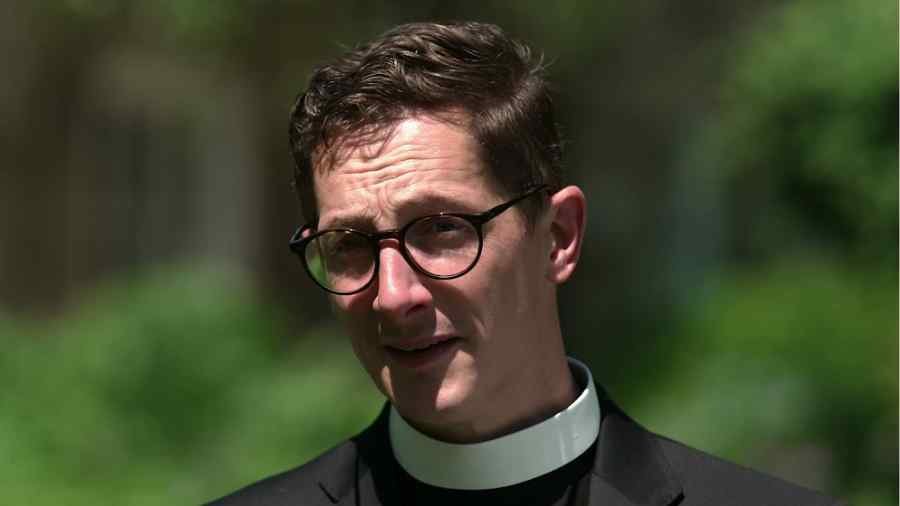
Andy Trenier has become a widely recognised figure in the landscape of the Church of England, particularly through his work as Precentor at Winchester Cathedral. Known for his energy, creativity and ambitious leadership style, he has been both praised for modernising worship and criticised for the turbulence that accompanied these reforms. His journey provides a compelling look at the balance between tradition and transformation within one of England’s most historic religious institutions.
Early Life and Background
Although details about Andy Trenier’s early years are not extensively publicised, his path clearly reflects a deep and lifelong commitment to ministry and music. Before joining Winchester Cathedral, Trenier spent years developing his skills in pastoral leadership, liturgy, and digital communication — areas that have defined his work ever since.
From an early stage, Trenier showed an unusual combination of interests: theology, performance, and the power of communication. His education prepared him not just to serve in a church setting but to connect with a modern audience increasingly shaped by technology and media. That unique blend of skills would later make him a natural fit for a cathedral seeking to bridge heritage with innovation.
Role as Precentor at Winchester Cathedral
As Precentor, Andy Trenier holds one of the most public and visible positions within Winchester Cathedral. The Precentor’s duties involve leading worship, overseeing the musical life of the cathedral, and ensuring that liturgy is both spiritually authentic and relevant to the times.
Trenier quickly became known for his enthusiasm and willingness to embrace change. He encouraged digital transformation — promoting online worship, virtual events, and multimedia engagement. During and after the COVID-19 pandemic, when physical attendance was restricted, his leadership was key in ensuring that Winchester Cathedral’s voice reached congregations around the world.
Digital Engagement and Innovation
One of Andy Trenier’s greatest contributions has been his commitment to digital innovation in worship. He understood that in an age where faith communities compete with constant online distractions, the church’s message had to evolve. His introduction of live-streamed services, social-media storytelling and virtual outreach campaigns breathed new life into the cathedral’s public presence.
Under his guidance, the cathedral’s communications became more visually engaging and accessible. Videos, podcasts and short reflections began to reach audiences far beyond Hampshire, attracting interest from younger generations and those who might never have attended a traditional cathedral service. This focus on inclusion and communication represented a significant cultural shift for an institution often perceived as formal and reserved.
The Music Strategy: A Vision for Renewal
Central to Trenier’s work was a new music strategy for Winchester Cathedral. This ambitious plan aimed to refresh the choral tradition, enhance participation, and strengthen the educational pathways for choristers. It sought to make sacred music more inclusive, with greater opportunities for diverse voices and contemporary expression.
Trenier believed that the cathedral’s music should serve as a bridge between old and new, honouring centuries-old Anglican choral heritage while adapting to the expectations of modern worshippers. His proposals touched on choir structure, recruitment, training, and even the overall presentation of music during major festivals and events.
For many, this was an exciting and necessary development. Supporters saw it as a step toward ensuring the cathedral’s relevance in the twenty-first century. Yet, as is often the case with reform, the process was not without resistance or controversy.
Leadership Challenges and Internal Conflict
In early 2025, Winchester Cathedral became the subject of a review that identified significant failings in leadership and communication. The report noted that the introduction of the new music strategy had not been properly managed or consulted upon.
According to the review, many staff members and musicians felt alienated by the pace of change. Some viewed Trenier’s management style as too assertive, while others defended his approach as visionary and necessary in a setting that had long resisted reform.
The tension escalated into what some reports described as a culture of “silo working,” where departments operated independently rather than collaboratively. This, combined with the departure of key musical personnel, created further strain.
While the details remain largely confidential, it is clear that Trenier’s efforts to modernise the institution brought both progress and disruption. The very qualities that made him a dynamic leader — decisiveness, creativity and drive — also made him a lightning rod for criticism.
Public Reactions and Institutional Reflection
The news of internal conflict at Winchester Cathedral was covered widely across church media, leading to public debate about leadership styles within religious institutions. Some commentators argued that the challenges reflected the broader struggle between tradition and innovation across the Church of England.
Supporters pointed out that change is never easy, especially in organisations rooted in centuries of ritual and hierarchy. Trenier’s defenders emphasised that his vision was aligned with the Church’s future — a more accessible, digitally fluent and socially aware form of worship. Critics, however, questioned whether the reforms had been introduced with sufficient consultation and pastoral sensitivity.
The cathedral’s governing body responded by promising stronger communication channels, better staff support and clearer leadership structures. It remains to be seen how these measures will shape the future, but the episode has already become a case study in change management within faith institutions.
Beyond the Cathedral Walls
Outside the controversies, Andy Trenier has continued to inspire those who value creative leadership and innovation in faith settings. His work in digital liturgy, public events and community engagement has earned respect across many dioceses.
He has been involved in festivals, educational outreach programmes and inter-faith collaborations that demonstrate his broader vision for the Church’s role in society. In videos and interviews, he often speaks about the importance of hope, beauty and storytelling in spiritual life — ideas that resonate strongly in an era of uncertainty and division.
Trenier’s ability to connect traditional faith narratives with modern media techniques has positioned him as a thought-leader in the evolving world of ecclesiastical communication. For many clergy and lay leaders, he represents a model of how to bring ancient institutions into the digital age without losing their sacred essence.
Lessons in Leadership and Communication
The story of Andy Trenier carries valuable lessons for anyone interested in leadership, whether in church, business or creative industries. The first lesson is that innovation must be paired with empathy. While bold change is often necessary, it cannot succeed without listening to the people it affects.
The second lesson is that transparency and communication are as vital as vision. Trenier’s experience shows that even well-intentioned strategies can backfire if they are not clearly explained and collaboratively developed.
Finally, his journey illustrates the importance of resilience. Public leadership, particularly in faith communities, exposes individuals to intense scrutiny and emotional pressure. Remaining true to one’s mission while learning from criticism is a mark of genuine maturity and strength.
The Ongoing Legacy
Whether celebrated or criticised, Andy Trenier’s impact on Winchester Cathedral is undeniable. He brought a modern sensibility to one of Britain’s most historic spiritual sites, ensuring that its message could reach people in ways suited to the digital century.
The conversation he sparked — about change, communication, and the future of cathedral worship — will continue to shape church discourse for years to come. His vision of a more open, connected and creative church remains both challenging and inspiring to those who follow.
If the Church of England is to thrive in the coming decades, it will need more leaders willing to take the kind of risks Trenier took — though perhaps with greater care for process and consultation. In that sense, his story is not merely one of controversy but of courage: the courage to attempt transformation in a place defined by tradition.
Personal Qualities and Style
Those who have worked with Andy Trenier often describe him as charismatic, articulate and deeply motivated by faith. His sermons and public addresses display a blend of warmth, intellect and imagination. He is known for his ability to translate theological ideas into language that resonates with ordinary people.
Trenier’s artistic background also shines through in his work. Whether in music, media or worship design, he approaches each project with creativity and a keen eye for aesthetics. His emphasis on excellence and innovation has left a lasting impression on the cathedral’s cultural life.
Despite recent difficulties, many in the congregation continue to value his energy and dedication. They see him as someone who genuinely loves the Church and believes passionately in its capacity to adapt and grow.
Future Prospects
As of 2025, the future of Andy Trenier’s role remains uncertain. Some reports suggest he has been reassigned lighter duties, while others indicate he may continue contributing to digital and educational projects.
Regardless of institutional decisions, his career trajectory points toward continued influence in the fields of faith communication and cultural leadership. He may yet emerge as a consultant, speaker or writer helping other cathedrals and churches navigate the same challenges Winchester has faced.
What is clear is that Trenier’s name will remain associated with the question of how the Church can evolve without losing its soul. His story invites ongoing reflection on how faith leaders can guide centuries-old institutions through times of change while maintaining integrity, compassion and clarity of purpose.
Conclusion
Andy Trenier’s journey at Winchester Cathedral offers a vivid portrait of modern church leadership — inspiring, complex and controversial in equal measure. As Precentor, he sought to revitalise worship, embrace digital tools and reimagine music for a new generation. Along the way, he encountered the inevitable resistance that accompanies transformation within traditional structures.
His legacy is still being written, but his story already provides a valuable mirror for any leader confronting the intersection of vision and tradition. The cathedral may continue to debate the outcomes of his tenure, yet his influence has undeniably set new standards for creativity and modern engagement within the Church of England.