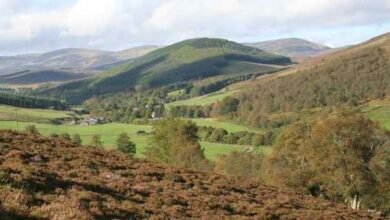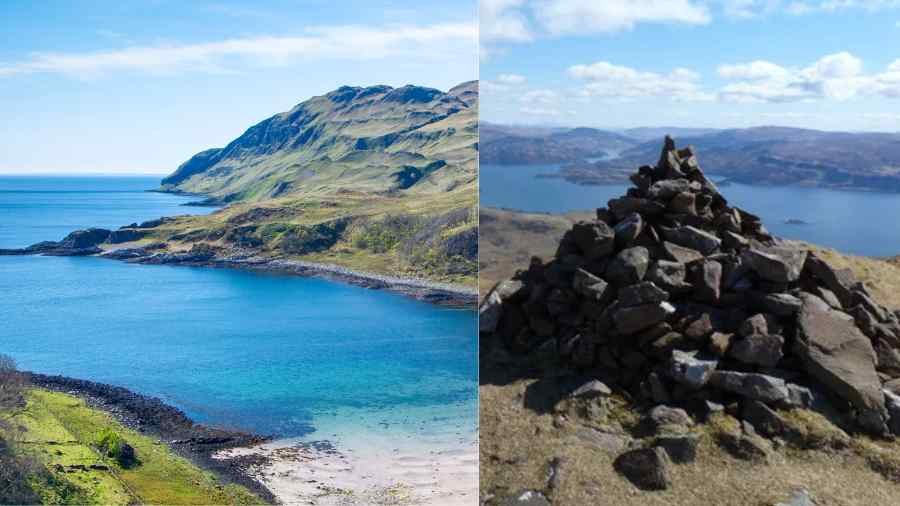
Ben Hiant is one of Scotland’s most quietly impressive hills, rising above the rugged and remote Ardnamurchan peninsula in the western Highlands. While it may not have the global recognition of some of Scotland’s tallest mountains, Ben Hiant holds a special place for walkers, nature lovers, and those who seek landscapes untouched by mass tourism. Its modest height, dramatic coastal setting, and wide-reaching views make it a rewarding destination for anyone wanting to experience authentic Highland scenery.
Where Ben Hiant Is Located
Ben Hiant sits on the Ardnamurchan peninsula, one of the most westerly parts of mainland Britain. The peninsula is surrounded by the Atlantic Ocean, Loch Sunart, and the Sound of Mull, giving the area a strong maritime influence. This coastal position shapes both the climate and the views from the hill, which often include distant islands and sweeping sea horizons.
Ardnamurchan itself is known for its isolation and geological interest. The region was shaped by ancient volcanic activity, and this dramatic history is visible in the rock formations and rugged slopes around Ben Hiant. Despite its remoteness, the area is accessible by road, making it possible for visitors to enjoy a truly wild landscape without the need for technical climbing skills or long multi-day treks.
The Meaning and History Behind the Name
The name Ben Hiant is believed to have Gaelic roots, reflecting the deep cultural history of the Highlands. In Gaelic, “Ben” commonly means mountain or hill, while “Hiant” is often interpreted as meaning blessed or charmed. This has led many to describe Ben Hiant as the “blessed hill,” a name that feels fitting when standing on its summit surrounded by sea, sky, and open land.
For centuries, hills like Ben Hiant were more than geographical features. They served as landmarks for travellers, grazing grounds for livestock, and points of orientation for local communities. Although there is no single dramatic historical event tied to Ben Hiant, it forms part of a landscape shaped by generations of crofters, fishermen, and Highland families who depended on the land and sea for survival.
Height and Physical Character
Ben Hiant rises to just over 500 metres above sea level, making it the highest point on the Ardnamurchan peninsula. While this height is modest compared to Scotland’s major mountain ranges, the hill feels far more substantial due to its steep slopes and exposed position.
The lower slopes are often grassy and open, gradually giving way to rockier ground as you gain height. In places, the terrain becomes rougher, with loose stones and short rocky sections that require care, especially in wet or windy conditions. Despite this, Ben Hiant remains accessible to walkers with a reasonable level of fitness and basic hillwalking experience.
Walking and Hiking Experience
Climbing Ben Hiant is widely regarded as one of the most enjoyable short hill walks in the western Highlands. The route is typically completed in two to three hours, depending on pace and weather conditions. Many walkers choose a straightforward out-and-back route, while others create a small circuit to explore more of the surrounding landscape.
One of the most appealing aspects of walking Ben Hiant is the immediate sense of openness. From early on in the ascent, views begin to unfold across the peninsula. As you climb higher, the land drops away dramatically, and the feeling of being surrounded by sea becomes increasingly strong.
Although the route is not technically difficult, the weather can change quickly. Wind is often a factor due to the hill’s exposed position, and mist can reduce visibility near the summit. Proper footwear, warm clothing, and basic navigation skills are always recommended.
Views From the Summit
The summit of Ben Hiant is where the hill truly shines. On a clear day, the views are among the best for a hill of its size anywhere in Scotland. To the east, Loch Sunart stretches inland, reflecting the sky and surrounding hills. To the west, the Atlantic opens out towards distant islands, creating a powerful sense of scale and isolation.
The Isle of Mull is often clearly visible, its mountains rising from the sea and adding depth to the horizon. Looking south, walkers can spot smaller islands and rugged coastline, while the northern views reveal more of the Highlands’ complex terrain. These wide-ranging panoramas make the climb feel far more significant than the hill’s height might suggest.
Wildlife and Natural Environment
The area around Ben Hiant supports a rich variety of wildlife. Red deer are commonly seen grazing on the lower slopes, particularly in quieter conditions early in the morning or later in the day. Birds of prey, including buzzards and occasionally golden eagles, can be spotted soaring above the hill, using rising air currents to scan the land below.
The plant life reflects the hill’s coastal influence. Hardy grasses, mosses, and low-growing shrubs dominate, adapted to strong winds and poor soil. In spring and summer, patches of wildflowers add subtle colour to the landscape, while autumn brings a softer, more muted palette.
This natural environment contributes strongly to the sense of peace and remoteness that defines a visit to Ben Hiant.
Geological Significance
Ardnamurchan is famous among geologists for its ancient volcanic features, and Ben Hiant is part of this story. The hill is composed largely of volcanic rock formed millions of years ago, when this area was the centre of intense geological activity.
The shapes of the surrounding hills, the ridges, and the underlying rock layers all reflect this volcanic past. Even for visitors without a technical interest in geology, the rugged textures and dramatic forms add to the visual impact of the landscape and help explain why Ardnamurchan feels so different from many other parts of Scotland.
Best Time to Visit Ben Hiant
Ben Hiant can be climbed throughout the year, but each season offers a different experience. Spring and early summer are popular due to longer daylight hours and milder temperatures. During this time, the landscape feels fresh and vibrant, and the views are often clear.
Summer brings warmer weather, but also more insects, particularly midges on still days. Autumn is a favourite season for many walkers, as the colours deepen and the air becomes crisp, often delivering excellent visibility. Winter ascents are possible, but snow, ice, and short daylight hours add complexity and require additional preparation.
Regardless of the season, checking the weather forecast before setting out is essential.
Why Ben Hiant Appeals to Walkers
Ben Hiant’s appeal lies in its balance. It is challenging enough to feel rewarding, yet accessible enough to welcome walkers who are new to Highland hillwalking. The combination of sea views, wild terrain, and relative solitude makes it stand out among Scotland’s smaller hills.
Unlike more famous peaks, Ben Hiant rarely feels crowded. This allows visitors to experience a deeper connection with the landscape, free from the distractions of busy paths and constant foot traffic. For many, this sense of quiet discovery becomes the highlight of the walk.
Practical Tips for a Safe Visit
Preparation is key when visiting Ben Hiant. Even though the route is not extreme, conditions can be demanding. Good walking boots with ankle support are recommended due to uneven ground. Carrying waterproof clothing is essential, as rain and wind are common even in summer.
Navigation tools such as a map or GPS device are useful, particularly in mist. Adequate food and water should always be carried, as there are no facilities on the hill itself. Informing someone of your plans is a sensible precaution when exploring such a remote area.
Conclusion
Ben Hiant is a remarkable hill that captures the essence of the western Highlands. Its location on the Ardnamurchan peninsula, combined with its dramatic views and wild atmosphere, makes it a destination worth seeking out. Whether you are an experienced hillwalker or someone looking to explore Scotland beyond the well-known routes, Ben Hiant offers a memorable and deeply rewarding experience.
Climbing Ben Hiant is not just about reaching a summit. It is about stepping into a landscape shaped by ancient forces, shaped further by human history, and still largely untouched by modern crowds. For those willing to make the journey, Ben Hiant delivers beauty, solitude, and a true sense of the Highlands in their rawest form.