Binny Craig is one of those rare places where nature, history, and geology come together in perfect harmony. Nestled within the peaceful countryside of West Lothian, this modest Scottish hill stands proudly above the surrounding landscape. Although not the tallest or the most remote summit in Scotland, it carries a presence that captures the imagination of anyone who approaches it. Its rugged slopes, ancient rock formations, and breathtaking panoramic views make it a treasured landmark for walkers, photographers, geologists, and lovers of natural beauty.
The Meaning and Identity of Binny Craig
The name “Binny Craig” holds deep connections to both the Scottish landscape and Gaelic heritage. The word Craig originates from the Gaelic creag, meaning rock or cliff, a fitting reference to the hill’s steep western face and craggy outcrops. The term Binny is linked to historical estate names and old rural settlements in the area. Together, they form a title that reflects the hill’s natural form and its longstanding ties to local history.
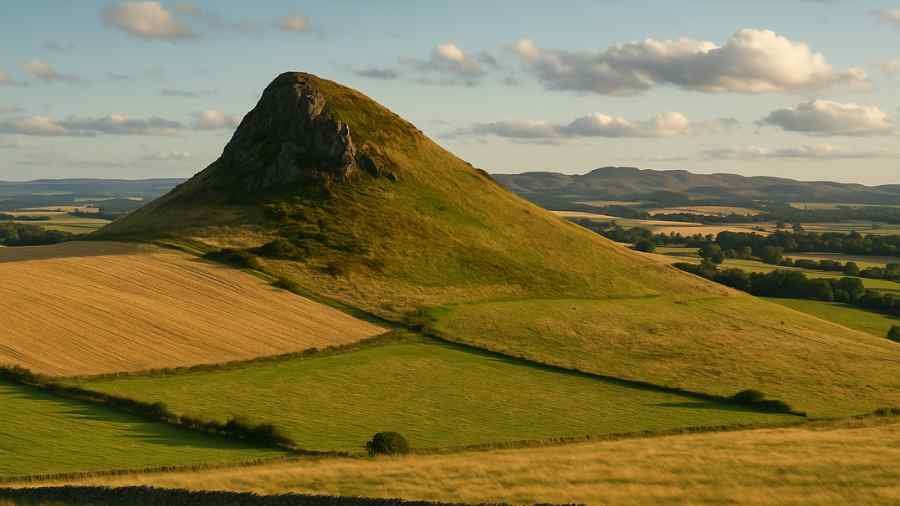
As a landscape feature, Binny Craig stands out clearly against the skyline of West Lothian. Whether viewed from Livingston, Uphall, Broxburn, Bathgate, or even more distant vantage points, its silhouette is easily recognisable. Its sharply rising profile, rugged crest, and distinctive shape contribute to its popularity among residents and visitors alike.
Geological Origins: A Hill Formed by Fire and Ice
One of the most fascinating aspects of Binny Craig is its geological history. This hill tells a story that spans hundreds of millions of years, shaped by forces far greater than anything humans could create.
The core of Binny Craig is made of quartz-dolerite, a hard igneous rock formed when molten magma forced its way up between layers of softer sedimentary rock deep below the surface. As this magma cooled slowly, it solidified into a dense, dark, resilient material.
Millions of years later, during the last Ice Age, massive glaciers moved across Scotland. As they advanced, they carved the land with extraordinary power. Softer rocks around Binny Craig were scraped away, but the hill’s tough igneous centre resisted erosion. This dramatic contrast between hard and soft rock created the classic crag-and-tail landform seen today.
The steep, rugged western face represents the “crag”, while the gentler eastern slope forms the “tail”. This shape provides valuable evidence of glacial movement and is widely studied by geologists seeking to understand Scotland’s ancient geological processes.
A Natural Classroom for Students and Researchers
Because of its clear rock exposures and well-defined structure, Binny Craig is often used as an educational site. Students and geologists visit the hill to study intrusive igneous rocks, erosion patterns, and the effects of glaciation. Its protected status as a Local Geodiversity Site ensures that its geological features remain accessible and preserved for future generations.
The hill forms part of a wider geological story in West Lothian, a region known for its blend of sedimentary layers, volcanic intrusions, and ice-shaped landforms. Binny Craig stands as one of the finest and most accessible examples of these natural processes.
The Surrounding Landscape and Natural Environment
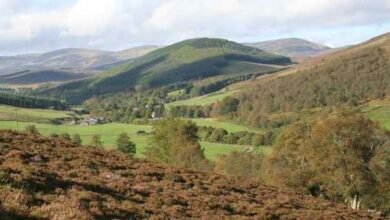
While the geology of Binny Craig is captivating, its natural environment is equally enchanting. The hill rises from a landscape of open farmland, fields, and pockets of woodland. This mixture of habitats supports a wide variety of life.
The rocky slopes host heather, wild grasses, mosses, and hardy plants that thrive in thin soils. During spring and summer, the hill becomes especially vibrant as flowers emerge and the vegetation spreads colour across the slopes.
Birdlife is abundant. Kestrels and buzzards often circle above the hill, using the rising air currents to glide effortlessly. Smaller birds dart between the grasses and shrubs, while the fields around the hill attract game birds, crows, and various seasonal species.
Mammals such as rabbits, foxes, and occasionally deer can be seen moving through the area. The mixture of open valleys and elevated viewpoints makes the hill a perfect spot for wildlife observation.
Walking and Exploring Binny Craig
One of the great joys of Binny Craig is how accessible it is to walkers of all ages and abilities. The hill is not excessively high or difficult, making it suitable for family walks, casual outings, and more focused hikes.
The most common routes begin from the minor roads north of Uphall or the paths near Ecclesmachan. The walk to the summit is relatively short, but the incline can be steep in parts, especially on the rocky side. The eastern approach provides a gentler option, allowing visitors to reach the top without facing the steepest sections.
Despite the modest height, the reward at the summit is spectacular. On clear days, the view stretches for many miles in every direction. The Pentland Hills are visible to the south, while the Ochil Hills rise to the north. Various towns, woodlands, and agricultural landscapes spread out below, creating a patchwork of colours and textures.
Sunrise and sunset are especially popular times to visit. The warm light transforms the rocks into rich, golden tones, and the shadows cast across the fields highlight the contours of the surrounding countryside. For those who enjoy photography, Binny Craig offers endless opportunities.
Cultural and Historical Connections
Beyond its natural and geological importance, Binny Craig has historical significance. Due to its elevation and visibility, the hill was likely used as a signal point in earlier centuries. Beacon systems were once common across Scotland, allowing communities to communicate warnings over long distances.
Local traditions and rural history further deepen the hill’s cultural value. The surrounding farms, stone walls, and old tracks reflect generations of agricultural life. While the hill itself remains wild and untouched, the landscape around it carries the marks of Scotland’s rural heritage.
Why Binny Craig Remains an Iconic Landmark
Several factors contribute to the lasting popularity and importance of Binny Craig.
First, its geological story makes it a unique and scientifically valuable site. The crag-and-tail formation is not just visually striking but also teaches us about volcanic activity and glaciation.
Second, the hill provides remarkable views that far exceed expectations for its size. Its position within the landscape allows visitors to appreciate the beauty of West Lothian from a new perspective.
Third, it is deeply rooted in local heritage. Residents of nearby towns often grow up seeing the hill daily, walking it on weekends, and regarding it as a familiar and comforting presence.
Fourth, Binny Craig offers a peaceful escape. It allows visitors to step away from busy towns and reconnect with nature, even if only for a short while.
The Spirit of Binny Craig
Binny Craig is more than just a hill. It is a symbol of endurance, shaped by ancient forces yet standing firm in the present. It is a place where the air feels fresher, the world looks wider, and the mind grows quieter. Whether approached through curiosity, adventure, or simple appreciation of nature, the experience of standing atop Binny Craig tends to stay with you.
Its rugged cliffs, grassy slopes, and far-reaching views make it one of the finest natural features in West Lothian. It represents the timeless beauty of the Scottish landscape, inviting people to explore, learn, and admire the incredible world shaped by earth and time.
Conclusion
Binny Craig stands proudly as a remarkable natural landmark. Its geological origins, scenic beauty, cultural significance, and welcoming pathways make it an unforgettable destination. Whether you are a walker, a geologist, a photographer, or simply someone who appreciates the peace of the countryside, this modest yet majestic hill offers an experience that is both enriching and uplifting. It remains one of Scotland’s quiet treasures, inviting anyone who visits to pause, reflect, and enjoy the extraordinary beauty of the land.