Dominic Barberi: The Passionist Missionary Who Changed the Course of English Catholic History

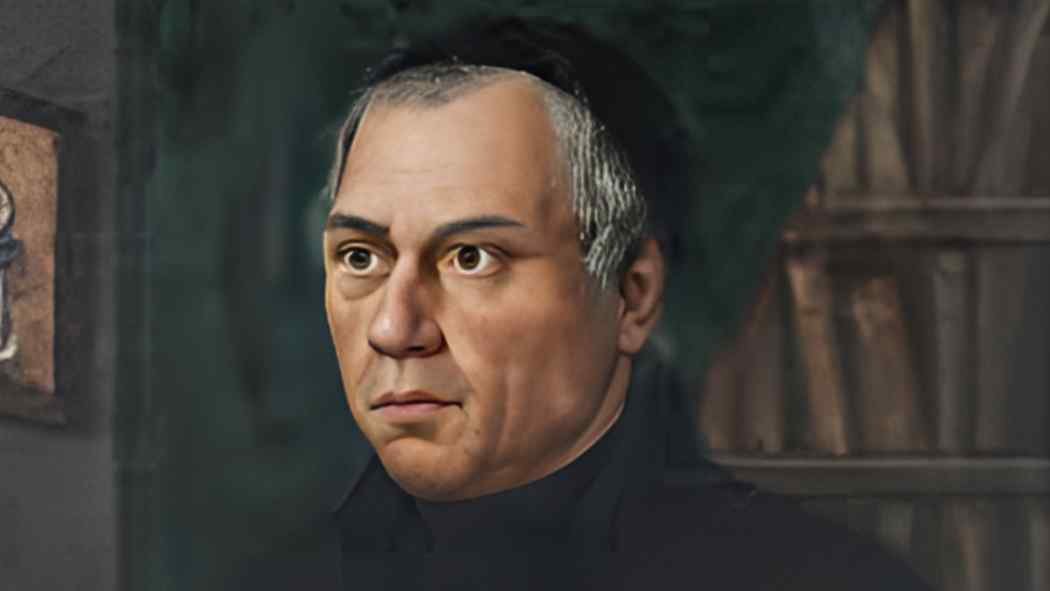
Dominic Barberi remains one of the most quietly influential religious figures of the nineteenth century. His life story is not shaped by political power, wealth, or social privilege, but by resilience, faith, and an unwavering sense of calling. Born into poverty in Italy and ending his life as a missionary in England, Dominic Barberi became a central figure in the revival of Roman Catholic life in a country still shaped by centuries of religious division. His intellectual depth, pastoral warmth, and personal humility allowed him to bridge cultures and theological traditions at a time when such unity was rare.
The significance of Dominic Barberi lies not only in his missionary achievements but also in the enduring spiritual legacy he left behind. He is most widely known for his role in receiving John Henry Newman into the Roman Catholic Church, a moment that reshaped English religious history. Yet Barberi’s influence extends far beyond that single event. His writings, his vision for Christian unity, and his compassionate approach to ministry continue to resonate today.
Early Life in Italy
Dominic Barberi was born in 1792 in Viterbo, a town in central Italy, into a family of extreme poverty. Orphaned at a young age, he received little formal education and spent much of his childhood working as a shepherd. His early life was marked by hardship, hunger, and social marginalisation. Yet even in these circumstances, Barberi showed an unusual hunger for knowledge and spiritual understanding.
Without access to structured schooling, he taught himself to read and write, often studying religious texts during moments of rest from labour. This self-directed learning laid the foundation for the theological depth he would later display. His background gave him a lifelong sensitivity to the poor and excluded, shaping a ministry rooted in compassion rather than authority.
His spiritual awakening came through encounters with members of the Passionist order, a congregation dedicated to preaching the Passion of Christ and living lives of simplicity and sacrifice. Inspired by their example, Barberi felt a growing call to religious life despite his lack of education and social standing.
Calling to the Passionist Order
Against considerable odds, Dominic Barberi was accepted into the Passionist order in 1814. His entry was highly unusual. Typically, candidates with limited education would remain lay brothers, yet Barberi’s intelligence and spiritual maturity soon became evident. His superiors recognised his potential and allowed him to pursue priestly studies.
He was ordained as a priest in 1818, demonstrating extraordinary determination and discipline. Over the following years, Barberi distinguished himself as a theologian, philosopher, and preacher. He wrote extensively on doctrine, scripture, and ecclesiology, producing works that revealed both intellectual rigour and pastoral sensitivity.
From an early stage, Barberi felt drawn to England. He believed that God was calling him to a land still recovering from religious conflict and division. This conviction remained with him for decades, even when practical obstacles delayed its fulfilment.
A Vision for England
In the early nineteenth century, England was experiencing a gradual Catholic revival following centuries of repression. The Catholic Emancipation Act had eased some restrictions, yet deep suspicion and misunderstanding remained. Barberi saw England not as hostile territory but as fertile ground for reconciliation and renewal.
He believed strongly in the possibility of unity between Christians divided since the Reformation. His writings reveal a respectful engagement with Anglican theology, rare for his time. Rather than attacking opposing views, he sought common ground, emphasising shared beliefs and spiritual heritage.
After many delays caused by illness, political upheaval, and limited resources, Dominic Barberi finally travelled to England in the early 1840s. His arrival marked the beginning of the most influential chapter of his life.
Missionary Work in England
Once in England, Barberi devoted himself fully to missionary activity. He travelled extensively, preaching missions, offering spiritual guidance, and establishing Passionist communities. His preaching style was gentle yet compelling, focusing on the love of God rather than fear or condemnation.
Despite facing prejudice and practical hardship, Barberi quickly gained respect. Many were struck by his humility and sincerity. He lived simply, often in poor conditions, and shared whatever he had with those in need. His Italian accent and modest appearance did not diminish his influence; instead, they seemed to enhance his authenticity.
He also engaged deeply with intellectual circles, participating in theological discussions with Anglican scholars and clergy. His ability to combine intellectual clarity with spiritual warmth made him a trusted figure across denominational boundaries.
The Newman Moment
One of the defining moments in the life of Dominic Barberi occurred in 1845 at Littlemore near Oxford. There, he received John Henry Newman into the Roman Catholic Church. Newman was already one of the most influential religious thinkers in England, and his conversion sent shockwaves through both Anglican and Catholic communities.
The moment itself was simple and understated. Barberi arrived tired, soaked from the rain, and physically unwell. Yet it was precisely this humility that left a lasting impression. Newman later spoke with deep affection of the priest who received him, recognising in Barberi a holiness that transcended intellectual debate.
This event cemented Barberi’s place in English religious history. While he never sought recognition, his role in Newman’s conversion highlighted the quiet power of lived faith over argument alone.
Theological Contributions
Beyond his missionary work, Dominic Barberi made significant contributions to theology. He wrote extensively on the nature of the Church, the authority of tradition, and the relationship between reason and faith. His works were marked by clarity, balance, and a deep respect for differing viewpoints.
Barberi believed that truth should be presented with charity. He rejected aggressive polemics in favour of dialogue and understanding. This approach anticipated later movements toward ecumenism and inter-Christian cooperation.
His theological writings, though less widely read today, influenced both Catholic and Anglican thinkers during his lifetime. They remain a testament to his intellectual depth and spiritual insight.
Personal Character and Spirituality
Those who knew Dominic Barberi consistently described him as gentle, patient, and deeply prayerful. Despite his intellectual achievements, he remained humble and approachable. He preferred listening to speaking and often downplayed his own role in significant events.
His spirituality centred on the Passion of Christ, which he understood not merely as suffering but as an expression of divine love. This focus shaped his pastoral approach, encouraging compassion, forgiveness, and hope.
Barberi also endured frequent illness throughout his life. Rather than seeing this as an obstacle, he embraced it as part of his vocation. His perseverance in the face of physical weakness became a powerful witness to those around him.
Final Years and Death
Dominic Barberi spent his final years continuing his missionary work in England. Though his health declined, he refused to withdraw from active ministry. In 1849, he died suddenly in Reading after suffering a heart attack.
His death was widely mourned by Catholics and non-Catholics alike. Many recognised that England had lost a rare bridge-builder, a man whose life embodied the possibility of unity without compromise of conscience.
Beatification and Legacy
In 1963, Dominic Barberi was beatified by the Roman Catholic Church, formally recognising his holiness and influence. This recognition affirmed what many had long believed: that his life represented a model of faith lived with integrity and love.
Today, Barberi is remembered as a pioneer of Christian unity and a key figure in the Catholic revival in England. His legacy continues through Passionist communities and through the enduring influence of those he inspired.
Relevance in the Modern World
In an age still marked by division, the example of Dominic Barberi feels remarkably relevant. His commitment to dialogue, respect for difference, and unwavering faith offer lessons for religious and secular communities alike.
He demonstrated that meaningful change often comes not through power or publicity, but through quiet perseverance and genuine compassion. His life challenges modern readers to consider how humility and conviction can coexist.
Conclusion
Dominic Barberi stands as a powerful reminder that history is often shaped by those who work faithfully without seeking recognition. From a poor shepherd in Italy to a missionary who altered the course of English religious life, his journey reflects the transformative power of vocation and integrity.
His influence endures not because of dramatic gestures, but because of a life consistently lived in service to truth and love. In remembering Dominic Barberi, we are invited to rediscover the value of patience, humility, and unity in a divided world.