Why Busy Schedules Disrupt Healthy Eating
Your schedule controls your food choices more than willpower. Long work hours, commuting, family duties, and social commitments leave little space for planning meals. You often eat whatever is fast and available. Skipping meals becomes normal. Late dinners become routine. Over time, this pattern leads to low energy, poor digestion, and inconsistent nutrition. Most busy people understand what healthy eating looks like. The challenge is applying it during packed days. You need guidance that works in real life, not advice that requires extra time and preparation.
How Nutrition Apps Save Time Every Day
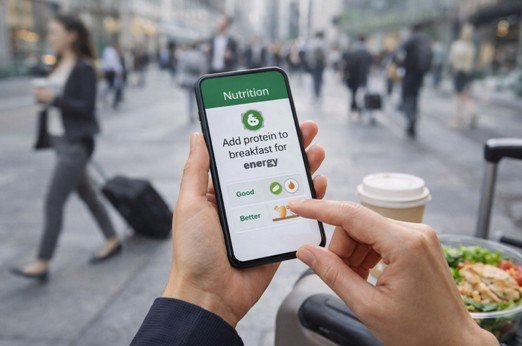
A nutrition app fits into moments you already have. You check your phone many times a day. The app uses those moments to deliver quick guidance. Instead of reading long articles, you get one clear message. It may suggest adding protein to breakfast or choosing water over soda. These tips take seconds to read. You do not need to plan or research. Over a week, this saves hours compared to searching for nutrition advice on your own. The simplicity makes it practical for people with demanding schedules.
Using Daily Reminders to Stay Consistent
Consistency drives results. Busy people struggle with consistency because days feel unpredictable. Nutrition apps solve this by using reminders. Notifications act as gentle prompts. They help you remember hydration, balanced meals, or mindful eating. You do not feel pressured. You feel supported. A daily health tips app keeps nutrition visible even when your mind is focused elsewhere. This steady exposure builds awareness. Awareness leads to better choices without forcing strict rules.
Making Smarter Food Choices on the Go
Eating on the go does not mean eating poorly. The problem is automatic decisions. You order the same meals without thinking. Nutrition apps encourage a pause. A quick reminder about fiber or portion size can change your order. You may add a side salad. You may choose grilled instead of fried food. These changes feel small but matter. When repeated often, they improve overall diet quality. Busy people benefit from guidance that works in restaurants, offices, and airports.
Tracking Nutrition Without Extra Effort
Many people avoid nutrition tracking because it feels exhausting. Logging every bite takes time and discipline. Modern apps reduce this burden. They focus less on numbers and more on habits. Instead of tracking calories, you learn patterns. You recognize what balanced meals look like. You apply this knowledge naturally. This approach suits people who want improvement without micromanagement. It supports progress without creating stress or guilt.
How Apps Reduce Decision Fatigue
Decision fatigue affects everyone with a busy lifestyle. By evening, your brain feels drained. Making healthy choices feels harder. Nutrition apps reduce this load by offering clear direction. You do not need to think through every option. The app reinforces simple principles repeatedly. Over time, these principles become automatic. You stop debating food choices. You act on habit. This reduces mental effort and increases consistency.
Building Long Term Habits With Simple Guidance
Long term health depends on habits, not short term motivation. Nutrition apps focus on repetition. You receive similar guidance in different forms over time. This reinforces learning. You begin to recognize hunger cues. You balance meals more often. You hydrate better without reminders. These habits stick because they grow gradually. Busy people succeed when change feels manageable and aligned with daily life.
Why Apps Work Better Than Diet Plans for Busy People
Diet plans demand structure. They require meal prep, tracking, and strict timing. Busy people often abandon them after a few weeks. Nutrition apps offer flexibility. You follow guidance without rigid rules. If one day goes off track, you continue the next day without guilt. This adaptability increases long term adherence. It respects your schedule instead of fighting it.
How to Choose the Right Nutrition App
Choose an app that values clarity. Tips should be short and practical. Avoid apps that overwhelm you with data and charts. Look for guidance that focuses on education and daily habits. The best app supports you quietly. It fits into your routine instead of demanding changes to it.
You do not need perfect meals or strict plans. You need support that matches your pace. With the right app, busy people can manage nutrition one small decision at a time.
FAQs
How can a nutrition app help me eat healthier with a busy schedule?
A nutrition app provides quick, actionable tips during your day, helping you make better choices without extra planning or time-consuming research.
Do I need to log every meal to benefit from a nutrition app?
No. Modern apps focus on habits and patterns rather than strict tracking, allowing you to learn and apply healthy choices naturally.
Can nutrition apps really reduce decision fatigue?
Yes. They offer simple, repeated guidance, making healthy decisions automatic and lowering mental effort after long, busy days.
Will a nutrition app replace a full diet plan?
Not exactly. Apps offer flexibility and daily support, which is often more sustainable for busy people than rigid diet plans that require strict prep and timing.
How do I choose the best nutrition app for my lifestyle?
Look for apps with clear, practical tips, minimal data overload, and guidance that fits into your existing routine rather than demanding major schedule changes.