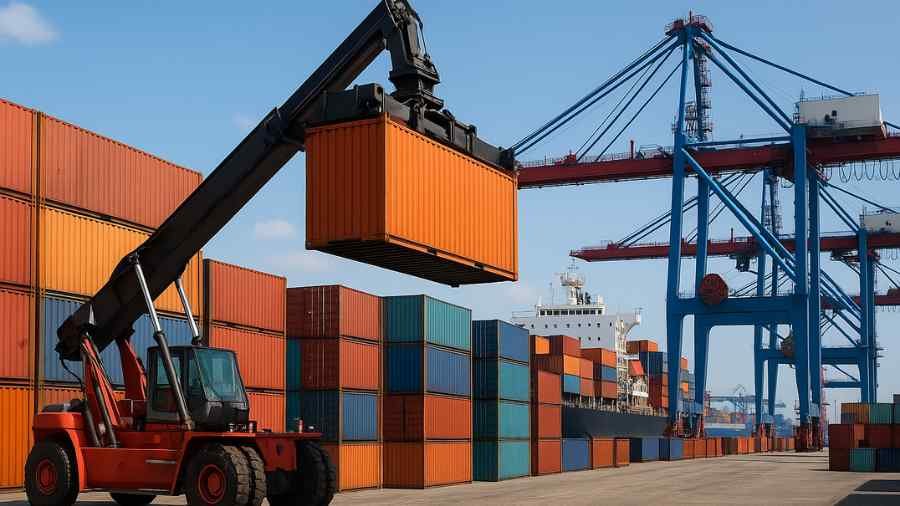
Jenkins Felixstowe Ltd is a notable name within the UK logistics and port operations sector, recognised for its established presence in freight handling, storage, warehousing, and distribution. As part of a broader logistics network associated with the Jenkins brand, the company has positioned itself strategically within the supply chain infrastructure that supports industries across the United Kingdom and beyond. Situated in the Felixstowe region, which itself is home to one of the UK’s most important deep-water ports, Jenkins Felixstowe Ltd benefits from geographical and operational advantages that enable it to contribute significantly to import and export activities.
Company Background and Evolution
Jenkins Felixstowe Ltd did not emerge in isolation; instead, it developed as part of a wider ethos of port-centric logistics solutions. The broader Jenkins group has a long-standing history of handling specialist cargo, particularly forest products and bulk commodities. Over the years, the company expanded into several port locations across the United Kingdom and Ireland, including Liverpool, Belfast, Dublin, and Felixstowe.
The Felixstowe operation became an important extension of this network, enabling the business to expand its footprint and serve a wider range of sectors. The evolution of Jenkins Felixstowe Ltd also reflects the changes in global trade patterns. As container traffic and bulk ship movements increased, the company recognised a growing need for efficient inland logistics, storage solutions, and time-sensitive cargo transfers.
Strategic Position in Felixstowe
The Port of Felixstowe is known as the UK’s largest container port, handling millions of tonnes of cargo annually. Its strategic location provides direct connections to major European, North American, and Asian shipping routes. For any logistics provider, operating in Felixstowe means being at the heart of UK maritime commerce.
Jenkins Felixstowe Ltd benefits from several strategic advantages, including:
- Close Proximity to Port Operations: This allows rapid off-loading and transfer of cargo.
- Road and Rail Connectivity: Felixstowe is well-connected to the national distribution network, reducing transportation delays.
- Access to a Skilled Industrial Workforce: The region’s long history with maritime and storage work means a labour force familiar with heavy goods handling.
These geographical and infrastructural strengths enhance the company’s capacity to provide efficient logistics services.
Core Services and Operational Capabilities
Jenkins Felixstowe Ltd specialises in transportation support services, freight coordination, and supply chain logistics. Its operational model is port-centric, meaning services are designed to support the smooth movement of goods directly from ship to storage or onward distribution. The company handles a variety of cargo types, including packaged goods, timber products, pulp, metals, and other bulk commodities.
Key operational capabilities include:
1. Warehousing Solutions
Jenkins Felixstowe Ltd maintains modern warehouse spaces suited for both short-term and long-term storage needs. These facilities often include controlled environments suitable for preserving product quality. The warehousing services are tailored to industries requiring careful inventory control, load unitisation, and product protection.
2. Cargo Handling
Handling goods at port terminals requires skilled operators and specialised lifting equipment. Jenkins Felixstowe Ltd employs trained staff and appropriate machinery to safely load, unload, stack, and transfer cargo. The company emphasises precision and compliance with safety standards to maintain efficiency and protect its workforce.
3. Freight and Transportation Management
Beyond storage and handling, the company arranges onward transportation via road or container transfer. Logistics coordination ensures cargo reaches its next destination, whether that be another warehouse, a manufacturing facility, a retail distribution centre, or an international shipping point.
4. Customised Logistics Solutions
Depending on the client’s sector, Jenkins Felixstowe Ltd adapts storage and movement processes to fit requirements. Customisation may include packaging, labelling, unit load conversions, or scheduled delivery cycles.
Organisational Structure and Workforce Culture
The company maintains a small-to-medium sized workforce compared to larger multinational logistics firms. This structure allows for closer management oversight, communication transparency, and operational flexibility. Employees often describe the working environment as fast-paced, hands-on, and physically demanding, as is typical of warehousing and dock-related logistics work.
Workforce culture is influenced by:
- Practical skill development and on-site experience.
- The need for adherence to strict health and safety protocols.
- Collaborative teamwork between warehouse operatives, drivers, and administrative staff.
With many logistics operators facing labour pressures, training and staff retention remain key priorities within the industry. Skilled forklift drivers, cargo handlers, and logistics coordinators continue to be in demand across the Felixstowe region.
Economic and Trade Significance
As the UK continues to rely heavily on maritime trade, companies such as Jenkins Felixstowe Ltd play a crucial role in maintaining uninterrupted supply flows. Global trade may fluctuate due to currency shifts, trade agreements, and market cycles, but port-centric logistics remains foundational to national economic stability.
The company supports:
- Imports: Ensuring businesses receive raw materials and stocked goods.
- Exports: Allowing UK manufacturers to reach international markets.
- Domestic Distribution: Helping retailers and wholesalers maintain supply levels.
In this way, Jenkins Felixstowe Ltd contributes to regional employment, international commerce, and national logistics resilience.
Challenges in the Modern Logistics Landscape
The port and logistics sector is not without challenges. Jenkins Felixstowe Ltd operates in a competitive and evolving environment shaped by global forces. Some of the modern challenges include:
- Labour shortages and recruitment difficulties.
- Rises in fuel and operational costs.
- Increasing pressure to reduce environmental impact.
- Greater customer expectations for real-time tracking and digital control systems.
Companies that adapt through technology, automation, staff training, and sustainability planning are more likely to maintain their competitiveness.
The Future Outlook
The future for Jenkins Felixstowe Ltd appears linked to broader trends in international shipping and supply chain innovation. Continued investment in port infrastructure, adoption of logistics software systems, and development of environmentally efficient handling solutions will help position the company for long-term sustainability.
Additionally, as e-commerce continues to grow, distribution networks are likely to become even more time-critical. Companies located close to major ports, such as Jenkins Felixstowe Ltd, are well placed to meet the increasing demand.
Conclusion
Jenkins Felixstowe Ltd stands as a meaningful contributor to the UK’s logistics and port-support network. With a strong operational position in one of the most important maritime regions in the country, the company provides essential services that support cargo transfer, warehousing, transportation, and supply chain flow. Its work not only benefits individual clients and industries but also supports the national economy by ensuring the smooth movement of goods.