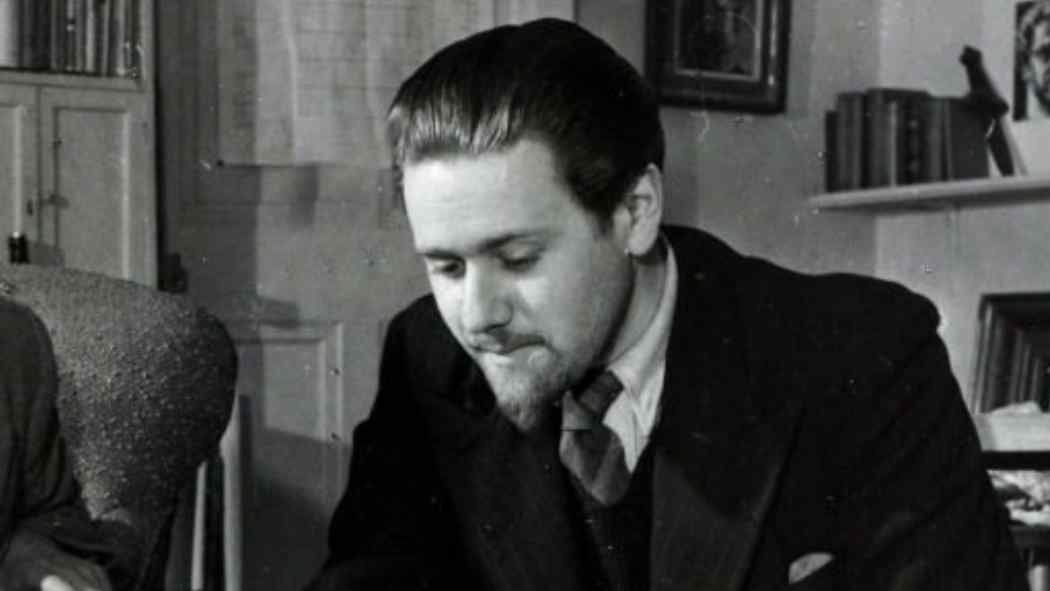
Michael Ayrton stands among the most compelling British artists of the twentieth century, a figure whose intellect, imagination, and artistic courage placed him in a unique position in modern art and literature. Known for his powerful interpretations of classical mythology, especially the legends of Daedalus, Icarus, and the Minotaur, Ayrton crafted a body of work that merged symbolism, psychological depth, and technical mastery. His paintings, sculptures, novels, drawings, and critical essays reflect not only superb craftsmanship but a profound understanding of human struggle, creativity, and identity.
Early Life and Influences
Michael Ayrton was born Michael Ayrton Gould on 20 February 1921 in London, into a family enriched by artistic and intellectual culture. His father, Gerald Gould, was a poet, critic, and political commentator, while his mother, Barbara Ayrton, later Barbara Ayrton-Gould, was a prominent Labour Party politician. His maternal grandmother, Hertha Ayrton, was a pioneering engineer and physicist whose work in electrical engineering earned her international respect. Growing up in such a setting nurtured his curiosity, artistic talent, and independent thinking.
Ayrton chose his mother’s maiden name professionally, a decision that symbolised his intent to carve a distinctive identity. His education included time at Heatherley School of Fine Art and St John’s Wood Art School, both of which shaped his early technical grounding. He later refined his style in Paris, where he studied under Eugène Berman and shared a studio with the artist John Minton. These formative years exposed him to European modernism, surrealism, and neo-romanticism, influences that later intertwined with his fascination for mythic storytelling.
A Multidisciplinary Creative Force
One of the most extraordinary aspects of Michael Ayrton’s career was his versatility. He was not confined to a single discipline. Instead, he worked as:
- Painter
- Sculptor
- Illustrator
- Printmaker
- Stage and costume designer
- Critic
- Broadcaster
- Essayist
- Novelist
Few twentieth-century British artists moved so fluently between creative fields. His ability to integrate intellectual concepts with visual forms made him both a prolific creator and a respected critic.
Painting and Drawing
Ayrton’s paintings from his early career reflect a neo-romantic style, characterised by mood-driven landscapes, introspective figures, and atmospheric tension. These works draw the viewer into psychological realms rather than literal ones. Over time, he developed a distinctive visual language, incorporating mythological symbolism, fragmented human forms, and architectural motifs such as labyrinths and towers.
Sculpture
By the 1950s and 1960s, sculpture became Ayrton’s most recognised medium. His bronze figures often embody struggle, transformation, or imprisonment, echoing the myths that inspired them. Works such as Icarus, The Minotaur, and various interpretations of Daedalus established him as a leading sculptor of symbolic and narrative forms. His sculptures are muscular, expressive, and often unsettling, offering a modern reinterpretation of ancient stories.
Writing and Critical Thought
Ayrton’s talents extended to literature, where his analytical mind and storytelling flair flourished. He wrote novels, including the celebrated The Maze Maker, which tells the story of Daedalus from a deeply human perspective. His essays on art, myth, and history reveal sharp insight and a broad intellectual range. This combination of visual and literary skill distinguishes Ayrton from many of his contemporaries.
The Central Themes of His Work
Michael Ayrton’s art revolves around several powerful themes that recur across media. These themes provide a coherent thread through his career and continue to captivate audiences.
The Myth of Daedalus and Icarus
Ayrton was intrigued by the myth of Daedalus—the master inventor imprisoned within his own genius—and his tragic son, Icarus. To Ayrton, Daedalus embodied the double-edged nature of creativity: the drive to innovate and the danger of being consumed by one’s own ideas. The theme of flight symbolised aspiration, freedom, and inevitable risk.
His sculptures of Icarus, often shown wounded or falling, remind viewers of the human desire to surpass limits, even at great cost. Through Daedalus, Ayrton explored the burden of intellect, artistic responsibility, and exile.
Labyrinths and Maze-Makers
No subject resonated more deeply with Ayrton than the labyrinth. It appears repeatedly in his work—sometimes literal, sometimes metaphorical. The labyrinth symbolised confinement, complexity, introspection, and the internal challenges individuals face. It also represented the mind of the artist: intricate, inventive, and often self-entangling.
Ayrton’s interpretations of the labyrinth also include architectural forms, staircases, towers, cages, and broken passageways. These motifs reflect his fascination with psychological and philosophical struggle.
The Minotaur
The Minotaur, half-man and half-beast, served as a metaphor for duality—reason and instinct, civilisation and chaos, identity and disorientation. Ayrton’s Minotaur is not solely a monster; he is a tragic being trapped within a structure built to hide him. This complex portrayal aligns with Ayrton’s interest in human vulnerability, isolation, and the blurred boundaries between humanity and myth.
Human Struggle and Transformation
Whether drawn from mythology or contemporary experience, Ayrton’s themes consistently address the challenges of being human: the pursuit of meaning, the consequences of ambition, and the confinement of circumstance. His art invites viewers to reflect on their own psychological journeys.
Stage and Costume Design Contributions
Before sculpture became his primary calling, Ayrton worked as a stage and costume designer. He collaborated on productions such as John Gielgud’s Macbeth in 1942. His theatrical experience influenced his visual art as well, especially his focus on dramatic poses, shifting perspectives, and narrative atmospheres. This background helped him develop a keen understanding of how bodies and objects communicate emotion through form.
Major Works and Public Commissions
Michael Ayrton created a number of notable works that remain admired today. His bronze sculpture Icarus stands prominently in London, while several of his Minotaur pieces are displayed in public and private collections across the UK and Europe. His paintings and drawings are preserved in institutions such as the Tate, the National Portrait Gallery, and various regional museums.
His novel The Maze Maker is still considered one of the most compelling literary reinterpretations of classical myth in modern English literature.
Artistic Evolution
Ayrton’s style evolved substantially over the decades. His early paintings reflected neo-romantic influences, but in middle age his work shifted towards more structured, symbolic forms. The transition from painter to sculptor marked a turning point that transformed his creative output. His later works display a more mature, architectural quality, filled with broken shapes, labyrinthine structures, and expressive, contorted figures. This evolution illustrates his refusal to remain static, his desire to continue pushing artistic boundaries.
A Private Yet Intensely Intellectual Personality
Although he was widely engaged in public artistic circles, Ayrton maintained a reserved personal life. Friends and biographers often describe him as intellectually intense, deeply reflective, and sometimes troubled by ill health. His private struggles seem to echo the psychological depth found in his mythological subjects. He was an artist who perceived the world through layers of symbolism and meaning, translating complex ideas into compelling visual forms.
Legacy and Lasting Influence
Michael Ayrton passed away in 1975, but his influence remains deeply felt in the realms of British art and myth-based storytelling. His ability to combine myth with modern sensibility inspired later artists, sculptors, and writers who sought to explore symbolic or psychological themes.
He left behind:
- A rich archive of sculptures, drawings, and paintings
- Highly respected literary works
- Insightful essays and criticism
- A legacy of interdisciplinary innovation
Art historians often note that Ayrton never achieved the widespread fame of contemporaries like Henry Moore, not because of lack of talent, but because his intellectual and thematic interests placed him slightly outside mainstream trends. Today, however, collectors and scholars increasingly appreciate the depth and originality of his work. In many ways, Ayrton stands as a perfect example of an artist ahead of his time.
Why Michael Ayrton Still Matters Today
Modern audiences continue to be drawn to the themes Ayrton explored. The myths of Daedalus, Icarus, and the Minotaur remain relevant in an age where ambition, technology, identity, and isolation are universal concerns. Ayrton’s reinterpretations of these stories remind us that ancient myths continue to illuminate modern anxieties.
His reflections on creativity, innovation, and human limitation make his work especially meaningful to artists, writers, and thinkers today. Ayrton invites viewers to confront the complexities of their own minds and ambitions, much like Daedalus navigating his own labyrinth.
Conclusion
Michael Ayrton was a bold, imaginative, and deeply reflective British artist whose multidisciplinary talent enabled him to explore human themes with remarkable depth. His fascination with mythology, particularly the stories of Daedalus, Icarus, and the Minotaur, created a powerful symbolic framework that shaped much of his work. Through sculpture, painting, writing, and design, Ayrton produced a body of art that continues to resonate with audiences seeking meaning in myth, identity, and creative struggle. Today, he stands as a timeless figure in modern British art—an artist whose vision transcends the boundaries of medium and era.