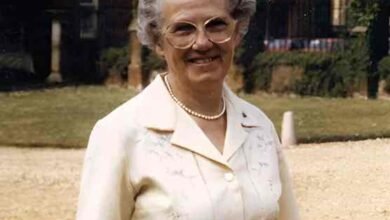
Seb Farrall was a British musician whose work went far beyond performance alone. He was a conductor, composer, musical director, percussionist, educator, and—most importantly—a passionate advocate for community music in the United Kingdom. His career was shaped by a belief that music should be accessible, inclusive, and meaningful to everyone, regardless of age, background, or previous experience. Through choirs, orchestras, educational initiatives, and original compositions, Seb Farrall helped thousands of people connect with music in a way that felt welcoming and empowering.
Early Life and Musical Beginnings
From an early age, Seb Farrall showed a natural curiosity for sound, rhythm, and musical structure. Like many musicians, his initial exposure to music came through school and local opportunities, where he discovered both performance and composition. Rather than focusing solely on one instrument, he developed a broad musical foundation, learning to understand music as a collaborative language rather than a solo pursuit.
Percussion became one of his strongest areas, offering him an understanding of rhythm that later shaped his conducting style. At the same time, he demonstrated a growing interest in composition, experimenting with how music could tell stories, express emotion, and bring groups of people together.
What set Seb apart even at this early stage was his instinct for leadership. He was not content to play music in isolation; he wanted to organise ensembles, bring people together, and shape shared musical experiences.
Academic Training and Musical Education
Seb Farrall went on to study music composition at university level, where he refined both his technical skills and his artistic voice. His academic journey was marked by a strong commitment to originality, collaboration, and practical application of music in real-world settings.
During his studies, he explored a wide range of musical styles, from classical and contemporary composition to choral writing and orchestral arranging. His work was recognised for its clarity, emotional depth, and suitability for performers of varying abilities.
University life also gave Seb the opportunity to experiment with leadership roles. He founded and co-founded musical groups, organised performances, and worked closely with fellow students to develop inclusive ensembles. These experiences laid the foundation for his later professional career as a conductor and musical director.
Early Career and Professional Development
After completing his formal education, Seb Farrall began building a professional career that balanced performance, conducting, and education. Unlike many musicians who focus narrowly on one area, he embraced variety, believing that versatility made him a better artist and leader.
As a percussionist, he performed in a wide range of settings, from orchestral concerts to large-scale arena performances. These experiences gave him insight into professional performance standards and the discipline required to work at the highest level.
At the same time, he increasingly focused on conducting and musical direction. He worked with choirs and orchestras across different regions, developing a reputation for being approachable, encouraging, and musically precise. Singers and players often remarked on his ability to make rehearsals both productive and enjoyable.
Commitment to Community Music
One of the defining aspects of Seb Farrall’s career was his dedication to community music. He believed that music should not be restricted to elite institutions or professional performers. Instead, he worked tirelessly to create opportunities for people who might otherwise feel excluded from musical participation.
He served as musical director for numerous community choirs, village singers, and amateur ensembles. These groups welcomed individuals with little or no formal musical training, offering a supportive environment where confidence could grow alongside musical skill.
Seb’s approach to community music was rooted in respect. He never spoke down to participants or simplified music to the point of losing its integrity. Instead, he adapted repertoire and teaching methods to suit the group, allowing people to rise to challenges they may never have thought possible.
Leadership in Choral Music
Choral music was at the heart of Seb Farrall’s work. As a conductor, he was known for clear communication, expressive gestures, and a deep understanding of vocal technique. He placed great emphasis on healthy singing, musical phrasing, and emotional connection to the text.
His rehearsals often combined technical exercises with discussions about the meaning and context of the music. This helped singers feel more engaged and invested in performances. Rather than simply aiming for accuracy, Seb encouraged choirs to tell stories and communicate feeling through sound.
Under his leadership, many choirs expanded their repertoire and tackled ambitious projects. Performers frequently reported increased confidence, improved musicianship, and a stronger sense of community within their ensembles.
Orchestral Work and Large-Scale Projects
In addition to choral leadership, Seb Farrall was deeply involved in orchestral music. He worked with amateur and semi-professional orchestras, often bringing together musicians from diverse backgrounds to perform high-quality programmes.
One of his most notable achievements was his leadership role in a city-based orchestra formed as part of a major cultural initiative. This project aimed to celebrate local talent while raising artistic standards and providing accessible performances for the wider community.
Seb’s orchestral conducting style reflected his collaborative philosophy. He treated musicians as partners in the creative process, encouraging open communication and mutual respect. This approach helped build trust and resulted in performances that felt both disciplined and alive.
Composition and Arranging
Alongside conducting, Seb Farrall remained an active composer and arranger. His compositions were known for their practicality, musicality, and emotional clarity. He wrote with performers in mind, ensuring that his music was rewarding to play or sing without being unnecessarily complex.
As an arranger, he adapted music for choirs and orchestras of varying abilities. His arrangements often balanced accessibility with artistic integrity, allowing community ensembles to perform works that felt both challenging and achievable.
Composition also played a role in his educational work, as he encouraged others to explore creativity and develop their own musical ideas.
Education, Mentorship, and Innovation
Education was another key pillar of Seb Farrall’s career. He worked with schools, universities, and community organisations to support musical learning at all levels. His teaching style was patient, encouraging, and rooted in practical experience.
He was particularly interested in using technology to support music-making. During periods when in-person rehearsals were difficult, he contributed to innovative solutions that allowed singers to continue working together remotely. This adaptability demonstrated his commitment to keeping music alive, even in challenging circumstances.
As a mentor, Seb was generous with his time and knowledge. Young musicians and conductors often spoke of his willingness to offer guidance, share opportunities, and provide honest, constructive feedback.
Personal Qualities and Leadership Style
Those who worked with Seb Farrall frequently described him as warm, enthusiastic, and deeply committed. He had a natural ability to put people at ease, making rehearsals welcoming spaces where individuals felt valued.
His leadership style was collaborative rather than authoritarian. He believed that the best performances emerged when everyone felt heard and respected. This philosophy extended beyond music into how he built communities around his ensembles.
Despite his many achievements, Seb remained modest and approachable. He measured success not by prestige, but by the positive impact his work had on people’s lives.
Legacy and Impact
The legacy of Seb Farrall lives on through the choirs, orchestras, and individuals he inspired. Many people who sang or played under his direction continue to engage with music because of the confidence and joy they gained from his leadership.
His work demonstrated that high artistic standards and inclusivity are not opposites, but complementary values. By bridging the gap between professional excellence and community participation, he helped reshape how music is experienced at a local level.
Seb’s influence can also be seen in the musicians he mentored, many of whom carry forward his values of generosity, collaboration, and openness in their own careers.
Conclusion
Seb Farrall was more than a talented musician; he was a builder of communities and a champion of inclusive music-making in the United Kingdom. Through conducting, composition, education, and leadership, he created spaces where people could grow, connect, and find meaning through music.
His life and work remind us that music is at its most powerful when it brings people together. The choirs he led, the orchestras he shaped, and the individuals he inspired stand as lasting evidence of his contribution. Seb Farrall’s legacy continues to resonate, not only in performances and projects, but in the lives of those who discovered their musical voice under his guidance.