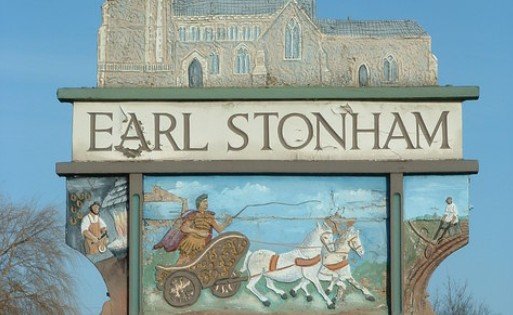
Nestled in the heart of the Suffolk countryside, Earl Stonham stands as a living portrait of England’s rural past, blending centuries of history, architectural brilliance, and community spirit into one captivating village. Its tranquil lanes, medieval church, and green surroundings paint an enduring picture of heritage that continues to inspire both residents and visitors alike. Despite its modest size, Earl Stonham holds immense cultural and historical significance, offering a glimpse into traditional English village life that has gracefully evolved through time.
The Location and Setting
Earl Stonham is a peaceful civil parish located in Mid Suffolk, Eastern England. Surrounded by fertile fields and winding country roads, the village lies between two key routes — the A14 and the A140 — providing easy access to the nearby market town of Stowmarket. It encompasses several charming hamlets, including Forward Green, Wicks Green, Broad Green, and Middlewood Green.
The area boasts classic English scenery — open meadows, flint cottages, winding lanes, and picturesque farmland. For those exploring the Suffolk countryside, Earl Stonham is an ideal stopover, perfectly capturing the calm and authenticity of traditional village life. The rural landscape also supports farming and small-scale local businesses that sustain the village’s economy.
A Glimpse into History
The history of Earl Stonham stretches back over a thousand years. It is believed to have been settled long before the Norman Conquest, and records of its existence appear in the Domesday Book of 1086. Over the centuries, the village has maintained its rural roots while witnessing major shifts in English history — from feudal farming to the industrial age and modern rural preservation.
The name “Earl Stonham” itself offers a fascinating clue to its origins. The word Stonham likely derives from Old English, meaning “stone homestead” or “stony village.” The prefix “Earl” was added to distinguish it from neighbouring villages such as Stonham Aspal and Little Stonham, possibly referencing the noble estates that once owned the surrounding land.
During the medieval era, agriculture dominated life here. Villagers farmed open fields, raised livestock, and worked under the manorial system. Despite the passage of time, the essence of that period still lingers — in the fields that stretch across the horizon and in the architecture that defines the village centre.
St Mary’s Church: The Soul of Earl Stonham
At the heart of Earl Stonham lies its crown jewel — St Mary’s Church, one of the most striking parish churches in Suffolk. This Grade I listed building has stood for centuries, serving as a symbol of devotion, artistry, and resilience.
The church’s design is remarkable for its cruciform layout and its breathtaking hammerbeam roof, adorned with carved angels, faces, and foliage. Each beam and carving tells a story, reflecting the craftsmanship and spiritual creativity of medieval artisans. The roof is often cited as one of the finest examples of its kind in East Anglia.
Inside, visitors find a treasure trove of medieval wall paintings, wooden pews with intricate carvings, and traces of earlier religious art. Among the surviving fragments are depictions of St George and the Dragon, the martyrdom of Thomas Becket, and scenes from the Last Judgment. These murals once served as visual sermons, teaching the village congregation biblical stories at a time when most could not read.
The tower of the church, added in the fifteenth century, rises elegantly above the surrounding fields. It once housed bells that marked the rhythm of village life — calling parishioners to worship, celebrating weddings, and tolling during times of loss.
St Mary’s Church has undergone several restorations over the centuries, with careful preservation ensuring that its unique features remain intact. Today, it continues to be a centre of community gatherings, religious services, and cultural appreciation, reflecting the enduring spirit of Earl Stonham’s residents.
Village Life and Community Spirit
Despite its small population, Earl Stonham maintains an active and friendly community atmosphere. The local village hall hosts gatherings, events, and celebrations that strengthen social bonds. Seasonal fairs, village meetings, and community walks are frequent, giving both long-time residents and newcomers a chance to connect.
The parish council plays an important role in managing local affairs and preserving the character of the area. Many residents take pride in maintaining the beauty and cleanliness of their surroundings. Walking through the village, one often sees well-kept gardens, neatly trimmed hedgerows, and welcoming faces — hallmarks of true English village hospitality.
The local footpaths and green routes are popular with walkers and nature lovers. The “Earl Stonham Blue Route,” a scenic circular trail, guides visitors through fields, woodland edges, and historic spots, providing a peaceful experience of the countryside.
Agriculture and Rural Economy
Earl Stonham has long been tied to agriculture. Generations of farmers have cultivated the land, shaping not only the local economy but also the landscape itself. While traditional farming remains important, modern enterprises have emerged alongside it.
One notable example is Earl Stonham Farms, known for producing premium-quality British Wagyu beef. Their sustainable approach and dedication to animal welfare reflect the evolving balance between heritage farming practices and modern food production.
Local artisans, small businesses, and family-owned farms continue to thrive here, contributing to Suffolk’s wider agricultural identity. The blend of tradition and innovation is key to keeping rural communities like Earl Stonham alive and prosperous.
Architecture and Heritage Buildings
Beyond its famous church, Earl Stonham features several historic cottages and farmhouses built from traditional Suffolk materials such as flint, timber, and thatch. These buildings offer a window into architectural styles that have defined the region for centuries.
Many properties retain medieval or Tudor elements, while others reflect Georgian and Victorian influences. Their charm lies in their irregular rooflines, exposed beams, and characteristic brickwork. Together, they give the village a timeless appeal that continues to attract admirers of English heritage.
Notable Figures and Titles
Earl Stonham’s name also gained prominence in British political history. Victor Collins, a respected British politician, was granted the title Baron Stonham of Earl Stonham in 1964. As a life peer, his title carried the village’s name into national awareness, adding a noble connection to its identity.
This association between rural England and the upper chamber of Parliament reflects how deeply rooted and influential small villages can be in the country’s broader narrative.
Nature and Countryside Appeal
The natural beauty surrounding Earl Stonham is one of its greatest assets. The village sits amidst rolling meadows, hedgerows alive with birdsong, and peaceful woodland paths. During spring, the fields burst into colour with wildflowers, while in autumn, the lanes glow with shades of gold and amber.
Cyclists and walkers often explore the surrounding routes, enjoying the combination of open sky and rural tranquillity. For photographers and artists, the area offers endless inspiration — from early morning mists over the fields to the soft evening light falling on St Mary’s Church tower.
Modern Developments and Sustainability
In recent years, Earl Stonham has balanced progress with preservation. Residents take great care to protect the village’s historical features while embracing modern improvements. Solar panels, energy-efficient homes, and sustainable farming techniques show a growing awareness of environmental responsibility.
The introduction of high-speed internet and better transport links has also made rural life more connected. Yet, despite these advances, the essence of Earl Stonham remains unchanged — it is still a place where tradition meets tranquillity.
Visiting Earl Stonham
For those exploring Suffolk, Earl Stonham is a rewarding destination. Whether visiting the medieval church, walking the quiet lanes, or simply enjoying the fresh countryside air, the experience feels like stepping back in time.
The village is conveniently located for day trips from towns such as Ipswich, Bury St Edmunds, and Stowmarket. Local pubs and bed-and-breakfasts nearby provide warm hospitality to travellers seeking an authentic Suffolk escape.
Why Earl Stonham Matters
Earl Stonham is more than just a name on the map; it represents the enduring character of rural England. It is a reminder of how communities can preserve their past while adapting to the present. Every flint wall, wooden beam, and village green tells a story of resilience, craftsmanship, and belonging.
In a rapidly modernising world, places like Earl Stonham hold invaluable lessons. They show that heritage and progress can coexist, that small villages can have vast significance, and that beauty often lies in simplicity.
Conclusion
Earl Stonham stands as a shining example of Suffolk’s historical and cultural richness. With its medieval church, strong community ties, and scenic countryside, it embodies everything quintessentially English — charm, history, and heart. Whether you come to admire its architecture, trace its medieval roots, or simply enjoy a quiet walk through its lanes, Earl Stonham leaves a lasting impression.
This village, though small in scale, holds a legacy that spans centuries. It continues to inspire admiration for its craftsmanship, faith, and natural beauty. In every sense, Earl Stonham is not merely a village — it is a timeless story of England itself.