Nestled deep within the captivating Scottish Highlands, Loch Farr is a name that evokes serenity, natural beauty, and the quiet rhythm of the countryside. While many travellers rush towards the famous lochs of Scotland such as Loch Ness or Loch Lomond, those who wander a little further south of Inverness discover this smaller yet profoundly enchanting body of water. Loch Farr is not only a tranquil retreat surrounded by ancient woodlands and rolling hills but also a living landscape teeming with wildlife, folklore, and the simple pleasures of outdoor life.
Location and Geography
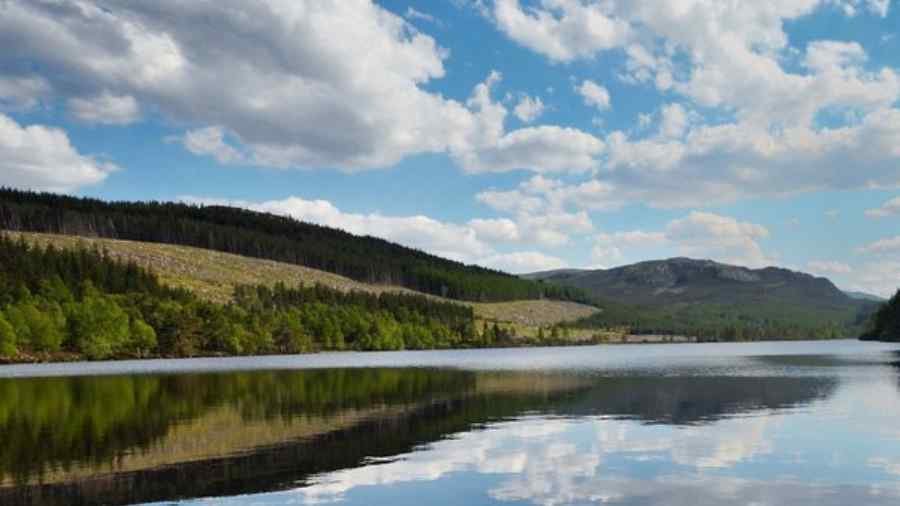
Loch Farr lies approximately twelve kilometres south of Inverness, within the region known as Strathnairn. It forms part of the scenic Farr Estate, an area rich in rural charm and Highland heritage. The loch itself is relatively small and shallow, yet its glassy surface reflects an expanse of greenery and sky that feels infinite. The surrounding terrain is gently undulating, covered in patches of heather, birch, rowan, and Scots pine.
Unlike many of Scotland’s deep glacial lochs, Loch Farr was formed by softer geological activity, which allowed lush aquatic vegetation to thrive beneath its clear surface. During the warmer months, reeds and water lilies drift across the water, and dragonflies skim the surface in flashes of colour. The loch’s shallowness gives it a unique atmosphere; it feels intimate rather than imposing, approachable rather than distant.
To the west and north, the land rises slightly into hills that provide spectacular views of the Highland countryside. The estate road that leads to the loch winds through peaceful woods, where the air carries the scent of pine resin and damp moss—a reminder of how pure and untouched this environment remains.
A Historical and Cultural Tapestry
Loch Farr has been part of the Highland landscape for centuries, long before tourism found its way into these valleys. The surrounding Farr parish holds deep historical significance. The Gaelic name Fàrr hints at ancient roots, possibly connected to early Pictish settlements or pastoral communities that once grazed livestock across these lands.
Like most places in the Highlands, Loch Farr is woven with legends. Locals speak of the loch’s “calm temperament,” in contrast to the more mysterious and often stormy nature of larger lochs nearby. In Highland folklore, bodies of water were believed to hold spirits or guardians—creatures that protected nature’s balance. While Loch Farr has no recorded monster like Nessie, it has earned a quiet reputation as a loch of peace and renewal, a place where one comes to shed the noise of life.
The nearby Farr Church, built in the 18th century, also holds a piece of cultural memory. Its modest stone walls and surrounding graveyard look out towards the valley that leads to the loch, linking the spiritual and natural worlds in a way that feels distinctly Scottish.
The Natural Beauty of Loch Farr
One of Loch Farr’s most striking features is its stillness. On a windless day, the water mirrors the sky perfectly, creating an illusion that time itself has paused. Yet beneath this calm exterior lies a vibrant ecosystem.
The Flora
The loch’s shallow bed supports an abundance of aquatic plants. Submerged vegetation, from pondweeds to slender reeds, forms underwater meadows that help maintain oxygen levels and provide shelter for fish and amphibians. In the surrounding woodlands, silver birches glisten in the morning mist, while rowan trees add a splash of red berries in autumn. Mosses and lichens thrive on the damp rocks and fallen logs, reminding visitors of the delicate harmony of life here.
The Fauna
Wildlife lovers find Loch Farr a quiet paradise. It is particularly known for its population of wild brown trout, which rise gently across the loch’s surface in the early evening when the light turns golden. Fishing here is a meditative experience; outboard motors are banned, preserving the purity of the water and the tranquillity of the setting.
Birdlife is abundant too. The haunting calls of curlews echo across the hills, while ospreys occasionally circle overhead in search of prey. Ducks, swans, and even herons are frequent visitors, taking advantage of the rich feeding grounds. The surrounding forest shelters red squirrels, roe deer, and pine martens, while the damp grasslands near the water’s edge host frogs, toads, and dragonflies in summer abundance.
Recreational Activities
While Loch Farr is a haven of solitude, it also offers a variety of outdoor pursuits that connect people with nature in the most authentic way.
Fishing
Fishing at Loch Farr has a long-standing tradition. The loch is managed responsibly, ensuring that anglers can enjoy sport while preserving the environment. Catching a wild brown trout here is a test of patience and skill, but the true reward lies in the setting itself—the gentle lap of water against the boat, the scent of the forest, and the soft cry of distant birds.
Walking and Hiking
Numerous trails weave around the loch and through the nearby woodland. Some paths climb gently to higher ground, offering panoramic views across Strathnairn. Walkers can explore at their own pace, breathing in crisp Highland air and listening to the natural soundtrack of rustling leaves and rippling water.
Boating and Swimming
For those seeking a quiet adventure, rowing or paddleboarding on Loch Farr is a delight. Because motorised boats are not permitted, the surface remains calm, perfect for reflection—both literal and metaphorical. In warmer months, some visitors even take to wild swimming, embracing the chill of pure Highland water for its refreshing and invigorating qualities.
Photography and Weddings
Loch Farr has recently gained popularity among photographers and couples seeking a romantic setting for elopements or small weddings. The mirrored water, forest backdrop, and Highland light create cinematic beauty in every frame. Early mornings and late afternoons bring magical lighting conditions that turn the loch into a painter’s dream.
Conservation and Ecology
Preserving the natural integrity of Loch Farr is vital. The area benefits from the care of local conservation groups and estate management that promote sustainable recreation. Rules such as banning motorboats, limiting fishing pressure, and maintaining paths help prevent pollution and soil erosion.
Because Loch Farr’s ecosystem is delicately balanced, it serves as an important educational site for understanding how smaller water bodies support biodiversity. The loch’s wetlands act as natural filters, improving water quality and offering habitats for countless insects, amphibians, and birds.
Climate change and human encroachment pose subtle but real threats. Longer dry periods can reduce water levels, while warmer temperatures may affect fish breeding patterns. Awareness and responsible tourism are therefore crucial to ensure that future generations experience the loch as it is today—untamed, unspoiled, and deeply alive.
The Spiritual Allure of Loch Farr
Beyond its physical beauty, Loch Farr holds a kind of spiritual magnetism. Visitors often describe feeling an unexplainable peace upon arrival. The silence is not emptiness—it is presence. The loch invites contemplation, reminding us of our small place in a much larger natural story.
Writers and artists who visit the Highlands frequently draw inspiration from this sense of stillness. Loch Farr, with its quiet waters and enveloping woods, becomes a mirror not only of the sky but of the human mind—reflecting both tranquillity and depth. It is the sort of place where one can walk alone for hours and leave feeling lighter, as if nature itself has whispered something comforting and ancient.
Visiting Loch Farr
Access to Loch Farr is relatively easy from Inverness, making it an ideal destination for a half-day or full-day retreat. The drive south offers glimpses of the River Nairn and charming Highland cottages along the way. Parking and access are typically available through the Farr Estate, which provides responsible visitor guidance to maintain the area’s pristine condition.
Visitors should come prepared with walking boots, waterproofs, and a respect for the land. Mobile signals are weak in the area, which adds to its remote charm—encouraging travellers to disconnect from technology and reconnect with the natural world.
Why Loch Farr Stands Out
What sets Loch Farr apart from Scotland’s more famous lochs is its intimacy. It doesn’t overwhelm with grandeur but captivates with its simplicity. It is not about spectacle—it is about stillness.
In a world increasingly dominated by noise, haste, and digital distractions, Loch Farr reminds us of the beauty of slowness. It teaches that nature’s most profound moments are quiet: a ripple on the water, a sudden bird call, a shaft of sunlight through trees. The loch’s appeal lies in its authenticity—it asks for nothing, promises nothing, yet gives peace to all who visit.
Conclusion
Loch Farr is one of Scotland’s unsung treasures—a loch of tranquillity, wildlife, and soul-deep beauty. It stands as a reminder that even in the shadow of the great Highland icons, there exist places of quiet wonder waiting to be discovered. Whether one comes for fishing, photography, reflection, or a simple walk among the birches, Loch Farr offers an experience that nourishes both the mind and the spirit.
In every season, from misty dawns to golden sunsets, this hidden gem continues to whisper the timeless message of nature’s grace. Loch Farr is not merely a destination; it is a feeling—of calm, balance, and belonging in the heart of the Highlands.