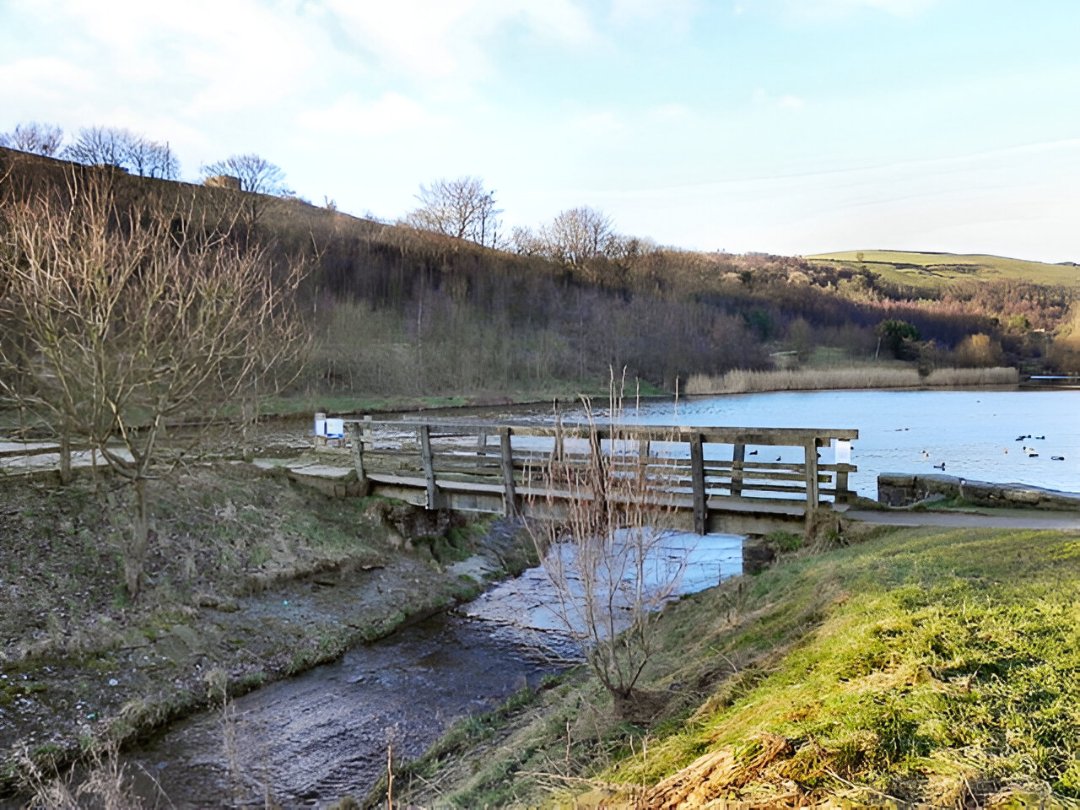
Nestled between Oldham and Delph in Greater Manchester, Strinesdale Reservoir stands as a picturesque haven where nature, history, and tranquillity blend seamlessly. This scenic reserve, once a pair of operational reservoirs, has transformed over the decades into one of Northern England’s most charming nature retreats. Surrounded by rolling hills, wildflower meadows, and dense woodlands, it offers an idyllic escape from the bustle of urban life. For locals and visitors alike, Strinesdale is more than just a reservoir—it’s a place that tells a story of change, resilience, and conservation.
Historical Background
The history of Strinesdale Reservoir stretches back to the early 19th century, when industrialisation demanded a growing water supply for the towns of Oldham and the surrounding textile mills. The upper reservoir was constructed around 1826, followed by the lower reservoir in 1838. Together, they provided vital water to fuel Oldham’s industrial expansion, helping the area flourish as one of the leading cotton-spinning towns of its era.
The name “Strinesdale” itself holds historical significance. Derived from the Old English word strine, meaning “boundary,” it reflects the site’s geographical importance as part of the old border between Lancashire and Yorkshire. Over time, as water technology evolved and local industries declined, the reservoirs became less crucial for supply. By the late 20th century, the site had aged considerably and was eventually drained in 1991.
Rather than leaving the landscape barren, local authorities and conservation bodies saw an opportunity to revitalise the site. The drained basins were reshaped into smaller lakes, wetlands, and meadows, creating a sanctuary for wildlife and visitors alike. This transformation turned Strinesdale from a purely industrial utility into a thriving ecological and recreational landmark.
Natural Beauty and Landscape
One of the most remarkable aspects of Strinesdale Reservoir is its breathtaking natural landscape. Set against the undulating Pennine foothills, the site features a mix of woodland, open grassland, and serene water bodies. The upper and lower lakes reflect the surrounding trees, creating postcard-perfect views in every season.
In spring and summer, the meadows come alive with buttercups, oxeye daisies, and bird’s-foot trefoil. The air buzzes with dragonflies and bees, while butterflies flutter over the wildflowers. Autumn paints the trees in warm hues of amber and crimson, while winter transforms the area into a tranquil wonderland, often blanketed in mist or light snow.
Walking through Strinesdale is a sensory delight. The sound of rustling leaves and birdsong fills the air, and the scent of damp earth and wild flora creates an atmosphere of calm rarely found so close to urban centres. For photographers, the area is a dream—its reflections, colours, and natural compositions make it one of the most photogenic locations in Oldham.
Wildlife and Conservation
Strinesdale Reservoir is a haven for wildlife. The careful rewilding efforts have allowed a variety of species to thrive, making it a vital ecological hotspot in the region. Birdwatchers can often spot herons standing gracefully by the lakes, kestrels hovering overhead, and ducks gliding across the calm waters. In spring, songbirds such as robins, blackbirds, and warblers fill the air with music, while in the evening, owls can sometimes be heard calling from the surrounding woods.
The wetlands support amphibians like frogs and newts, and the undergrowth provides shelter for small mammals such as voles and hedgehogs. Native tree species including oak, birch, and willow create a biodiverse woodland canopy that attracts insects and supports a balanced ecosystem.
The site’s transformation from reservoir to nature reserve represents a powerful example of how human-made landscapes can be returned to nature with care and intention. Conservation teams continue to monitor the health of the ecosystem, ensuring that habitats remain protected from invasive species and pollution.
Walking Trails and Outdoor Recreation
Strinesdale Reservoir is one of Oldham’s most beloved outdoor destinations. Its network of walking trails, both gentle and moderate, makes it accessible for people of all ages and fitness levels. The main circular route, which loops around the upper and lower lakes, offers spectacular views and takes roughly an hour at a leisurely pace. Along the way, benches and open grassy patches invite visitors to pause, picnic, or simply enjoy the scenery.
The trails are well-maintained and suitable for walkers, joggers, and even families with prams. Dog walkers frequent the area, though visitors are encouraged to keep pets on leads to protect local wildlife.
For the more adventurous, Strinesdale’s proximity to the Pennine Way and Saddleworth Moors opens up endless opportunities for extended hikes and exploration. Cyclists often use the nearby roads for scenic rides, while nature enthusiasts enjoy birdwatching and photography throughout the year.
Fishing and Local Activities
Fishing remains one of the reservoir’s most popular recreational activities. Managed by local angling clubs, the lakes provide excellent opportunities for course fishing, with species such as perch, roach, and carp commonly caught. Fishing permits can be obtained through the Medlock Valley Angler’s Club, ensuring that the activity remains sustainable and environmentally responsible.
Community events occasionally take place in the area, particularly during summer, celebrating local heritage and promoting conservation awareness. School groups and nature clubs often visit for educational walks, studying the ecology and history of the site.
Accessibility and Facilities
Though largely unspoiled and natural, Strinesdale Reservoir is equipped with basic amenities to ensure visitor comfort. There is a small car park near the entrance, providing easy access for day visitors. Information boards detail the site’s history, flora, and fauna, while signposts mark different walking routes.
However, it’s worth noting that there are currently no toilet facilities on site, preserving its rustic and minimally developed charm. The area remains safe, clean, and family-friendly, thanks to regular maintenance by local authorities and volunteers.
The Perfect Spot for Relaxation and Mindfulness
In an age dominated by screens, stress, and noise, Strinesdale Reservoir offers a powerful antidote. Many visitors come here not just for exercise, but for peace of mind. The gentle rhythm of rippling water and the whisper of wind through the trees have a deeply calming effect. It’s a place to slow down, reflect, and reconnect with nature.
Local residents often describe it as a “hidden gem,” a sanctuary that feels worlds away from the city even though it’s only a short drive from central Oldham. Whether you’re seeking solitude, a peaceful walk with family, or a quiet place to read and think, Strinesdale provides a perfect environment for mindfulness and relaxation.
Environmental Importance and Future Vision
The success of Strinesdale’s transformation highlights the importance of environmental restoration. It serves as a model for how decommissioned industrial sites can be repurposed into green spaces that benefit both people and wildlife. The reservoir’s wetlands help manage flood risk and contribute to water purification, while its trees absorb carbon dioxide and improve air quality.
Local councils and conservation groups continue to invest in its upkeep, promoting sustainable tourism and community engagement. Future plans include enhancing educational resources, improving accessibility, and preserving biodiversity through careful management.
Strinesdale also plays an important role in promoting environmental awareness among the community. It reminds visitors that the beauty of nature is fragile and must be protected through responsible behaviour—avoiding littering, staying on marked trails, and respecting wildlife habitats.
Visiting Tips
For anyone planning a visit, early mornings and late afternoons are ideal times to experience the reservoir’s serene beauty. The light during sunrise and sunset reflects magnificently on the water, creating an almost magical atmosphere. Comfortable walking shoes, a water bottle, and a light jacket are all you need for a perfect outing.
It’s best to check weather conditions before heading out, as parts of the trail can become muddy after heavy rain. During winter, frost can make certain paths slippery, so extra care is advised.
Families can bring picnics, and photographers should not forget their cameras—every corner of Strinesdale tells a visual story worth capturing.
Conclusion
Strinesdale Reservoir is more than a scenic retreat—it’s a living chapter of Oldham’s history, a triumph of conservation, and a reminder of nature’s enduring beauty. From its industrial roots to its rebirth as a flourishing nature reserve, Strinesdale embodies the spirit of renewal and balance.
Its lakes mirror not just the surrounding landscape, but also the relationship between humanity and nature—a bond that thrives when nurtured with respect and care. For those seeking a peaceful walk, a family outing, or simply a breath of fresh air, Strinesdale Reservoir stands as one of Greater Manchester’s most enchanting and rewarding destinations.