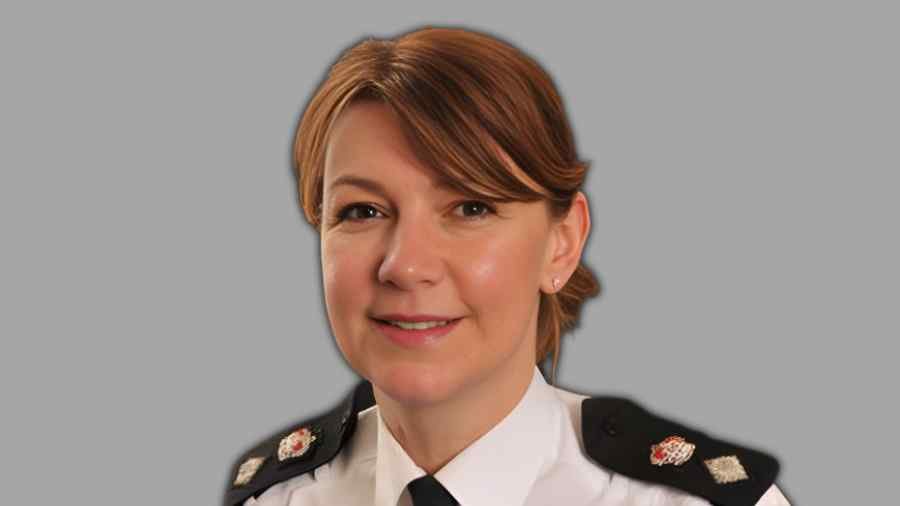
The name Judi Heaton has become increasingly recognised within British policing, not only for her proven professional excellence but also for her ability to lead through complexity, change, and community expectation. Across three decades of service, Heaton has shaped policing culture, strategic reforms, and public safety programmes in several forces throughout the United Kingdom. Her story is not merely one of climbing the ranks. Rather, it reflects an unwavering commitment to integrity, modernisation, and public trust. In an era where police accountability and public confidence are constantly under scrutiny, Judi Heaton stands as a remarkable example of what transparent, compassionate, and strategic policing leadership should look like.
She has served in many high-pressure and high-profile roles, working across investigative, strategic, and operational policing. From managing complex major crimes to enhancing national systems and forensic strategies, she has repeatedly demonstrated the skill, courage, and vision needed within law enforcement leadership. Her rise to national attention has also been strengthened by her appointment as a senior decision-maker during one of the modern policing era’s most challenging periods. To understand the significance of Judi Heaton’s journey, it is crucial to examine her early life in policing, her leadership roles, her contributions to policing at local and national levels, and her impact on modern public safety.
Early Career and Policing Roots
Judi Heaton’s career began in the early 1990s, at a time when British policing was undergoing tremendous organisational and cultural changes. She joined Humberside Police as a young officer committed to public service and community-focused policing. From the outset, her work demonstrated a balance between traditional policing values—like duty and fairness—and a modern appreciation for training, innovation, and operational reform.
Her early policing responsibilities exposed her to the realities of community safety, front-line investigations, and public-facing roles. Working at the local level gave her a deep understanding of both the strengths and weaknesses of policing systems. It also provided her with an essential grounding for the roles she would later take on—roles demanding not just experience but strategic foresight.
During these early years, her capability for leadership began to emerge. She progressed through several operational grades, working in detective units and specialist teams. Each advancement provided her with deeper insights into public protection, investigative skills, and the importance of leadership in crisis situations.
Climbing the Ranks and Earning Recognition
Over the following decades, Judi Heaton served in multiple UK police forces and progressed into positions of growing responsibility. She developed particular expertise in investigative policing and safeguarding, but her leadership style also became known for professionalism and fairness. She was trusted to supervise sensitive cases, lead multi-agency operations, and take responsibility for policing in high-pressure environments.
One of her greatest strengths has always been her ability to balance operational performance with ethical policing. This balance is essential in modern times when the public expects transparency and compassion from police forces as much as efficiency and response. Her commitment to learning and strategic improvement has often been described as one of her defining characteristics.
Her leadership roles have included oversight of major policing portfolios such as public protection, safeguarding, professional standards, major crime investigations, and operational readiness. She has been regarded as a policing professional with the rare ability to combine assertive decision-making with collaborative working.
As her career progressed, Judi Heaton became known as someone who could modernise policing in ways that benefited not only internal teams but also broader communities. She was appointed to senior roles with responsibility for supporting internal reform, enhancing public confidence, and improving operational delivery.
Leadership Style and Core Values
Judi Heaton has earned a reputation for a particular style of leadership. It is rooted in authenticity, integrity, and strategic thinking. She has frequently emphasised areas such as fairness, professional standards, and collaboration. These values have shaped the teams she has led and the policies she has helped implement.
Her approach is not characterised by traditional top-down command structures alone. Instead, it reflects a commitment to service-based leadership. A recurring theme throughout her career is her ability to empower officers and staff, create clear operational priorities, and ensure that policing remains responsive to public needs.
Heaton’s strategic thinking has enabled forces to improve their performance and tackle issues ranging from community safety to major incidents. Her leadership reflects strong emotional intelligence and a forward-looking mindset, understanding that policing must evolve as society changes.
A Senior Role in Strategic Modern Policing
During her career, Judi Heaton has contributed to major policing operations and national initiatives. Her work has supported the evolution of policing technology, investigations, and safeguarding practices. She has also led teams responsible for complex major crime and public protection cases. These responsibilities reflect both trust and expertise—qualities vital in senior policing roles.
Beyond the operational side, her leadership has been instrumental in improving organisational systems. She has helped enhance communications, training, frontline performance, and inter-agency collaboration. Her influence can be seen in areas such as safeguarding strategies, modern policing operations, and improved our approach to community safety.
Her ability to take on roles that require large-scale coordination, high-pressure decision-making, and long-term planning has made her a respected figure in policing leadership throughout the UK. Her leadership has contributed to reforms that have improved policing outcomes for the public and strengthened professional standards.
Appointment as a Senior Policing Leader
In recent years, Judi Heaton’s experience and reputation led to one of her most significant roles. She was chosen to take on a senior leadership position within a major UK police force when the organisation faced uncertainty and transition. Her appointment was widely viewed as a stabilising force during a period of organisational challenge and public concern.
Senior appointments in policing often reflect not only skill but also trust. Judi Heaton’s professional record made her a natural choice for a position that required clarity of vision, operational knowledge, and the respect of both officers and communities. She took on the role with a clear focus on maintaining service standards, supporting officers, and guiding the organisation through a time of change.
Impact on British Policing
Judi Heaton has helped shape modern policing in several meaningful ways. Her leadership and strategic thinking have contributed to:
- Improved standards of professionalism.
- Stronger public protection policies.
- Better communication between agencies.
- Higher levels of accountability and integrity.
- Focus on community-centred policing.
- Development of modern investigative approaches.
Her leadership in safeguarding, investigative policing, and operational strategy has influenced wider policing culture. Senior officers, policy-makers, and policing partners often emphasise the importance of trust and transparency, qualities Heaton has consistently represented.
Contribution to Public Confidence in Policing
Public trust is one of policing’s most critical assets. Throughout her career, Judi Heaton has demonstrated a commitment to building and protecting community confidence. Her leadership emphasises good communication, professional conduct, and accessible policing policies. She is known as someone who brings people together, ensures accountability, and encourages officers to communicate openly with the public.
Her focus on leadership that supports fairness and transparency reflects a broader need within British policing. At a time when public expectations are high and communities demand change, leaders like Judi Heaton have been vital in steering forces toward more empathetic, consistent, and community-focused approaches.
Women in Policing: Breaking Barriers and Leading Change
Judi Heaton’s career is especially significant when viewed through the context of women in policing. Historically, women have faced barriers in progressing through police organisations. Her success demonstrates not only personal achievement but the progress that policing has made in becoming a more inclusive profession.
She has also served as an example for other women in the law enforcement community. Her leadership and visibility help encourage recruitment, support professional development, and challenge outdated stereotypes. Her work in mentoring and developing talent has further strengthened this legacy.
A Vision for the Future
Judi Heaton’s career is far from simply a list of achievements. It reveals the qualities modern policing requires: knowledge, compassion, courage, strategic insight, and trust. She has shown that leadership is not simply about command but also about listening, creating accountable structures, and improving community safety.
Her journey reflects a broader transformation in policing—one that embraces training, technology, public involvement, and professional accountability. The future of policing will continue to be shaped by leaders like her who understand the public they serve and remain committed to improving standards.
Conclusion
Judi Heaton is more than a high-ranking police officer. She represents a modern vision of what British policing leadership should be: principled, strategic, and community-focused. Her story demonstrates the power of professionalism and long-term commitment in shaping public safety. Through her decades of service, she has contributed to policing reforms, improved public confidence, and provided stability during times of organisational change.
Her influence will continue to inform policing practices in the years to come. Judi Heaton’s legacy is not only measured by rank but by the positive changes she has helped achieve for officers, communities, and the future of policing in the United Kingdom.