Steve Tuckwell: A Determined Voice in Modern British Politics

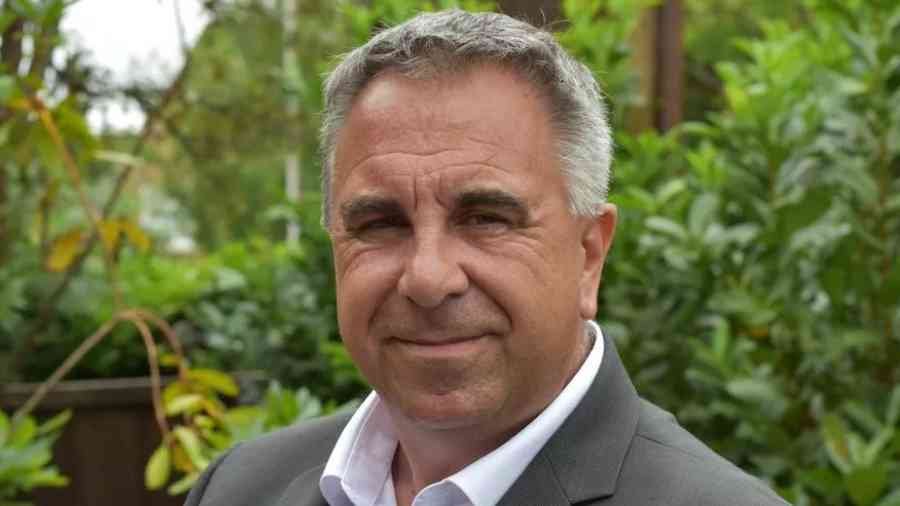
Steve Tuckwell is a British political figure whose rise to national attention reflects the continuing importance of local voices in the United Kingdom’s democratic system. Known for his firm stance on community issues and his emphasis on practical governance, he emerged from local government to represent a high-profile parliamentary constituency during a period of political tension and public debate. Although his time as a Member of Parliament was relatively short, his political journey provides valuable insight into grassroots Conservatism, suburban concerns, and the realities of modern British politics.
Table of Contents
ToggleEarly Life and Personal Background
Steve Tuckwell was born and raised in the London Borough of Hillingdon, an area that would later play a central role in his political identity. Growing up in West London gave him direct exposure to the challenges faced by suburban communities, including housing pressure, transport congestion, and the balance between development and environmental protection.
Before entering frontline politics, he built a professional career outside Westminster. He worked for many years in management roles, including positions within Royal Mail and vehicle fleet operations. This background strongly influenced his political outlook. Rather than approaching politics from a purely academic or ideological angle, he developed views shaped by real-world experience, operational responsibility, and everyday workplace realities.
Supporters often highlight this aspect of his background as one of his defining strengths. It helped him communicate comfortably with working families, public sector employees, and small business owners who value practicality and reliability over abstract political language.
Entry into Local Government
Steve Tuckwell’s first major step into public life came through local government. He was elected as a councillor in Hillingdon, where he began building a reputation as an active and accessible local representative.
In local office, his work focused on issues that directly affected residents’ daily lives. These included planning decisions, housing development, transport infrastructure, and the protection of green spaces. He was particularly attentive to the impact of new developments on existing communities, often emphasising the need for growth that respects local character and infrastructure capacity.
Over time, his effectiveness in council roles led to senior responsibilities, including cabinet-level positions. These roles required him to balance financial pressures, long-term planning objectives, and community expectations. His experience in these positions strengthened his credibility and prepared him for the demands of national office.
Building a Local Political Identity
Unlike politicians who rapidly move between constituencies, Steve Tuckwell built his political identity firmly around the area where he lived and worked. This local grounding became a central feature of his public image.
Residents frequently associated him with:
Strong casework support for constituents
Regular engagement with community organisations
Clear communication on council decisions
A willingness to challenge policies that affected his area
This approach helped him develop trust among voters who valued visibility and consistency. It also aligned with a broader trend in British politics, where voters increasingly expect representatives to prioritise local accountability over party loyalty alone.
The By-Election That Changed Everything
Steve Tuckwell entered the national spotlight during the Uxbridge and South Ruislip by-election in 2023. The contest followed the resignation of a well-known political figure and quickly became one of the most closely watched by-elections in recent years.
The campaign attracted significant national media attention, not only because of the constituency’s history but also because of the central issue dominating local debate: the expansion of the Ultra Low Emission Zone, commonly referred to as ULEZ.
Tuckwell made opposition to ULEZ expansion a cornerstone of his campaign. He argued that the policy placed unfair financial pressure on families, tradespeople, and key workers who relied on older vehicles. By framing the issue around cost, timing, and fairness, he connected with voters who felt that city-wide policies were being imposed without sufficient consideration of suburban realities.
Against many expectations, he won the by-election, a result that sparked widespread discussion about transport policy, voter priorities, and the importance of local campaigning.
Life as a Member of Parliament
Steve Tuckwell’s time as a Member of Parliament was relatively short, but it was marked by active engagement and a strong focus on constituency representation.
In Westminster, he concentrated on issues that reflected his campaign commitments and local experience. He raised concerns related to transport costs, community safety, and the impact of national policy on everyday life. He also participated in legislative scrutiny, contributing to debates and committee work that addressed business regulation, public services, and social policy.
In addition to his parliamentary duties, he served in a supporting role within government structures, demonstrating organisational skill and reliability. These responsibilities required discretion, attention to detail, and close cooperation with senior colleagues.
Throughout his time in Parliament, he continued to emphasise the importance of linking national decisions to local consequences, a theme that remained consistent with his earlier work in local government.
Political Beliefs and Core Principles
Steve Tuckwell’s political philosophy can best be described as pragmatic and community-focused. Rather than presenting himself as an ideological campaigner, he prioritised outcomes and fairness.
His core principles included:
Local Accountability
He consistently argued that policies should be shaped by the needs and realities of local communities rather than imposed uniformly across different areas.
Economic Practicality
Drawing on his professional background, he supported measures that protected jobs, controlled unnecessary costs, and supported small and medium-sized businesses.
Balanced Environmental Action
While acknowledging the importance of environmental protection, he stressed that environmental policies must be proportionate and sensitive to economic impact.
Public Safety and Services
He placed strong emphasis on visible policing, effective public services, and responsible management of public resources.
These principles shaped both his parliamentary contributions and his work at council level.
The ULEZ Debate and Its Impact
The issue of ULEZ expansion became closely associated with Steve Tuckwell’s political identity. His opposition to the policy generated strong reactions on both sides of the debate.
Supporters viewed his stance as a defence of fairness, arguing that the policy disproportionately affected those least able to absorb additional costs. They saw him as giving a voice to suburban and outer-London communities that felt marginalised in city-wide decision-making.
Critics, however, argued that opposing ULEZ risked undermining efforts to improve air quality and public health. Tuckwell responded by reframing the debate around implementation, timing, and alternatives rather than rejecting environmental responsibility outright.
Regardless of perspective, the debate significantly raised his profile and highlighted the complexity of balancing environmental goals with social and economic realities.
The 2024 General Election
In the 2024 general election, Steve Tuckwell lost his parliamentary seat amid a difficult national environment for his party. The result reflected broader political trends rather than a single local issue.
Following the defeat, he responded with professionalism, thanking supporters and acknowledging the democratic outcome. His conduct after the election reinforced his reputation as a committed public servant rather than a career politician focused solely on personal advancement.
Despite the loss, he remained active in public life, continuing his work in local government and maintaining engagement with community issues.
Leadership Style and Reputation
Steve Tuckwell is often described as straightforward, accessible, and grounded. He avoids dramatic political language, preferring clear explanations and practical solutions.
Key features of his leadership style include:
Strong emphasis on constituent service
Regular face-to-face engagement with residents
Willingness to challenge policies affecting his community
Focus on delivery rather than symbolism
This approach has earned him respect among supporters and political colleagues alike, even when opinions differ.
Broader Significance in British Politics
Steve Tuckwell’s political journey illustrates several important aspects of contemporary British politics. It highlights the growing influence of local issues in national contests, the tension between urban policy priorities and suburban realities, and the continuing relevance of grassroots campaigning.
His experience also demonstrates the challenges faced by MPs entering Parliament during periods of political volatility, where national trends can quickly reshape individual careers.
Looking Ahead
Although no longer serving as a Member of Parliament, Steve Tuckwell remains an experienced political figure with a strong local base. His background in both council leadership and parliamentary work positions him well for continued influence in public affairs.
Whether through local government, party roles, or future electoral contests, his commitment to community-focused politics suggests that his role in public life is not yet complete.
Conclusion
Steve Tuckwell’s story is one of local roots, practical governance, and principled engagement with complex policy debates. His rise from council leadership to Parliament, shaped by a landmark by-election and a defining transport issue, reflects the enduring importance of community representation in the United Kingdom.
While his time in Westminster was limited, his impact on local politics and national discussion was meaningful. As an example of grassroots-driven leadership, Steve Tuckwell remains a relevant figure in understanding how modern British politics continues to evolve.