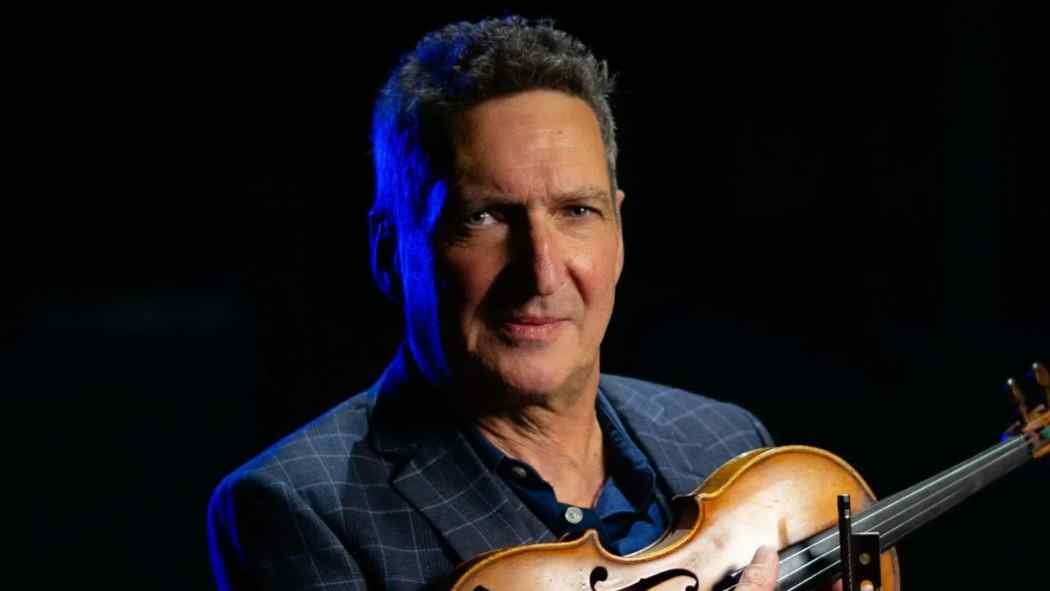
Charlie McKerron is widely regarded as one of Scotland’s most gifted fiddlers, a musician whose sound bridges centuries-old traditions and modern folk innovation. His playing embodies the spirit of the Scottish Highlands while embracing fresh ideas, contemporary arrangements and cross-genre collaborations. For decades, he has contributed not only as a performer but also as a composer, producer and mentor. His work with iconic groups such as Capercaillie and Session A9 has helped reshape the global perception of Scottish folk music, bringing it from local ceilidhs to international concert halls and major festivals. This article explores his life, artistry, achievements and enduring cultural influence in rich detail.
Early Life and Musical Foundations
Charlie McKerron grew up surrounded by the sounds of Scottish traditional music. The fiddle was a central part of his family environment, and from a young age he absorbed melodies that had been passed orally through generations. Born in the north-east of Scotland, an area with a strong fiddle heritage, he naturally developed a keen ear for regional stylistic nuances. The north-east style is known for its clarity, ornamentation and dance-driven energy, all of which became defining features of his technique.
As a young musician, McKerron learned the old way—primarily by listening and playing rather than relying on written notation. This sharpened his musical memory, improvisation and sensitivity to variation. Over time, he also embraced other instruments like guitar, piano and whistle, which enriched his understanding of arrangement and composition. His early musical life built the foundation for a career that would balance tradition with modern creativity.
Entry into the Scottish Folk Scene
As Scottish folk music evolved in the late twentieth century, many musicians began blending traditional elements with contemporary sounds. McKerron entered this world at just the right moment. His talent quickly attracted attention, leading him into circles of respected performers and composers. His ability to maintain authentic fiddle style while adapting to new musical ideas made him a natural fit for trailblazing groups.
Rise to Recognition with Capercaillie
Charlie McKerron became widely known through his long-standing role in the group Capercaillie, a band considered one of the most influential forces in modern Celtic and Gaelic music. Joining them in the 1980s, he contributed significantly to their evolving sound. Capercaillie is famous for blending traditional Gaelic songs with modern arrangements, adding elements of contemporary folk, world music and subtle electronic influences.
McKerron’s fiddle became a signature element of the band’s sound. His ability to shape melodies around the haunting Gaelic vocals added emotional depth, while his dance-style playing energised many of their instrumental pieces. The band toured internationally, recorded acclaimed albums and helped introduce Gaelic music to audiences who had never encountered it before. Through this journey, McKerron established himself as a master instrumentalist capable of moving fluidly between soulful airs and fiery reels.
Session A9 and the Evolution of Group Fiddling
In addition to Capercaillie, McKerron co-founded Session A9, a powerhouse fiddle group featuring some of Scotland’s most accomplished musicians. The ensemble became known for its rich multi-fiddle harmonies, driving rhythms and contemporary arrangements. Session A9 offered McKerron a different artistic space—one grounded deeply in instrumental tradition yet open to experimentation.
The group’s sound is characterised by:
- intricate fiddle harmonies
- dynamic arrangements
- modern rhythmic accompaniments
- a blend of regional Scottish fiddle influences
Session A9 has been celebrated for reinvigorating instrumental Scottish music and showcasing the fiddle as a lead voice capable of emotional range, technical brilliance and collaborative unity. McKerron’s role in the ensemble highlights his versatility—not just as a soloist but as a musician who thrives in collective creativity.
Composer, Producer and Musical Innovator
Beyond performance, Charlie McKerron is a respected composer and producer. His work spans multiple mediums, including film, theatre, collaborative folk projects and studio production.
He has composed original pieces that reflect both modern sensibilities and traditional phrasing. His music often carries the atmosphere of the Highlands, blending melancholy with uplifting energy. He has also contributed to film soundtracks, demonstrating his ability to adapt traditional instruments to cinematic storytelling.
As a producer, McKerron brings a deep understanding of folk textures and acoustic dynamics. His guidance has shaped the careers of younger musicians while supporting the preservation of Scotland’s musical heritage.
Teaching and Mentorship
One of McKerron’s significant contributions to the folk world is his involvement in education. He has taught workshops, masterclasses and short courses, passing his knowledge to the next generation. His teaching philosophy focuses on:
- learning by ear
- understanding rhythm and pulse
- developing personal interpretation
- exploring the history and emotion behind tunes
Students describe him as encouraging, warm and deeply knowledgeable. His mentorship ensures that the Scottish fiddle tradition continues to evolve while remaining rooted in authenticity.
Musical Style and Distinctive Sound
Charlie McKerron’s fiddle style is instantly recognisable. It contains a mixture of technical precision, emotional expression and dance-driven energy. Some of the defining features of his style include:
- rich tone with controlled ornamentation
- smooth bowing technique
- thoughtful phrasing shaped by Gaelic melody
- strong rhythmic capability for reels, jigs and strathspeys
- the ability to blend seamlessly in ensemble settings
His playing is both powerful and elegant, making him a favourite among traditional listeners and contemporary folk audiences.
Influence on Modern Scottish Folk Music
McKerron has played a vital role in modernising Scottish folk music. Through Capercaillie, he helped bring Gaelic traditional music into mainstream recognition. Through Session A9, he showcased the potential of collaborative fiddle performance. Through his compositions and teaching, he contributed to the artistic development of countless musicians.
His influence is evident in:
- the popularity of fiddle ensembles
- the continued blending of traditional and modern folk styles
- the global exposure of Scottish Gaelic culture
- the rise of younger musicians inspired by his approach
International Recognition and Cultural Impact
Charlie McKerron’s music has travelled far beyond Scotland. Touring across Europe, North America and other regions, he has helped share the beauty of Scottish traditional music with global audiences. His performances have inspired listeners unfamiliar with the fiddle or Gaelic music, proving that cultural expression can resonate universally when delivered with authenticity and passion.
As a cultural ambassador, he has shown how music preserves identity while fostering connection across borders.
Legacy and Continuing Journey
Even after decades in the industry, McKerron remains an active and influential figure. His career continues to evolve through collaborations, teaching and new musical ventures. His legacy rests not only in recordings and performances but also in the musicians he has mentored and the traditions he has helped sustain.
Charlie McKerron stands as a bridge between Scotland’s musical past and its ever-growing future—a true custodian of culture and innovation.
Conclusion
Charlie McKerron is more than a Scottish fiddler; he is a central figure in the development of modern Celtic and Gaelic music. His artistry blends deep tradition with contemporary creativity, shaping the sound of groups like Capercaillie and Session A9 while inspiring generations of musicians. Through performance, composition, production and teaching, he has left an enduring mark on Scotland’s musical heritage. His work illustrates how traditional music can remain alive, relevant and globally appreciated when nurtured by skilled, passionate hands.