Scotland is famous for its rugged landscapes, dramatic mountains, and timeless glens. While many travellers head straight to the well-known locations like Glencoe or Loch Ness, there are quieter corners of the Highlands that offer equally breathtaking scenery. One of these remarkable places is Glen Prosen, a peaceful valley in the Angus region that combines natural beauty, rich history, and a strong connection to traditional Highland life.
The Location and Natural Setting
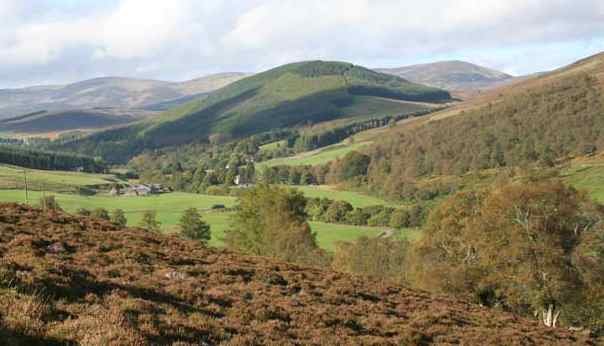
Located in the council area of Angus in eastern Scotland, Glen Prosen lies to the north of the town of Kirriemuir and forms part of the broader network of valleys known collectively as the Angus Glens. These glens extend into the southern edge of the Cairngorms mountain range, creating a spectacular landscape of hills, rivers, and open moorland.
The valley stretches along the River Prosen, which flows gently through farmland, woodland, and grassy slopes before joining the River South Esk further south. This river has shaped the landscape for centuries, creating fertile ground and sustaining wildlife throughout the region.
The terrain of Glen Prosen is defined by rolling hills rather than dramatic cliffs, giving it a softer and more open appearance compared with some of Scotland’s more rugged glens. This gentle landscape contributes to the peaceful and welcoming atmosphere that visitors often notice as soon as they arrive.
The Angus Glens Connection
The Angus Glens consist of five main valleys: Glen Clova, Glen Doll, Glen Isla, Glen Esk, and Glen Prosen. Each glen has its own unique character and natural features, yet they all share a strong cultural and environmental connection.
Among them, this valley is often considered the quietest and least crowded. While Glen Clova attracts hikers heading into the Cairngorm mountains and Glen Esk is known for its historical landmarks, Glen Prosen offers a slower pace of exploration. Visitors can walk along rural roads, climb surrounding hills, or simply enjoy the tranquillity of the countryside.
Because it is less commercialised than other glens, the landscape remains largely untouched, preserving its traditional rural charm.
A Landscape Rich in Wildlife
One of the most remarkable aspects of Glen Prosen is its wildlife. The valley supports a diverse range of species thanks to its varied habitats of grassland, woodland, and upland moor.
Red deer are among the most iconic animals found in the glen. These majestic creatures often roam the hillsides and can sometimes be spotted grazing quietly in open fields. During the autumn rutting season, the calls of stags echo across the valley, creating a dramatic natural spectacle.
Birdlife is equally impressive. Golden eagles occasionally soar above the mountains, while smaller birds such as curlews, skylarks, and grouse are common in the surrounding moorland. The river environment also supports fish populations, including trout, making the area attractive for anglers.
The peaceful environment allows wildlife to thrive with minimal disturbance, which is why nature enthusiasts often regard Glen Prosen as a hidden gem for observing Scotland’s native animals.
Outdoor Activities and Exploration
Although it may appear remote, the glen offers a wide range of outdoor activities. Walking and hiking are the most popular ways to explore the area. Numerous paths lead into the surrounding hills, allowing visitors to experience sweeping views across the Angus countryside.
Many walkers enjoy following the quiet roads and farm tracks that wind through the valley. These routes offer an easy way to appreciate the scenery while passing historic farms and traditional stone cottages.
For more adventurous explorers, the hills surrounding Glen Prosen provide challenging climbs and rewarding viewpoints. On clear days, the panoramic views stretch across neighbouring glens and deep into the Cairngorm mountain range.
Cycling is another excellent way to experience the area. The quiet roads and gentle gradients make it suitable for cyclists who prefer scenic routes without heavy traffic.
Historical Background of the Valley
Like many parts of the Scottish Highlands, the glen has a long and fascinating history shaped by agriculture, clan culture, and rural traditions. For centuries, local communities relied on farming and livestock to sustain their livelihoods.
Sheep farming became particularly important in the eighteenth and nineteenth centuries, transforming the landscape into the patchwork of fields and grazing land seen today. Stone farmhouses and barns scattered throughout the valley are reminders of these agricultural roots.
The area also played a role in Scotland’s broader cultural history. Highland traditions, including storytelling, music, and Gaelic heritage, were once central to life in these remote valleys. While modern life has changed many aspects of rural living, traces of this heritage still remain in local customs and place names.
The small settlement of Glenprosen Village serves as a focal point for the community and reflects the enduring rural character of the valley.
The River and Its Importance
The River Prosen flows quietly through the heart of the valley and plays a significant role in the local ecosystem. Its clear waters support fish populations and provide drinking water for wildlife and livestock.
Historically, the river also helped sustain agriculture by irrigating nearby fields and supplying water to farms. Over time, it has carved gentle curves into the valley floor, shaping the surrounding landscape.
Today, the river adds to the charm of Glen Prosen by creating peaceful riverside scenes that change with the seasons. In spring and summer, wildflowers line the riverbanks, while autumn colours transform the surrounding woodland into shades of gold and amber.
Seasonal Beauty Throughout the Year
Each season brings a different character to the valley. Spring marks the return of vibrant greenery and new life across the countryside. Lambs appear in the fields, and birds become more active along the river and hills.
Summer offers long daylight hours and pleasant weather, making it the best time for walking and exploring. Wildflowers bloom across the meadows, and the hillsides appear lush and colourful.
Autumn is perhaps the most dramatic season in Glen Prosen. The surrounding hills turn rich shades of orange and red, and the deer rutting season fills the valley with the haunting calls of stags.
Winter brings a quieter atmosphere. Snow sometimes covers the higher ground, creating striking Highland scenery and a sense of peaceful isolation.
Conservation and Environmental Importance
Protecting the natural environment of Glen Prosen has become increasingly important in recent years. Efforts are being made to preserve the valley’s wildlife habitats and maintain sustainable land management practices.
Conservation initiatives aim to balance traditional farming with environmental protection, ensuring that the area remains both productive and ecologically healthy.
The surrounding upland areas also play a role in supporting biodiversity across the wider Angus region. Maintaining healthy ecosystems helps protect species that depend on these landscapes for survival.
Local communities and conservation groups continue to work together to safeguard the future of the valley while respecting its long agricultural heritage.
Why Visitors Are Drawn to the Valley
Unlike some of Scotland’s more famous tourist destinations, Glen Prosen remains relatively undiscovered. This sense of quiet authenticity is one of its greatest attractions.
Visitors often describe the experience as stepping back into a slower, more peaceful way of life. The absence of crowds allows travellers to appreciate the landscape without distraction.
Photographers, walkers, and nature lovers are especially drawn to the glen for its unspoiled scenery. The combination of rolling hills, flowing rivers, and wildlife creates countless opportunities for memorable experiences.
For travellers who want to explore the Highlands beyond the usual routes, the valley provides an ideal escape.
Cultural Identity and Local Life
Life in the Angus countryside has always revolved around community, agriculture, and the rhythms of nature. The residents of Glen Prosen maintain a close connection with the land, continuing traditions that have been passed down for generations.
Local farms remain central to the valley’s economy, producing livestock and supporting rural livelihoods. Agricultural events and seasonal activities still shape daily life in the area.
This strong cultural identity adds depth to the landscape. Visitors are not only experiencing beautiful scenery but also a living community with a rich history.
Understanding this connection between people and place helps explain why the valley holds such a special meaning for those who live there.
FAQs
Where is Glen Prosen located in Scotland?
The valley is situated in the Angus region of eastern Scotland, north of the town of Kirriemuir and close to the southern edge of the Cairngorms National Park.
Is Glen Prosen part of the Angus Glens?
Yes, it is one of the five valleys that form the Angus Glens, a group of scenic glens known for their natural beauty and Highland landscapes.
What activities can visitors enjoy in Glen Prosen?
Visitors commonly enjoy walking, hiking, cycling, wildlife watching, and photography while exploring the peaceful countryside.
What wildlife can be seen in the area?
The valley is home to red deer, grouse, curlews, and occasionally birds of prey such as golden eagles.
When is the best time to visit Glen Prosen?
The area can be visited year-round, but many travellers prefer spring, summer, or autumn when the scenery is particularly vibrant.
Conclusion
Glen Prosen represents the quieter side of Scotland’s Highland landscape. While it may not have the global fame of some other glens, its charm lies in its simplicity and natural beauty. Rolling hills, flowing rivers, and abundant wildlife combine to create a peaceful environment that feels both timeless and authentic.
For those willing to venture beyond the most popular tourist routes, the valley offers a deeper connection with Scotland’s countryside and cultural heritage. Its landscapes tell a story of rural life, natural balance, and enduring tradition.