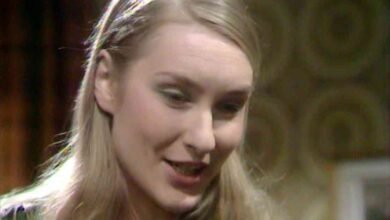
The story of Mary Riggans is deeply woven into the fabric of Scottish television, radio, and theatre. For decades, she was a familiar and comforting presence in British homes, admired for her warmth, authenticity, and extraordinary versatility. From children’s programmes that shaped early memories to long-running Scottish dramas watched by entire families, Mary Riggans built a career rooted in dedication, talent, and quiet excellence.
Her work did not rely on glamour or excess. Instead, she became known for portraying believable, grounded characters that felt like real people rather than performances. This ability made her one of Scotland’s most respected character actresses, earning admiration across generations of viewers. Her journey from childhood radio work to becoming a household name is a testament to commitment, resilience, and passion for storytelling.
Early Life and Background
Mary Riggans was born in Scotland in July 1935, growing up in an environment that would later influence her grounded and relatable performances. From an early age, she showed an interest in storytelling and performance, qualities that would soon place her behind a microphone rather than on a traditional path.
Unlike many performers who begin their careers later in life, Mary entered the entertainment world as a child. Her early exposure to radio acting gave her a strong foundation in voice control, timing, and emotional expression. Radio acting, especially in the mid-twentieth century, demanded clarity and sincerity, as performers had only their voices to convey entire worlds. This training would later shape her naturalistic acting style.
Her upbringing in Scotland also played a vital role in shaping her identity as an actress. Rather than adopting a generic performance style, she embraced her Scottish roots, accents, and mannerisms. This authenticity became one of her greatest strengths and helped her connect deeply with local audiences.
A Remarkable Start in Radio
Mary Riggans began her professional career in radio at a remarkably young age. As a child performer, she worked on radio productions that required discipline and emotional maturity well beyond her years. Radio acting in that era was highly competitive, and only those with true ability could sustain a long-term presence.
Through radio, she learned the art of subtlety. Without visual cues, she mastered how to express humour, sadness, tension, and warmth using tone alone. This experience would later translate seamlessly into her television and stage performances.
Her success in radio was not fleeting. She remained involved in radio work throughout her life, earning industry recognition and respect. These achievements established her reputation as a serious performer rather than a novelty child actor, allowing her to transition smoothly into adult roles.
Transition to Theatre and Television
As television became more prominent in British households, Mary Riggans successfully expanded her career into visual media. Theatre also played a crucial role in her development, sharpening her skills in live performance and deepening her understanding of character work.
On stage, she demonstrated discipline and emotional range, qualities that directors and audiences alike admired. Theatre work strengthened her ability to hold attention, project emotion, and adapt to different genres, from drama to light comedy.
Her transition to television felt natural rather than forced. She brought the same sincerity from radio and theatre into her screen roles, making her performances feel effortless. Viewers did not see an actress “acting”; they saw a believable person living within the story.
Defining Success in Scottish Television Drama
One of the most significant chapters of Mary Riggans’ career was her involvement in long-running Scottish television dramas. These shows often reflected everyday life, rural communities, and social change, themes that suited her grounded performance style perfectly.
Her characters were often strong, practical, and emotionally complex. She portrayed women who felt real: resilient, caring, flawed, and deeply human. This realism helped her build a loyal following, particularly among Scottish audiences who recognised their own families and communities in her performances.
Her long-term commitment to television drama demonstrated not only her talent but also her reliability and professionalism. Producers and writers trusted her to bring depth and consistency to ongoing storylines, a responsibility she handled with grace.
Becoming a Household Name Through Family Television
While Mary Riggans was already respected within the industry, her work in family and children’s television brought her recognition to an even wider audience. These roles introduced her to a new generation of viewers, many of whom remember her as a comforting and friendly figure from their childhood.
Children’s television demands a unique balance of warmth, clarity, and sincerity. Mary excelled in this space, never speaking down to her audience or exaggerating her performances. Instead, she treated young viewers with respect, creating characters that felt safe, kind, and genuine.
Parents trusted her presence on screen, and children felt an immediate connection to her characters. This rare ability to appeal across age groups strengthened her reputation and ensured her place in British television history.
Comedy, Character Work, and Versatility
Although often associated with drama and family programming, Mary Riggans also demonstrated a strong talent for comedy. Her comedic performances were subtle rather than loud, relying on timing, expression, and character rather than exaggerated humour.
She often played supporting roles that elevated entire productions. These characters, while not always central to the plot, added texture and realism. Many viewers remember her performances not because they were flashy, but because they felt authentic and memorable.
Her versatility allowed her to move comfortably between genres, from heartfelt drama to gentle comedy. This adaptability kept her career active for decades and prevented her from being typecast.
Film Appearances and Later Career
In addition to television and theatre, Mary Riggans also appeared in film projects, where she continued to showcase her understated strength as an actress. Even in smaller film roles, she brought depth and emotional truth, proving that screen time was less important than performance quality.
As she entered the later stages of her career, she remained active and respected. Rather than fading quietly, she continued working in roles that suited her experience and maturity. This longevity is a reflection of both her professionalism and the high regard in which she was held by the industry.
Her later work carried a sense of wisdom and emotional resonance, offering audiences performances enriched by life experience.
Personal Life and Character
Despite her public career, Mary Riggans maintained a relatively private personal life. She was known among colleagues as kind, professional, and deeply committed to her craft. There was no sense of ego or self-promotion surrounding her work; instead, she focused on doing her job well.
Those who worked with her often spoke of her generosity on set and her willingness to support younger actors. She understood the challenges of the industry and offered guidance without condescension.
Her humility contributed greatly to her lasting reputation. She was admired not only for her talent but also for her character.
Health Challenges and Final Years
In her later years, Mary Riggans faced significant health challenges that affected her ability to perform. These difficulties marked a quiet end to a long and active career, but they did not diminish her achievements or the affection audiences held for her.
She passed away in December 2013, leaving behind a body of work that continues to be appreciated through repeats, archives, and memories shared by viewers. Her death was widely mourned within the Scottish arts community, reflecting the impact she had made over decades.
Cultural Impact and Enduring Legacy
Mary Riggans’ legacy lies not in awards or international fame, but in something arguably more meaningful: trust. Audiences trusted her performances, believed her characters, and welcomed her into their homes year after year.
She helped shape Scottish television identity, contributing to programmes that reflected real lives rather than idealised versions of them. Her work preserved regional voices and stories at a time when such representation mattered greatly.
For aspiring actors, her career stands as an example of longevity built on skill, humility, and consistency rather than spectacle.
Conclusion
Mary Riggans remains a cherished figure in British and Scottish entertainment history. Through decades of dedicated work across radio, theatre, television, and film, she demonstrated the power of sincerity, restraint, and emotional truth in performance. Her characters felt real because she treated them as real people, and audiences responded with loyalty and affection.
In an industry often driven by trends and visibility, Mary Riggans proved that lasting impact comes from authenticity and commitment. Her work continues to resonate, reminding viewers of a time when storytelling was rooted in character, community, and heart.