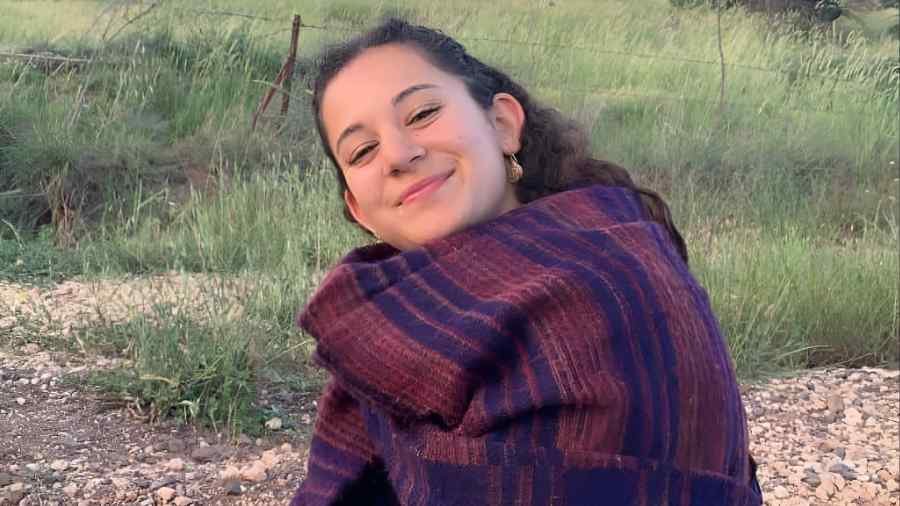
Maya Regev is a name that came to global attention following one of the most devastating events in recent Middle Eastern history. Her story is not that of a politician, celebrity, or public figure by profession, but of an ordinary young woman whose life was abruptly and violently altered. Maya Regev’s experience reflects the reality faced by many civilians caught in conflict, and her journey from trauma to recovery has resonated deeply across communities worldwide.
Early Life and Background
Maya Regev grew up in Israel in a supportive family environment, surrounded by the everyday experiences typical of many young people her age. Friends and family have described her as lively, optimistic, and deeply connected to those around her. Before the events that changed her life, Maya was focused on her future, her social circle, and enjoying the freedoms of young adulthood.
Like many young Israelis, Maya participated in cultural and social events that celebrated music, friendship, and self-expression. Music festivals in particular represented freedom, unity, and joy. These gatherings were not political or ideological spaces for her, but places to relax and connect with others through shared experiences.
Her upbringing instilled resilience and a strong sense of family, values that would later play a critical role in her survival and recovery.
The Day That Changed Everything
Maya Regev’s name became known internationally after the attack that occurred on 7 October 2023 during a large outdoor music festival in southern Israel. What was intended to be a celebration of music and community turned into a scene of chaos, violence, and fear.
During the attack, Maya and her younger brother were injured while attempting to escape. In the midst of confusion and terror, they were taken captive. The sudden shift from freedom to captivity was traumatic beyond comprehension. In a matter of moments, Maya’s life was transformed from one of youthful possibility to survival under extreme conditions.
This event did not only affect Maya and her family but sent shockwaves across the world, raising urgent humanitarian concerns and drawing attention to the plight of civilians caught in armed conflict.
Life in Captivity
While much about Maya Regev’s time in captivity remains private, what has been shared paints a picture of intense physical and emotional hardship. She sustained serious injuries, particularly to her leg, and was denied immediate and adequate medical treatment during captivity.
Captivity stripped away autonomy, certainty, and safety. Days were marked by fear, pain, and the psychological weight of not knowing what the future held. Despite these conditions, Maya demonstrated remarkable mental strength. The bond with her brother provided emotional support, reinforcing the importance of human connection even in the darkest circumstances.
Her experience highlights the profound psychological impact of captivity, especially on young people who are still shaping their identity and future. Survival required not only physical endurance but mental resilience and hope.
Release and Return Home
Maya Regev was released during a temporary ceasefire agreement, an event that was met with immense relief by her family and supporters. Her return marked the end of captivity but the beginning of a long journey of recovery.
Upon her release, Maya required immediate medical attention. Her injuries demanded ongoing treatment, rehabilitation, and careful monitoring. Recovery was not limited to physical healing; emotional and psychological recovery were equally significant challenges.
Reuniting with family was deeply emotional, underscoring the enduring strength of familial bonds. For many, her return symbolised hope amid tragedy, reminding the world that even in conflict, lives can be saved and futures restored.
The Road to Physical Recovery
Maya Regev’s physical recovery has been gradual and demanding. Injuries sustained during the attack and captivity required surgeries, physiotherapy, and long-term care. Rehabilitation is not a linear process, and setbacks are common.
Despite these challenges, Maya has approached recovery with determination. Medical professionals involved in her care have highlighted her positive mindset and commitment to regaining independence. Each step forward, no matter how small, represents a significant victory.
Her journey sheds light on the lasting physical consequences of violence and the importance of accessible medical care for survivors of trauma.
Emotional and Psychological Healing
Beyond physical wounds, Maya Regev has faced the invisible scars of trauma. Survivors of violence often experience anxiety, fear, sleep disturbances, and emotional numbness. Healing from such experiences requires time, professional support, and a safe environment.
Maya’s story has helped raise awareness about mental health challenges faced by survivors of conflict. By speaking about her experience, she has contributed to breaking the stigma around trauma and psychological recovery.
Her courage in addressing emotional pain openly serves as an example of strength, showing that seeking help is not a weakness but a vital step toward healing.
Public Voice and Advocacy
Following her release, Maya Regev became an unexpected public figure. While she did not seek attention, her story carried weight and urgency. She has participated in public events and discussions focused on humanitarian issues, particularly the fate of civilians affected by conflict.
Maya’s voice represents those who cannot speak for themselves. Her testimony has emphasised the human cost of violence and the urgent need for compassion, dialogue, and protection for civilians.
Through her advocacy, she has helped personalise a crisis often discussed only in numbers and headlines, reminding the world that behind every statistic is a human life.
Global Impact of Her Story
Maya Regev’s experience resonated far beyond her home country. International media coverage and public response reflected a shared sense of empathy and concern. Her story contributed to global conversations about civilian safety, hostage situations, and humanitarian responsibility.
For many, Maya became a symbol of resilience. Her survival and determination offered hope during a period marked by grief and uncertainty. Her experience encouraged discussions about international law, human rights, and the moral obligations of the global community during conflict.
A Symbol of Youth Interrupted
One of the most poignant aspects of Maya Regev’s story is the interruption of youth. Her experience represents a generation whose lives have been shaped by instability and violence through no choice of their own.
Yet, her response to adversity reflects the potential for growth even after trauma. Maya’s journey illustrates how young people can reclaim agency, purpose, and hope despite unimaginable circumstances.
Her story is not solely about suffering but about rebuilding, redefining identity, and moving forward while honouring the past.
Lessons from Maya Regev’s Experience
Maya Regev’s journey offers several important lessons. First, it highlights the vulnerability of civilians in conflict zones and the urgent need for their protection. Second, it underscores the long-term consequences of violence, extending far beyond the moment it occurs.
Her experience also demonstrates the power of resilience, community support, and compassionate care. Recovery is possible, even when the path is long and difficult.
Finally, Maya’s story reminds us of the importance of listening to survivors. Their voices provide insight, truth, and guidance for preventing future suffering.
Conclusion
Maya Regev’s story is one of survival, courage, and humanity in the face of profound adversity. From an ordinary young woman enjoying life to a survivor of extreme trauma, her journey reflects both the fragility and strength of the human spirit. While her life was irrevocably changed, she has chosen resilience over despair and hope over silence. Maya Regev stands as a powerful reminder that even amid conflict and suffering, the capacity for healing, growth, and compassion endures.